
Vandaag of morgen in huis

Kwaliteit gegarandeerd

Welkomstaanbiedingen ontgrendelen: GRATIS bezorging | Tot 80% korting | Gratis 30 dagen JoyPlus-proefperiode
Download de app
Buying cola seems simple until you have to choose between regular cola, Coca-Cola Zero Sugar, Pepsi Zero Sugar, a flavoured variety or caffeine-free cola. The packaging format also makes a difference. A tray of cola cans is practical for a party or office, while bottles may be more convenient when several people are drinking from the same pack.
However, if you focus only on the brand name or a cola offer, it is easy to make the wrong choice. Pay particular attention to the contents, ingredients, caffeine and shelf life.
According to the product information provided, Coca-Cola Zero Sugar and Pepsi Zero Sugar contain 0 grams of sugar per 100 ml. This does not mean they have the same ingredients or taste as regular cola. These varieties use sweeteners such as aspartame, acesulfame K or other sweeteners.
When checking sugar-free cola, always look at:
The exact composition may vary by product and market. Therefore, also read the label on the packaging.
Many regular colas and zero-sugar varieties contain caffeine. According to the product descriptions, this applies to Coca-Cola Original Taste, Coca-Cola Zero Sugar and Pepsi Zero Sugar, for example. If you are specifically looking for caffeine-free cola, check that “caffeine free” or “cafeïnevrij” is explicitly stated on the product.
A product labelled “zero sugar” is therefore not automatically caffeine-free. Coca-Cola Zero Sugar Caffeine Free is a separate variety supplied in a pack of 24 x 330 ml cans.
A tray of 24 x 330 ml cola cans is useful for an office, event or stock cupboard. For home use, a multipack may be less practical if you have limited space or do not drink cola quickly. An opened bottle also gradually loses its fizz, whereas a can is intended for a single serving.
So do not compare only the total price. Also consider:
Regular cola generally contains sugar. The product information for Coca-Cola Original Taste states 10.6 grams of sugar per 100 ml and 42 kcal per 100 ml. According to the details provided, Coca-Cola Vanilla contains 10.6 grams of sugar and 43 kcal per 100 ml.
Coca-Cola Zero Sugar and Pepsi Zero Sugar are listed as containing 0 grams of sugar per 100 ml. However, these products do contain sweeteners. “Sugar-free” therefore describes the nutritional value; it does not guarantee that the drink contains no sweeteners.
The most common formats available are:
Pay extra attention to the product language, nutritional information and packaging when buying imported products. The actual packaging may differ from the information shown on a webpage. Always check the label before consumption.
As well as buying Coca-Cola or Pepsi, you can choose varieties with flavours such as vanilla, cherry, strawberry or peach. These drinks are not always directly comparable with classic cola. A flavoured variety may contain more ingredients and have different nutritional values.
Examples in the range include Coca-Cola Vanilla, Coca-Cola Cherry, Pepsi Zero Strawberry & Cream and Pepsi Zero Sugar Peach. These products are particularly suited to consumers looking for a different flavour rather than a standard cola experience.
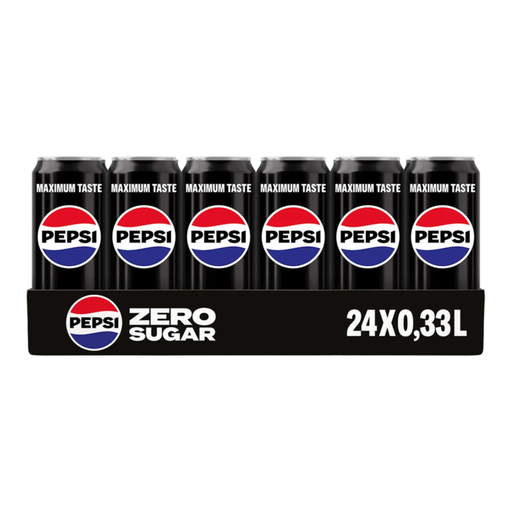
Why it suits this profile: A tray of 24 x 330 ml cans provides a manageable quantity for home, visitors or a small party. According to the product information, this variety contains 0 grams of sugar per 100 ml.
The packaging clearly states the number of cans and their volume. This lets you compare quantities without relying solely on a temporary cola offer.
24 x 330 ml; 0 grams of sugar per 100 ml according to the product details; suitable for serving chilled.

Why it suits this profile: According to the product description, this variety combines a familiar cola flavour with 330 ml cans, without sugar or caffeine.
The “Caffeine Free” label prevents you from choosing a sugar-free cola that still contains caffeine. Check the ingredients list on the packaging before use.
24 x 330 ml; 0 grams of sugar per 100 ml; caffeine-free according to the product information.
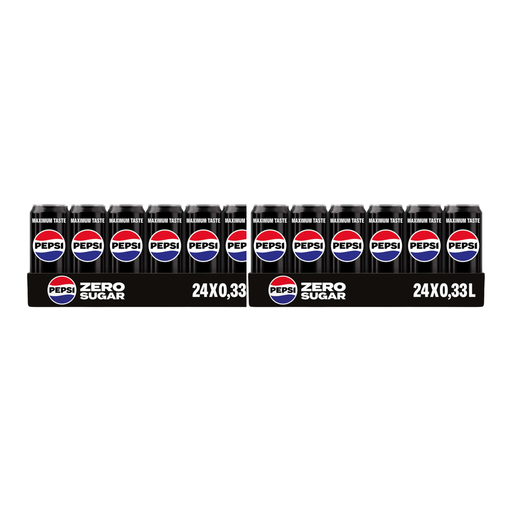
Why it suits this profile: The double pack is aimed at larger households, offices, hospitality businesses or organisers who regularly need cans.
The contents consist of two trays of 24 x 330 ml. This makes the total stock clear from the outset, so you do not need to combine several separate packs.
48 x 330 ml cans in total; 0 grams of sugar per 100 ml according to the product information; suitable for serving chilled.
We have put together a complete, up-to-date list of products that fully meet these strict selection criteria and the applicable European safety regulations.
For a party, office or hospitality venue, 330 ml cola cans are often easy to hand out. There is no need to prepare glasses or cups, and each can contains a fixed amount. For drinking on the go, 500 ml PET bottles are more practical thanks to their resealable cap.
A regular variety such as Coca-Cola Original Taste or Pepsi Cola Regular is suitable for consumers looking for sugar-sweetened cola. If you want to avoid sugar, you can compare Coca-Cola Zero Sugar and Pepsi Zero Sugar. For a different flavour profile, Coca-Cola Cherry, Coca-Cola Vanilla or Pepsi with peach or strawberry flavour could be suitable options.
Store cola according to the instructions on the packaging, generally in a cool, dry place away from direct sunlight. When ordering online, always check the contents per pack, the ingredients and the best-before information.
No. Sugar-free cola contains no sugar according to the label, but it may still contain caffeine. Therefore, check separately for “zero sugar” and “caffeine free”. Coca-Cola Zero Sugar Caffeine Free includes both features in its product name.
That depends on the price, packaging and offer. Compare both the total price and the price per litre. Cans are individually packaged and reduce waste after opening; bottles can be convenient when several people are drinking at the same time.
An unopened pack can be stored until the best-before information shown on the label. After opening, the amount of carbonation gradually decreases. Keep an opened bottle chilled and follow the instructions on the packaging. A can is generally intended to be served immediately after opening.
