
Vandaag of morgen in huis

Kwaliteit gegarandeerd

Welkomstaanbiedingen ontgrendelen: GRATIS bezorging | Tot 80% korting | Gratis 30 dagen JoyPlus-proefperiode
Download de app
Ordering cola soft drinks online might seem straightforward, until you have to choose between regular cola, cola zero sugar, cans, bottles, multipacks and imported flavours. A low price per pack doesn't always reflect the price per litre. Product names can also be confusing: "zero sugar" doesn't automatically mean caffeine-free, and a special flavour variant may have a different composition to the regular version.
With this practical guide, you can focus on the points that make the biggest difference when buying cola in the UK.
A box of 24 cola cans often looks like good value, but first check the volume per can. A tray of 24 x 330 ml contains 7.92 litres. A pack of 12 bottles of 500 ml contains 6 litres. So always compare the price per litre, not just the price of the box.
According to the product information, cola zero sugar contains no sugar, but it can still contain caffeine. Coca-Cola Zero Sugar Soda, for example, contains natural flavourings and caffeine. The variant Coca-Cola Zero Sugar Caffeine Free is specifically labelled as being without sugar and without caffeine. So always check both characteristics on the label.
Products containing aspartame may also carry the warning "contains a source of phenylalanine". This is stated on various zero sugar products, for instance. Read the packaging before use, especially if you need to be mindful of specific ingredients.
Vanilla cola, cherry cola, peach cola and cream soda sound clear enough, but the flavour is determined by the combination of flavourings, sweeteners or sugar, and acids. With imported cola, such as Japanese cola or Mexican cola, the packaging may also show different information to the Dutch product page. So always check the current packaging, contents, origin and best-before date.
With regular cola, sugar is often a key component of the recipe. Coca-Cola Regular, for example, states 10.6 grams of sugar per 100 ml and 42 kcal per 100 ml. According to the product information, First Choice Cola Regular contains carbonated water, sugar, colour E150d, phosphoric acid, caffeine and natural flavourings.
Cola zero sugar usually states 0 grams of sugar per 100 ml. That doesn't mean the drink is free from sweeteners. According to the ingredients list, Coca-Cola Zero Sugar Caffeine Free uses aspartame and acesulfame-K, among others. Also check the caffeine declaration: some zero sugar variants contain caffeine, others do not.
Store unopened cola according to the product information in a cool, dry place away from direct sunlight. Once opened, a bottle should be kept refrigerated and used within the stated period.
If you're after a familiar taste, you can choose Coca-Cola, Pepsi or a standard own-brand variant. For a different flavour, there are options such as vanilla cola, cherry cola, peach cola and Pepsi Cream Soda. Mexican cola made with cane sugar or Japanese cola in a distinctive bottle can be interesting if you're looking for an international drinking experience.
When buying imported cola, pay attention to:
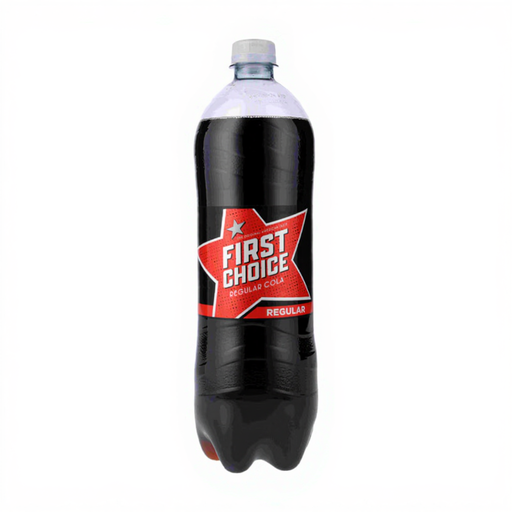
Why this fits the profile: The 1-litre bottle is straightforward for home use, sharing or mixers. The product information states a regular cola with sugar and caffeine.
The contents are clearly stated, so you won't confuse a 1-litre bottle with an individual size or multipack.
1 litre content; suitable for drinking chilled or using as a mixer; ingredients and storage advice are provided.
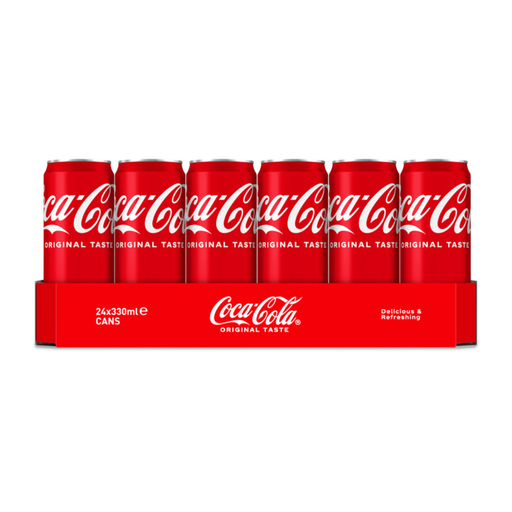
Why this fits the profile: This pack offers 24 portions of 330 ml with the regular Coca-Cola recipe. That suits anyone who values a recognisable brand and consistent portions.
The size per can is clear, so you can calculate the number of portions and the total content of 7.92 litres in advance.
24 cans of 330 ml; 42 kcal and 10.6 grams of sugar per 100 ml according to the product information; practical for serving.

Why this fits the profile: The combination of 24 cans, 0 grams of sugar per 100 ml and no caffeine according to the product description matches specific preferences for a bulk pack.
The product name makes both "zero sugar" and "caffeine free" visible. Nevertheless, always check the packaging before consumption.
24 x 330 ml; 0 grams of sugar per 100 ml; caffeine-free according to the product information; contains a source of phenylalanine.
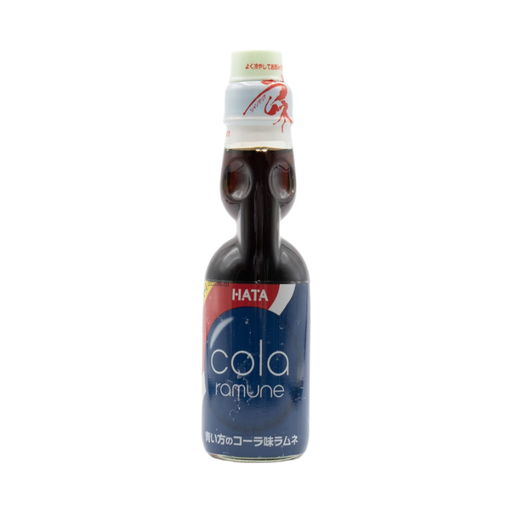
Why this fits the profile: This Japanese cola variant has a content of 200 ml, a blue colour and a distinctive presentation for parties or as an unusual mixer.
The small content is clearly indicated. This means you know it's primarily a single-portion or tasting product, not a large bulk bottle.
200 ml content; cola flavour; brand origin Japan; suitable for serving chilled according to the product information.
We've put together a full, up-to-date list of products that fully meet these strict selection criteria and comply with current European safety regulations.
That depends on the total content and price. Divide the price by the number of litres. Cans are practical for single portions and parties, whereas bottles are often handy when several people are drinking cola or when you're using the drink as a mixer.
Some variants do and some don't. According to the listed ingredients, Pepsi Zero Sugar and Coca-Cola Zero Sugar contain caffeine. Coca-Cola Zero Sugar Caffeine Free is specifically labelled as caffeine-free. Always check the ingredients list and product packaging.
Store an opened bottle in the fridge, close the cap tightly and consume the drink within the period stated on the packaging. Unopened cola should be stored in a cool, dry place away from direct sunlight. With glass bottles and imported cola, it's especially important to check the delivery packaging and seal upon receipt.
