
Vandaag of morgen in huis

Kwaliteit gegarandeerd

Welkomstaanbiedingen ontgrendelen: GRATIS bezorging | Tot 80% korting | Gratis 30 dagen JoyPlus-proefperiode
Download de app
Buying cola might seem straightforward, but the range varies considerably in taste, sugar content, caffeine, packaging and volume. A single bottle can be handy for immediate use, whereas a cola multipack of 24 cans is better suited to a party, office or catering business. If you only look at the brand or the offer, you could end up paying for more drink than you need, or choose a variant that doesn't suit the occasion.
In this guide, we've set out the key points to consider. That way, you can compare cola soft drinks, from original cola to sugar-free cola, flavoured varieties and international products.
A product labelled cola zero or sugar-free cola contains no sugar according to the product information, but it may still contain caffeine. Always check the ingredients list. Some variants list caffeine or a caffeine-containing flavouring.
There are also combinations such as Coca-Cola Zero Sugar Caffeine Free. According to the product description, this variant is both sugar-free and caffeine-free. That makes the difference from a standard Coca-Cola Zero Sugar clear: don't just look at the front of the can.
A pack labelled "24" doesn't automatically mean all cans have the same volume. Many standard packs contain 24 x 330 ml, but international variants may contain 350 ml, 355 ml or 370 ml per pack. A bottle is more suitable for sharing, whereas a can is often convenient for a single serving.
So compare:
Words like "original", "authentic" or "unique" don't always tell you enough about the actual drink. Instead, focus on verifiable details: ingredients, nutritional values, country of origin, packaging and serving suggestions. With imported products, labels and recipes can also differ from what you're used to in British shops.
A regular cola typically contains sugar. For example, Coca-Cola Original Taste lists 10.6 g sugar and 42 kcal per 100 ml. Coca-Cola Vanilla lists 10.6 g sugar and 43 kcal per 100 ml. Coca-Cola Cherry comes in at 11.4 g sugar and 46 kcal per 100 ml.
With cola zero, the product information supplied usually states 0 g sugar per 100 ml. That doesn't mean the taste or ingredients are the same as regular cola. Different sugar-free variants contain sweeteners such as aspartame, acesulfame-K, sucralose or E950. Products with aspartame contain a source of phenylalanine; always check the current label.
Caffeine isn't always clearly shown on the product page for every cola. If "caffeine" or "caffeine flavouring" appears in the ingredients, the drink contains caffeine according to the product information. Fritz Kola, for example, lists 25 mg caffeine per 100 ml. The Coca-Cola Zero Sugar Caffeine Free variant is described as caffeine-free.
If you're buying cola mainly for evenings, the office or for children, it's worth checking this point in advance. A caffeine-free option prevents you from relying solely on the term "zero".
Cola cans of 330 ml are practical for a party, lunch, vending or a store cupboard. An opened can doesn't need to be resealed, but is intended for drinking straight away. PET bottles of 500 ml are resealable and better suited to drinking on the go or sharing over a longer period.
For a large group, cola 24 x 330 ml is easy to divide up. For home use, a 12-pack of bottles or a 1-litre bottle can be more efficient. With glass bottles, pay extra attention to storage and weight during delivery.
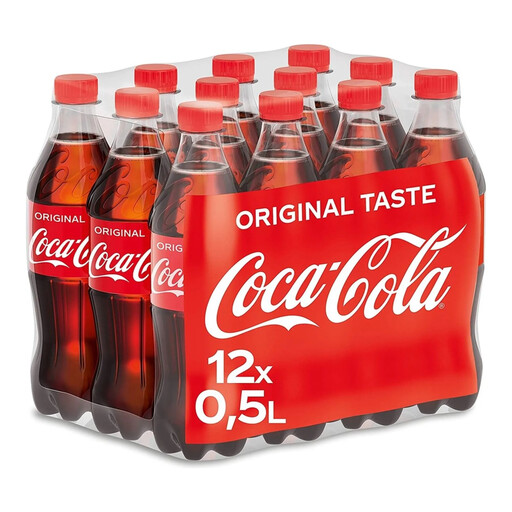
Why this fits the profile: The resealable 500 ml bottles are practical for home, on the go or a small group. The product information lists the familiar regular cola taste with sugar and caffeine.
The format makes the total volume clear and prevents you from buying a large multipack of cans for limited use.
12 resealable PET bottles of 500 ml; suitable for chilled serving and storage in smaller quantities.
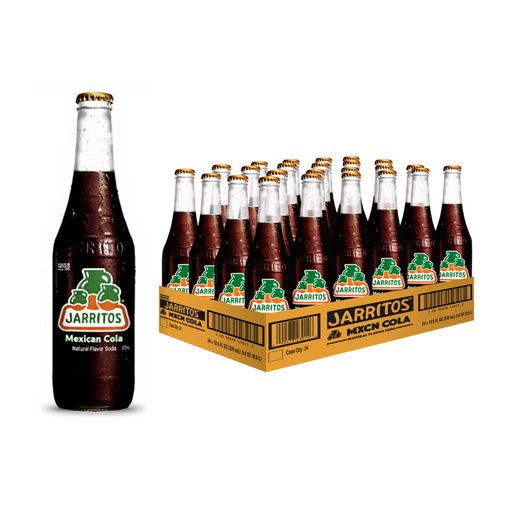
Why this fits the profile: This international cola comes in glass bottles of 370 ml. According to the product description, the drink contains cane sugar and is intended to be served chilled or used as a mixer.
The product format and volume per bottle are clear upfront. This allows you to consciously choose glass packaging rather than just focusing on the brand.
24 glass bottles of 370 ml; cane sugar listed in the ingredients; suitable for chilled serving.

Why this fits the profile: For offices, families or events where you want to offer a sugar-free and caffeine-free cola. The pack contains 24 cans of 330 ml.
The product name makes both "zero sugar" and "caffeine free" visible. That helps when comparing with standard cola zero variants that may still contain caffeine.
24 cans of 330 ml; according to the product information 0 g sugar and 0.3 kcal per 100 ml; caffeine-free according to the product description.
We've put together a full, up-to-date list of products that fully meet these strict selection criteria and comply with current European safety regulations.
If you want to buy Coca-Cola or buy Pepsi, you can choose from regular and sugar-free variants. Pepsi Zero Sugar is available as 24 x 330 ml and Pepsi Regular as a multipack of cans. For a different flavour, Coca-Cola Vanilla and Coca-Cola Cherry are options with vanilla and cherry taste respectively.
Fans of international cola can also look at Pepsi Peach from South Korea, HATA Cola Ramune from Japan or Cola Turka in a 1.5-litre bottle. With these products, check the volume, ingredients, language on the label and any allergen information extra carefully.
That depends on the price per litre and how you'll use it. A cola 24 x 330 ml pack is handy for individual servings and stock management. A PET bottle can be better value per litre and is resealable. Always compare the total volume, not just the price of the pack.
According to the product information, an opened bottle should be stored chilled and tightly sealed. The fizz and taste will diminish over time. A can is usually intended to be drunk straight after opening. The exact date and storage instructions are on the packaging.
Check that the product actually states 0 g sugar, and also look at the sweeteners used. Also check for caffeine: cola zero is not automatically caffeine-free. A product containing aspartame will usually carry a warning about a source of phenylalanine. The packaging remains the best source for the most up-to-date information.
