
Vandaag of morgen in huis

Kwaliteit gegarandeerd

Welkomstaanbiedingen ontgrendelen: GRATIS bezorging | Tot 80% korting | Gratis 30 dagen JoyPlus-proefperiode
Download de app
When you want to buy coffee online, you’ll quickly come across dozens of varieties: instant coffee, filter coffee, cappuccino, coffee sticks and Arabica coffee in convenient drip coffee bags. The differences aren’t limited to the brand or packaging. The preparation method, serving size, ingredients and storage conditions also determine whether a purchase suits your daily routine.
An attractive package or the word “premium” doesn’t tell you much on its own. So check the practical details first. This will help you avoid paying too much for coffee that doesn’t suit your taste, equipment or occasion.
Cappuccino sticks and other speciality coffees often contain milk powder, creamer, sugar or sweeteners. This makes them easy to prepare, but they taste different from black instant coffee or ground coffee. So check the ingredients list and nutritional values per serving.
Some varieties list milk or lactose. This is important if you want to avoid allergens. A product labelled as containing none of the 14 major EU allergens is not the same as a cappuccino containing milk powder.
A box containing 20 coffee sticks may seem good value, but also check the weight per serving. A 1.8-gram stick has a different composition and is intended for a different-sized cup than a 22- or 27.5-gram sachet. Also check the recommended amount of water. This can vary, for example, from 150 to 180 ml.
So compare the price per serving as well as the amount of coffee in each sachet. This gives you a fairer picture than looking at the pack price alone.
Arabica coffee can be an appealing choice for fans of filter or drip coffee, but the bean alone doesn’t determine the complete flavour profile. Origin, roasting, grind, freshness and preparation all play a part too. According to the product descriptions, the Luckin and RiXing drip varieties contain 100% Arabica coffee beans. This is a verifiable product specification, but it doesn’t guarantee a flavour that everyone will love.
First, choose the format that fits your day:
Buying a bag of ground coffee without a filter device won’t get you very far. Conversely, drip coffee is less suitable if you want to brew several large pots every day.
The serving size affects both strength and convenience. The product information gives the following examples:
Follow the preparation instructions on the packaging. For drip coffee, water at approximately 90–95 °C is often recommended. For cappuccino and other sticks, the guideline is usually around 150 ml of water. Too much water makes the drink thinner; too little can make the flavour overpowering.
Black instant coffee often consists of instant coffee without milk or creamer. Cappuccino and coffee with milk are different. Always check the label, especially for milk, lactose, soya, gluten and possible traces.
If you want to avoid caffeine, look specifically for decaffeinated coffee or decaf. According to the product description, Nescafé Gold Cappuccino Unsweetened Decafe is described as decaffeinated instant coffee with skimmed milk powder. The same information lists lactose and milk as allergens. Check the current packaging before ordering, as product compositions may change.
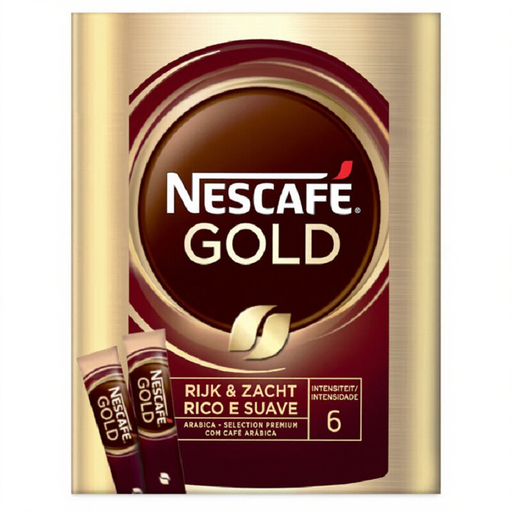
Why it suits this profile: This instant coffee is individually portioned and only requires hot water. That makes it easy to measure at home or in the office.
The number of servings and the weight per stick are clearly stated. The product description’s ingredients list does not mention milk powder or creamer.
25 individual servings; according to the product information, with Arabica coffee added.
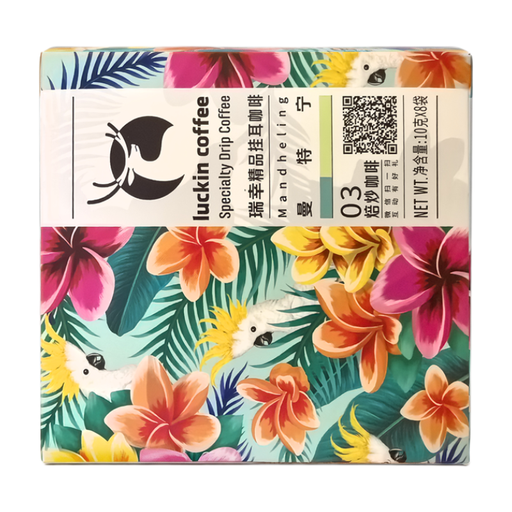
Why it suits this profile: An individual drip coffee serving offers a more immersive brewing experience than ordinary instant coffee, without the need for a separate machine.
The packaging states that it contains 100% Arabica beans, with 8 sachets of 10 grams, and should be prepared using water at approximately 90–95 °C.
Individual servings; no ground coffee or filter holder required.
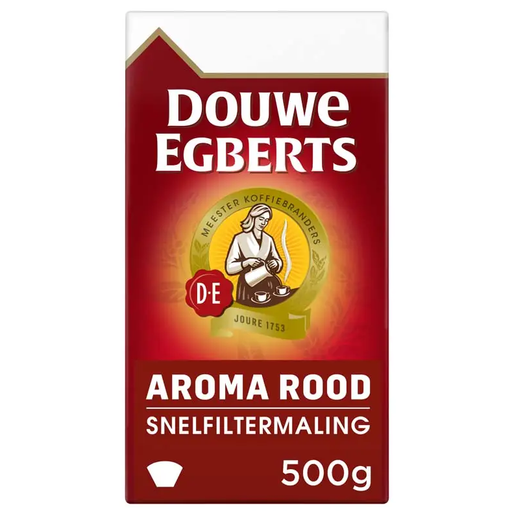
Why it suits this profile: The 500-gram bag is ideal for households or offices where filter coffee is brewed regularly.
The product information lists the suitable brewing methods: filter machine, French press, AeroPress, percolator and Chemex.
Ground coffee; medium roast; flavour intensity 05 on a scale of 01–09 according to the product description.
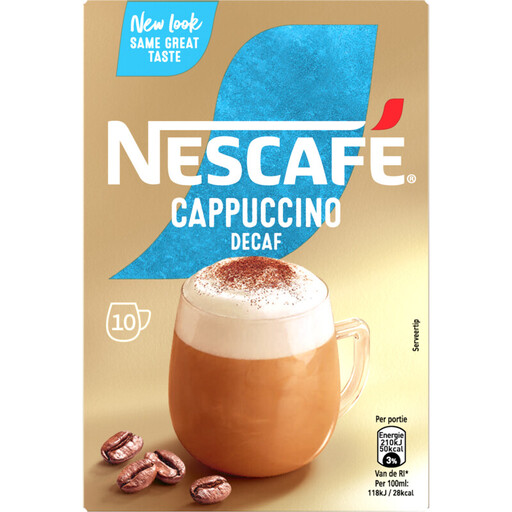
Why it suits this profile: These sticks combine cappuccino preparation with a decaffeinated formula and are intended for one cup of approximately 180 ml.
The packaging states that there are 10 servings, that 150 ml of water is required, and that the product contains milk and lactose. This allows you to make a choice that suits your needs.
Decaffeinated instant coffee; milk foam according to the product description; no coffee machine required.
We’ve compiled a complete, up-to-date list of products that fully meet these strict selection criteria and the applicable European safety regulations.
Instant coffee and coffee sticks are practical when you don’t have access to a coffee machine. Individual sticks reduce waste and are easy to store. For a more intense coffee experience without a machine, consider drip coffee; you’ll need a cup, hot water and a few minutes.
Always check the best-before date and store coffee according to the label. The product information for several of the varieties mentioned states that they should be stored in a cool, dry place away from direct sunlight. Seal opened packaging securely and don’t use damaged packs. Individual sachets retain their portion packaging until they are opened.
That depends on how much you drink and how you prepare it. Ground coffee in a 500-gram pack can be practical for everyday use with a filter machine. Sticks and sachets may cost more per cup, but they offer fixed portions, less cleaning and greater convenience when you’re out and about. Compare the price per serving, the weight and the amount of water you use for each cup.
