
Vandaag of morgen in huis

Kwaliteit gegarandeerd

Welkomstaanbiedingen ontgrendelen: GRATIS bezorging | Tot 80% korting | Gratis 30 dagen JoyPlus-proefperiode
Download de app
Buying coffee online gives you access to much more than ground coffee and coffee pods. You’ll find iced coffee, instant coffee, 3-in-1 coffee, canned coffee and international varieties such as Vietnamese and Korean coffee. That wide choice is useful, but it can also make comparing products more difficult.
As a Joybuy Product Recommendation Officer, I filter product information based on practical considerations. Pay particular attention to these three common pitfalls:
Don’t just look at the front of the packaging. Ingredients are generally listed in descending order by quantity. If sugar appears near the top, it makes up a significant proportion of the mix. For example, the product information for NESCAFÉ 3-in-1 lists 53% sugar and 7.6% instant coffee per recipe. Trung Nguyen G7 3-in-1 combines coffee, creamer and sugar in 16-gram sachets.
That may be exactly what you want if you prefer sweeter coffee on the go. If you’d rather add your own milk and sugar, choose pure instant coffee or black coffee instead. According to the product information, g'woon Instant Red Coffee is offered as 100% instant coffee, with no added sugar or milk powder. Always check the current label on imported products, as the ingredients and packaging may vary.
Also look out for allergens. Milk is often found in creamer and ready-to-drink milk beverages. European regulations require the 14 main allergens to be clearly listed when present. If you’re unsure about milk, soya, fish or gluten, the ingredients list takes precedence.
Caffeine isn’t always listed in the same way. Sometimes the amount is given per 100 ml on the label, and sometimes per can or prepared serving. So calculate the amount based on how much you actually drink.
Here are a few examples from the product information:
If you’re sensitive to caffeine, don’t choose based on flavour alone. Consider the total volume and any warnings on the packaging. For some products with a higher caffeine content, the packaging states that they are not recommended for children, pregnant women or people who are sensitive to caffeine.
A can or carton is suitable for coffee on the go, but storage instructions vary. Unopened ready-to-drink coffee can often be stored in a cool, dry place. Once opened, a milk drink will usually need to be refrigerated and consumed within the stated period.
Check the following before ordering:
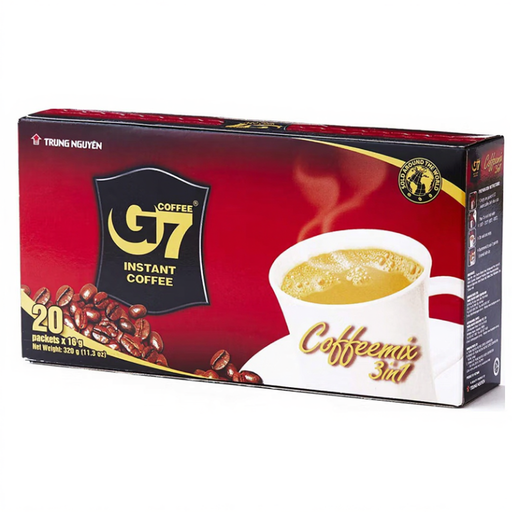
Why it suits this profile: Twenty individual sachets make portioning easy. You only need hot water, making this Vietnamese coffee suitable for home, the office and on the go.
The portions and preparation instructions are clear. However, bear in mind that sugar and creamer have already been added.
20 sachets of 16 grams; ready in seconds with hot water; vegetarian according to the product information.
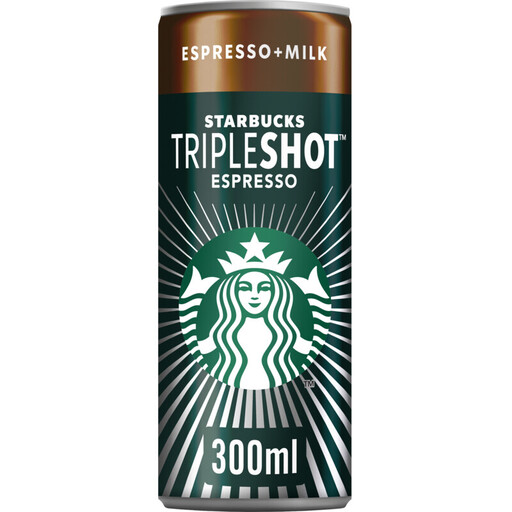
Why it suits this profile: This ready-to-drink coffee combines milk with Arabica coffee and can be enjoyed chilled straight away, without a machine or any extra preparation.
The volume and caffeine content are clearly stated. At 47 mg of caffeine per 100 ml, it’s sensible to count the entire can.
300 ml per pack; three espresso shots according to the product name; milk and Arabica coffee are listed in the product description.
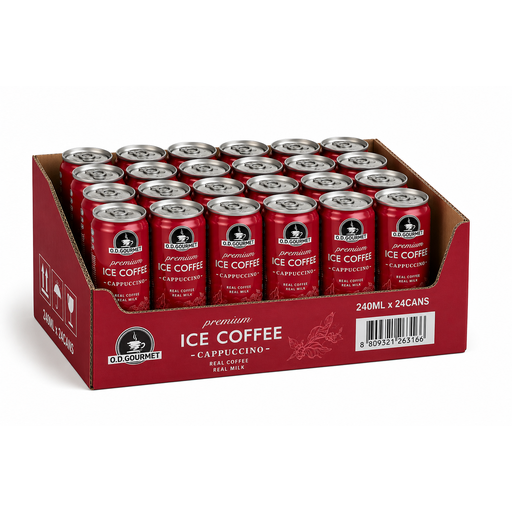
Why it suits this profile: A box containing 24 packs is convenient for an office, a household with several coffee drinkers or regular coffee on the go.
The multipack has a fixed quantity and volume. Check beforehand that you have enough cool storage space after opening.
24 × 240 ml; cappuccino flavour with milk; 52 mg of caffeine per 100 ml according to the stated information.
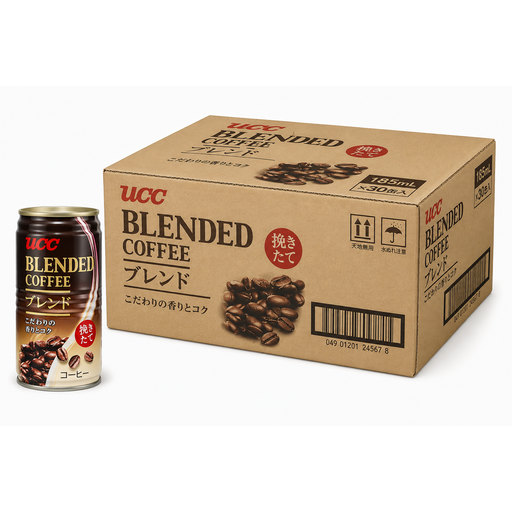
Why it suits this profile: This ready-to-drink black coffee is offered without added sugar and comes in 185 ml portions.
The product information lists water and coffee as ingredients and states 0 grams of sugar per 100 ml.
30 cans of 185 ml; 0 kcal and 0 grams of sugar per 100 ml according to the product details; none of the 14 main EU allergens listed.
We’ve put together a complete, up-to-date list of products that fully meet these strict selection criteria and the applicable European safety regulations.
It depends on the pack size, delivery costs and number of items. Always compare the price per can, sachet or 100 grams, rather than just the total price. A multipack may offer better value for regular use, while a smaller pack is more convenient for trying a flavour first.
The best-before date is shown on the packaging. Store unopened coffee according to the instructions, usually in a cool place away from direct sunlight. Once opened, milk coffee or iced coffee will generally need to be refrigerated and consumed within the stated period. Always check the label of the specific product.
For home, the office or travelling, instant coffee and 3-in-1 coffee are practical options: you only need hot water. If you don’t want to mix anything at all, choose ready-to-drink coffee in a can or bottle. With 3-in-1 mixes, however, check for sugar, creamer and milk allergens.
