
Vandaag of morgen in huis

Kwaliteit gegarandeerd

Welkomstaanbiedingen ontgrendelen: GRATIS bezorging | Tot 80% korting | Gratis 30 dagen JoyPlus-proefperiode
Download de app
When you’re buying coffee for home, the office or on the go, it’s easy to get lost among the packaging and flavour claims. A lower price per box doesn’t always mean lower costs, and a high intensity score tells you little about the caffeine content. What’s more, not every capsule fits every coffee machine.
Use these practical checks to make a more informed choice between coffee capsules, coffee beans, ground coffee, instant coffee and coffee pads.
A capsule for Nespresso Original won’t necessarily work in a NESCAFÉ Dolce Gusto machine. L'OR Barista also doesn’t use exactly the same capsule system as every other machine. So always check:
If you’re unsure, follow your coffee machine’s instructions. A capsule that looks as though it fits may still not be pierced or sealed correctly.
A rating such as strength 7/9 or 6/12 usually describes the flavour, roast or body. It’s not a direct measure of caffeine content. Strong coffee may taste darker and more bitter, while mild coffee still contains caffeine.
Instead, look at the bean type and blend. Arabica is often associated with a smoother, more aromatic profile. Robusta can add more body and a stronger character. But this still doesn’t tell you everything about the final strength: the amount of coffee, brewing time and preparation method all play a part.
A box of 40 capsules may look like a good deal, but check the amount in each capsule and the recommended serving size. In cappuccino and latte products, milk powder and sugar can make up a considerable proportion of the ingredients. For example, NESCAFÉ Cappuccino capsules list whole milk powder and sugar in the ingredients.
So compare the price per cup, not just the price per pack. The weight also matters with coffee beans: a 500-gram bag will last longer, but its aroma gradually fades after opening unless you store it in an airtight container.
Choose the system before you consider the flavour:
Also check the brand names and symbols on the packaging. “Compatible” doesn’t mean the capsule was made by the original manufacturer.
When choosing Arabica coffee, look at its origin, roast and tasting notes. A light roast often gives a smoother profile with more noticeable acidity. A medium roast can offer a balance of aroma and body. Dark roasts are generally associated with a more intense, roasted flavour.
The product description for Starbucks Blonde Espresso Roast Coffee Capsules states that they are made with 100% Arabica, have a light roast and offer a smooth, subtly sweet taste. According to the product information, L'OR Espresso Onyx coffee beans are also made with 100% Arabica and come in a 500-gram pack.
Black coffee usually contains only roasted, ground coffee. Milk-based drinks may contain milk, milk powder, sugar or lactose. Always check the allergen information, especially for cappuccino capsules and hazelnut varieties.
Store coffee in a cool, dry place, away from direct sunlight, heat and moisture. Seal opened packaging tightly. It’s best to grind coffee beans just before use; ground coffee loses its aroma more quickly.
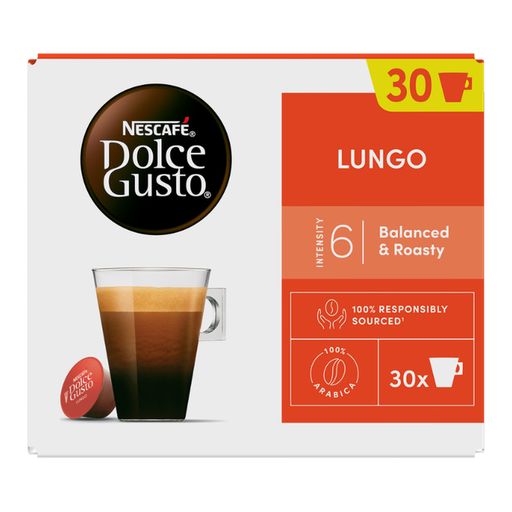
Why it suits this profile: A pack of 30 capsules is a practical choice for everyday use in a compatible Dolce Gusto machine, at home or in the office.
The product information clearly identifies the Dolce Gusto system and recommends 120 ml of water per capsule.
30 capsules, 100% Arabica according to the product description, and suitable for making lungo.
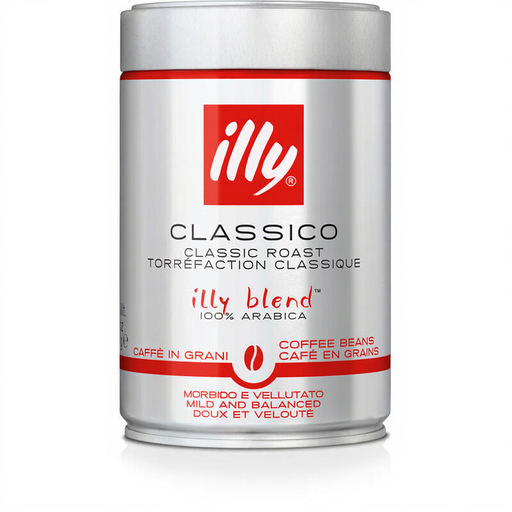
Why it suits this profile: Ideal if you want to grind your own coffee and use different brewing methods, such as espresso, moka, filter or lungo.
The pack contains whole coffee beans, so you can adjust the grind to suit your machine instead of being tied to one capsule size.
250 grams of 100% Arabica, a medium roast and, according to the product information, no more than 1.5% caffeine.
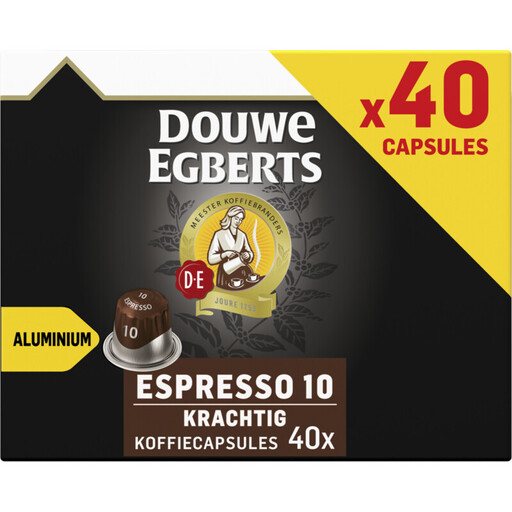
Why it suits this profile: A larger pack is a good fit for households and offices where several espressos are made each day.
The machine compatibility and pack size are clearly stated: suitable for Nespresso machines, with 40 capsules weighing 5.2 grams each.
A Robusta and Arabica blend, made for an intense espresso profile and a good supply for regular use.
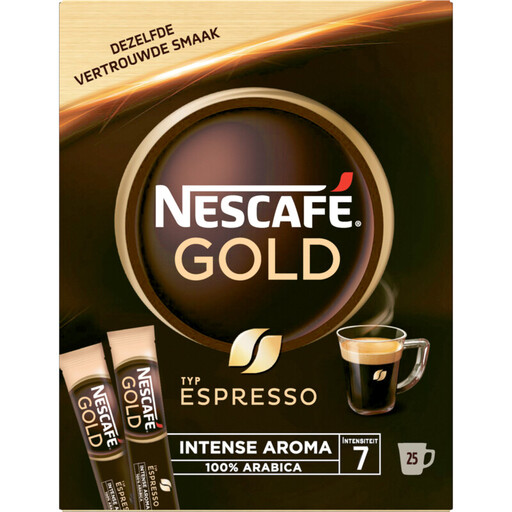
Why it suits this profile: Handy for travelling, workplaces without a coffee machine or whenever speed matters more than a longer preparation process.
There’s no need for a capsule machine: the product instructions recommend one sachet with 60 ml of hot water.
25 individual servings, 100% Arabica according to the product information, and easy to take with you.
We’ve put together a complete, up-to-date list of products that meet these strict selection criteria and the applicable European safety regulations.
It depends on how much you drink, the price per pack and how you prepare it. Compare the weight, number of servings and recommended amount per cup. Capsules are convenient, while coffee beans often give you more flexibility over the dose and grind.
Always follow the date and storage instructions on the packaging. Store coffee in an airtight container, in a dry place away from light. Ground coffee and beans gradually lose their aroma after opening, so smaller packs may be more practical if you don’t drink much coffee.
You can use espresso capsules, espresso made from freshly ground beans or instant coffee for a cappuccino, depending on your machine. A darker roast or a blend with Robusta can give the coffee flavour more presence alongside the milk. If you’re buying ready-made cappuccino capsules, check the ingredients and sugar content.
