
Vandaag of morgen in huis

Kwaliteit gegarandeerd

Welkomstaanbiedingen ontgrendelen: GRATIS bezorging | Tot 80% korting | Gratis 30 dagen JoyPlus-proefperiode
Download de app
Buying coffee online seems straightforward – until you discover that a capsule doesn't fit your machine, a bag of ground coffee is too coarse, or a 3-in-1 mix is mostly sugar and creamer. Terms like Arabica, Robusta, intensity and latte don't always tell you enough about the product either.
With this practical checklist, you can compare coffee based on brewing method, ingredients, machine compatibility, quantity and when you'll drink it. That way, you'll avoid a bad buy for home, the office or on the go.
Not every capsule fits every coffee machine. Nespresso capsules and Dolce Gusto capsules are different sizes and work with different systems. A product title that says "espresso capsule" isn't enough on its own.
Always check:
A latte macchiato capsule, for example, may contain milk powder and sugar. That's quite different from a pure coffee capsule where you add your own milk.
With 3-in-1 coffee, instant coffee and some ready-to-drink coffees, part of the recipe is made up of sugar, creamer or flavouring. That's not necessarily a problem, but it does affect the taste, nutritional value and cost per cup.
So look at the order of ingredients. In the EU, ingredients are usually listed in descending order by quantity. If sugar comes first, it makes up a significant part of the mix. With NESCAFÉ 3-in-1 Smooth & Rich, for example, sugar is listed as the first ingredient; the product information also states 7.6% instant coffee.
Arabica and Robusta give you a clue, but they don't determine the flavour on their own. The roast level, grind, brewing method and dosage all play a part too. Robusta is often associated with a strong taste and more caffeine, while Arabica is usually described as smoother and more aromatic. That's not a guaranteed flavour promise.
With ground coffee and filter coffee, pay particular attention to the right grind. For a filter machine, an even, relatively fine grind is practical. For a French press, a coarser grind is more common. Don't automatically use ground coffee in a capsule or pod machine.
First, choose the technique you want to use every day:
With capsules, "compatible with Nespresso" or "compatible with Dolce Gusto" is a more important buying criterion than just the flavour name.
Check whether you're buying pure coffee, a milk-based drink or a mix. A product with 100% ground coffee contains no added sugar or creamer. With latte products, milk powder, sugar and flavourings may be part of the recipe.
Also check the EU allergen information. Products like hazelnut macchiato may contain milk according to the product description. With vegan coffee or a matcha latte, you should also check whether the creamer is genuinely plant-based. The JENI Vegan Matcha Latte states it contains a vegan creamer and none of the 14 major EU allergens, but always check the current packaging before buying.
Don't just compare the price of a bag or box – compare the price per cup too. A 500 g pack of ground coffee, with a dosage of around 7 g, can make several cups. A box of ten capsules, on the other hand, gives you ten fixed portions.
Also check:
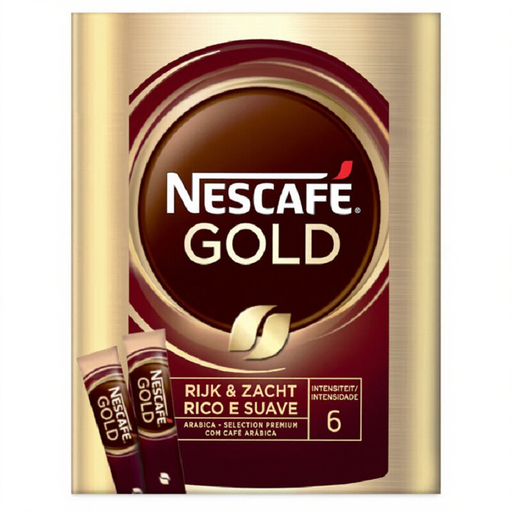
Why this fits the profile: The individual sachets are easy to portion and don't require a machine. According to the product information, the coffee contains instant coffee with finely ground Arabica coffee.
You don't need to choose a capsule system or grind size. The portions are given per sachet; just check the recommended amount of water.
25 sachets of 1.8 g each; none of the 14 major EU allergens are listed in the product information.

Why this fits the profile: For those who want a fixed capsule brew and a lungo format. The product information states compatibility with Nespresso machines.
The product description mentions the capsule system, the number of servings and the intensity of 5/13. Still double-check this against your machine's manual.
10 individually portioned capsules; only roasted, ground coffee as an ingredient according to the product information.
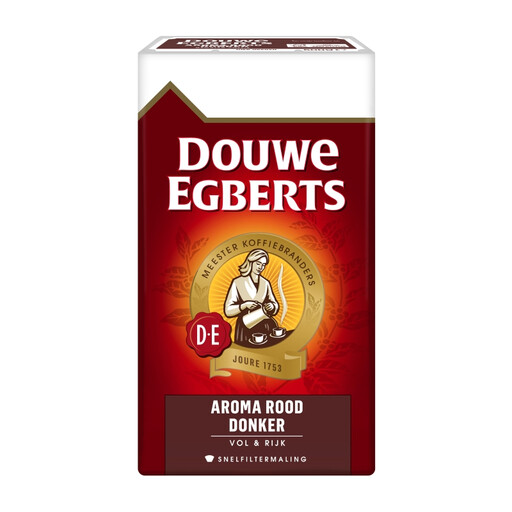
Why this fits the profile: A practical choice for daily filtering and larger quantities at home or in the office. The product information states a blend of Arabica and Robusta.
The packaging states a dosage of around 7 g per cup. This makes it easier to estimate your usage than with loose scoops and no fixed measure.
500 g of ground coffee; suitable for filter brewing and, according to the product information, free from the 14 major EU allergens.
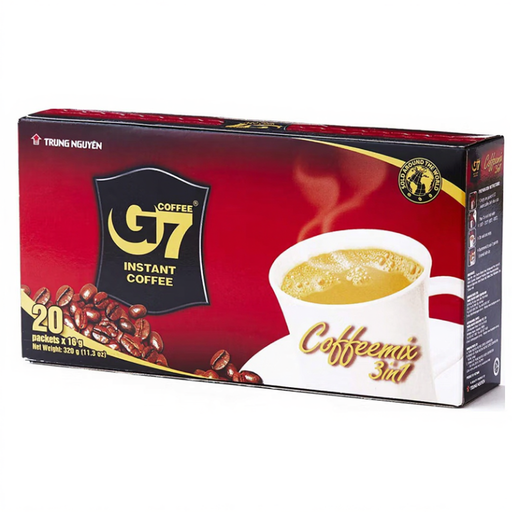
Why this fits the profile: This Vietnamese coffee combines instant coffee, creamer and sugar in 20 sachets of 16 g each. Handy without a machine and suitable for home, the office or on the go.
The portion size and brewing method are clearly stated. Do check the ingredients though: sugar comes before the instant coffee, and the product contains milk protein.
20 individual sachets; can be prepared with just hot water; according to the product information, suitable for vegetarians.
We've put together a full, up-to-date list of products that fully meet these strict selection criteria and comply with current European safety regulations.
Instant coffee, soluble coffee and 3-in-1 coffee are practical: you only need hot water. With 3-in-1 varieties, watch out for sugar, creamer and milk ingredients. For a pure coffee taste without extra ingredients, you can choose regular instant coffee.
That depends on the dosage, packaging and amount of coffee per cup. Ground coffee in a 500 g bag can work out cheaper per cup, while capsules offer fixed portions and minimal preparation. Compare the price per serving and take into account the cost and compatibility of your machine.
Store coffee in a cool, dry place away from direct sunlight. Seal a bag or pouch tightly to limit contact with moisture and air. Always follow the storage and best-before instructions on the packaging. Opened milk products, coffee creamer and ready-to-drink latte or macchiato drinks should be stored according to the label, often refrigerated after opening.
