
Vandaag of morgen in huis

Kwaliteit gegarandeerd

Welkomstaanbiedingen ontgrendelen: GRATIS bezorging | Tot 80% korting | Gratis 30 dagen JoyPlus-proefperiode
Download de app
Buying coffee online seems straightforward – until you have to choose between ground coffee, coffee beans, coffee pads, coffee capsules and decaf coffee. Packaging often uses words like “intense”, “premium” or “barista”, yet these terms don’t always make it clear which coffee suits your machine or taste.
With the right checks, you can avoid a bad purchase. Pay particular attention to compatibility, grind, roast, composition and price per cup. Below are practical points to consider, along with some popular choices for British households, offices and coffee lovers.
Dolce Gusto capsules and Senseo coffee pads are not interchangeable systems. A capsule might look like it fits, but still be unsuitable for your machine. Always check the stated compatibility:
A dark roast often tastes more powerful, bitter or smoky, but that doesn’t automatically mean the coffee contains more caffeine. The final strength also depends on the amount of coffee, brewing method and extraction time.
So look at the flavour intensity, roast and blend used. An Arabica coffee, for example, can taste milder and more aromatic, while a blend with Robusta often has more body and a firmer character.
A 500g bag might seem economical, but coffee gradually loses its aroma after opening. For a household that doesn’t drink much coffee, a 250g pack can be more practical. When comparing, calculate the price per gram or per pad/capsule, and check the best-before date on the packaging.
Store coffee in a cool, dry place away from direct sunlight. Seal an opened pack tightly. Coffee beans and ground coffee are sensitive to moisture, heat and air.
The right grind has a big impact on the result:
Product packaging sometimes lists several brewing methods. Check that your machine is actually among them. For example, Lavazza coffee may be sold as espresso coffee, while the product information also mentions filter and French press.
Arabica coffee is generally known for a more refined aroma. Robusta, on the other hand, can provide a stronger profile and more crema in espresso. Many blends combine both types.
Also pay attention to the roast:
The terms “dark” and “intense” are not universal quality standards. So compare them with the concrete information about bean type, flavour profile and brewing method.
Pure ground coffee and coffee beans usually contain only coffee. Cappuccino capsules and latte products may also contain milk powder, sugar, flavourings and vegetable fats. Check the ingredients list if you want to avoid a product with milk, soya or other allergens.
For example: the Nescafé Hazelnut Macchiato capsules contain, according to the product information, milk powder, sugar, flavourings and coffee. The Nestlé Cappuccino Light capsules list milk and soya as allergens. A flavour like hazelnut coffee can therefore come from added flavourings rather than from hazelnuts themselves.
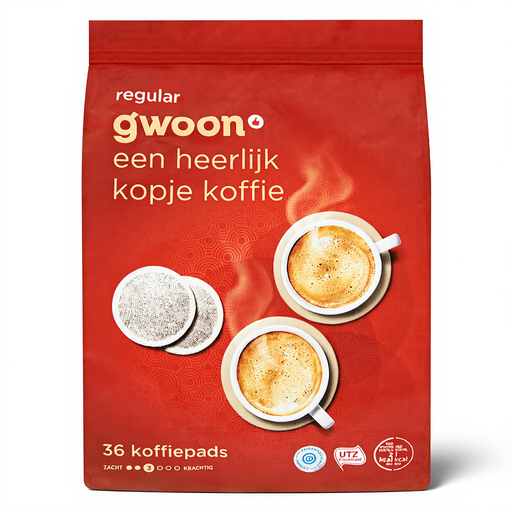
Why this fits the profile: This pack contains 36 coffee pads for compatible Senseo machines. The medium roast and intensity 6 provide clear starting points for everyday use.
The packaging explicitly states compatibility with Senseo. That means you don’t have to guess based on the pad’s shape alone.
36 pads per pack, 100% ground coffee according to the product information, and suitable for multiple coffee drinks.
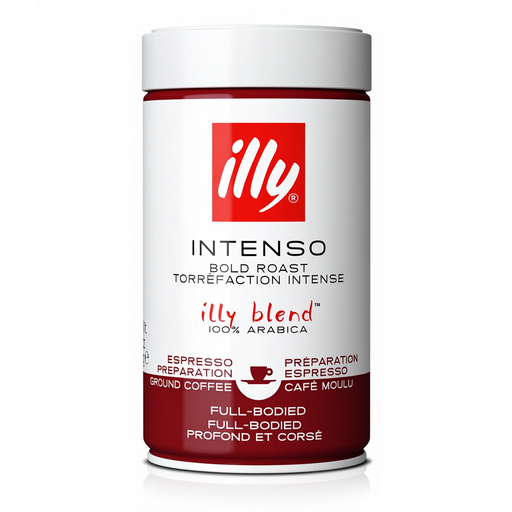
Why this fits the profile: This ground coffee is made from 100% Arabica according to the product information and is packed in a protective atmosphere. The grind can be used for espresso, moka pot and filter, depending on your preferred brewing method.
The product information states the composition, packaging and recommended grind settings. This makes it clearer what you can use the coffee for.
250g, 100% Arabica and an intense roast. According to the product description, the packaging contains none of the 14 major EU allergens.
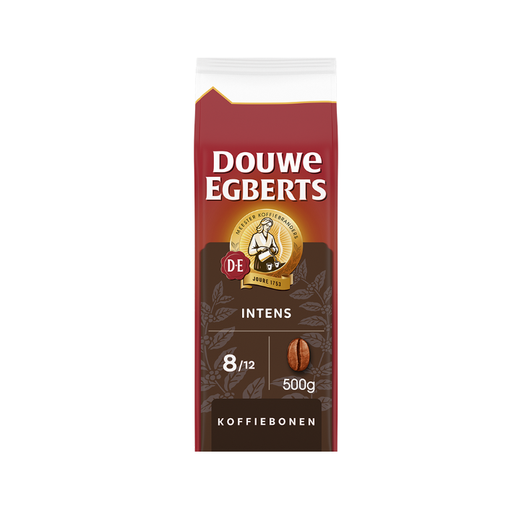
Why this fits the profile: If you make lots of cups at home or in the office, 500g of coffee beans lets you adjust the grind and dose for espresso, lungo or other brews.
The product description mentions a dark roast and an intense flavour profile. That makes the choice more concrete than just a general claim about “strong” coffee.
500g coffee beans, ingredients list with coffee beans and a dark roast profile according to the product information.
For those looking for caffeine-free coffee, Kanis & Gunnink Decaf Filter Coffee and Douwe Egberts Decaf Ground Coffee are relevant options to compare. The product information for both mentions a rounded flavour and suitability for filter brewing. Always check the current packaging and brewing instructions.
Prefer a milk-based drink? The Nescafé Hazelnut Macchiato combines espresso, milk and roasted hazelnut notes in capsules for a compatible Dolce Gusto machine. Douwe Egberts Indulgence Choco Hazelnut Coffee Latte can be prepared without a coffee machine, according to the product description. With such products, pay extra attention to sugar, milk components and allergens.
We’ve put together a full, up-to-date list of products that fully meet these strict selection criteria and comply with current European safety regulations.
Choose coffee pads that explicitly state they are suitable for Senseo machines. Ordinary ground coffee or Dolce Gusto capsules won’t fit directly into a standard pad holder. Also check whether you want to use one or two pads for one or two cups.
That depends on the pack size, dose and any offers. Coffee beans and ground coffee are often easy to compare per gram. With capsules and coffee pads, the price per cup is usually clearer, but the price per gram can be higher. So calculate both the price per pack and the price per cup.
Store coffee in its original, well-sealed packaging or in an airtight, opaque container. Keep the coffee in a cool, dry place, away from sunlight, heat and moisture. Always check the best-before information and do not use any packaging that is damaged.
