
Vandaag of morgen in huis

Kwaliteit gegarandeerd

Welkomstaanbiedingen ontgrendelen: GRATIS bezorging | Tot 80% korting | Gratis 30 dagen JoyPlus-proefperiode
Download de app
Buying coffee online seems straightforward, until you have to choose between coffee capsules, ground coffee, coffee beans, instant coffee and ready-to-drink iced coffee. Packaging often uses words like “intense”, “rich” or “premium”, but these don’t always tell you enough about the flavour, ingredients or practical usability.
With this guide, you can compare coffee on verifiable points: the brewing method, composition, roast level and serving size. That way, you avoid paying for a product that doesn’t fit your daily routine.
“Dark roast” doesn’t automatically mean a coffee contains more caffeine. The flavour may be stronger, more bitter or smokier, while the caffeine content isn’t clearly stated on the packaging. So if you’re looking for strong coffee, it’s worth checking the type of coffee beans used, the roast level and the brewing method.
Robusta coffee is generally associated with a bold flavour and a higher caffeine content than Arabica coffee. That’s a general characteristic of the coffee type, not a guarantee for every individual product. Always check the product information.
A 500g bag may seem good value, but coffee beans and ground coffee require a coffee machine, filter holder or moka pot. Coffee capsules are often more expensive per cup, but they offer a fixed portion and minimal preparation. With 3-in-1 coffee, you’re paying for convenience, but also for sugar and creamer.
So compare the price per cup, not just the price per bag, box or bottle.
A latte macchiato or caramel coffee can contain significantly more sugar than black instant coffee. With blended products, sugar, milk powder, creamer and flavourings are listed in the ingredients. Also look out for allergens such as milk, soya, gluten or fish. A product described as “creamy” doesn’t necessarily contain fresh milk.
Arabica coffee is often chosen for its milder, more aromatic flavour. Robusta can offer a fuller, bolder profile. A blend combines both characteristics. None of these types is automatically right for everyone; your taste and brewing method determine the choice.
A dark roast coffee, for example, works well with espresso or milk-based drinks when you want a pronounced flavour. For filter coffee, a lighter roast can be more pleasant. Product names like “intense” or “bold” are marketing terms. Use the stated coffee type, grind and brewing instructions as a verifiable basis.
Look out for:
According to the product information, Nescafé Gold contains only instant coffee and none of the 14 major EU allergens. A 3-in-1 product, on the other hand, often contains sugar and milk ingredients. The differences matter more than the name on the front.

Why this fits the profile: A practical choice for anyone who wants to make coffee quickly without a machine. The product description mentions carefully selected, lightly roasted Arabica coffee beans.
The composition is simple: according to the product information, it consists of instant coffee, with no added sugar or creamer.
200g content; only hot water needed; according to the label, none of the 14 major EU allergens.
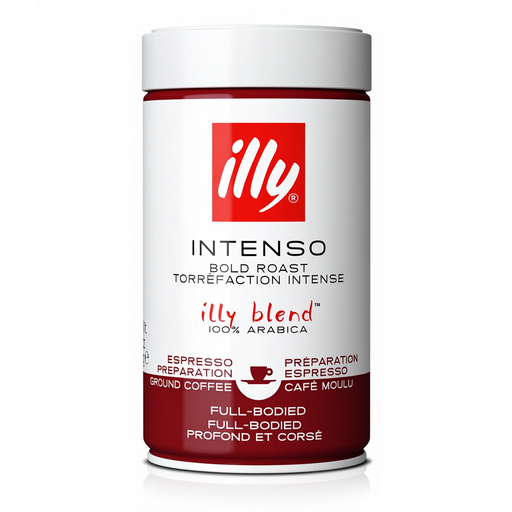
Why this fits the profile: For coffee drinkers who want to use ground coffee for espresso, moka, filter or cold brew and want the grind already suited to their brewing method.
The product information states 100% Arabica and lists several brewing methods with the corresponding grind.
250g; 100% Arabica according to the label; suitable for espresso, moka, filter and cold brew.
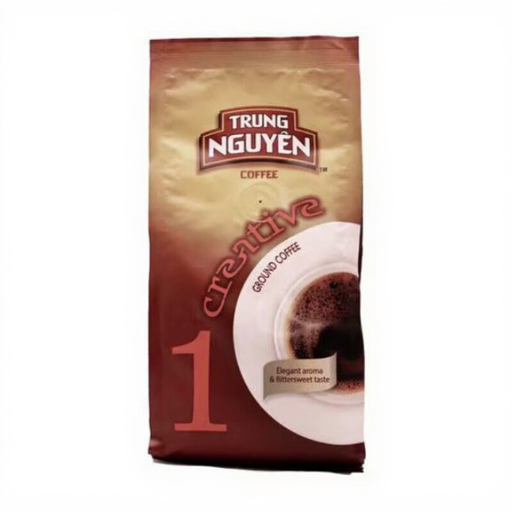
Why this fits the profile: An option for fans of Vietnamese coffee, a distinctive flavour and hot or cold preparation, such as Vietnamese iced coffee.
The product description clearly mentions ground Culi Robusta and a dark, bold flavour. According to the product information, it may contain traces of milk.
250g; suitable for hot coffee and iced coffee; clear mention of Robusta as the main ingredient.
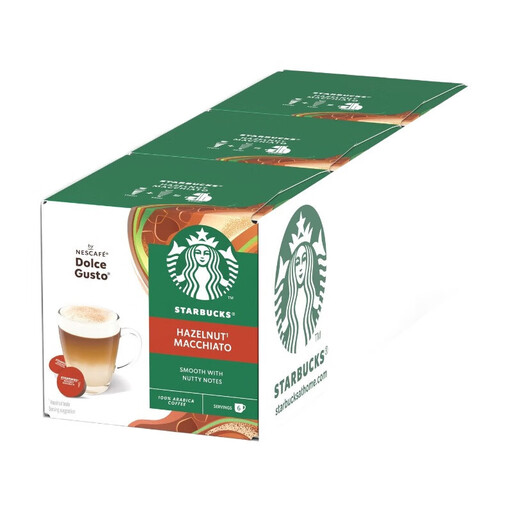
Why this fits the profile: Handy for anyone who wants to quickly make a latte macchiato with a hazelnut note without measuring milk separately.
The capsule is designed for a Nescafé Dolce Gusto machine. Check compatibility before you order. The label lists milk as an allergen.
6 capsules; 100% Arabica according to the product description; milk powder and sugar are already added.
We’ve put together a full, up-to-date list of products that fully meet these strict selection criteria and comply with current European safety regulations.
Instant coffee and 3-in-1 coffee only need hot water. Ready-to-drink iced coffee can also be consumed straight away. For ground coffee, you usually need a filter, cafetière, moka pot or another brewing method.
This varies depending on the packaging and product type. Store coffee according to the label in a cool, dry place and seal the packaging tightly. Check the best-before date and don’t use any product with damaged packaging. Ground coffee generally loses its aroma more quickly after opening than unopened coffee beans.
The cost depends on the serving size, product type and brewing method. Calculate the price by dividing the purchase price by the number of cups or sachets. With coffee beans and ground coffee, don’t forget to factor in the number of grams used per cup. That way, you can compare capsules, filter coffee, instant coffee and 3-in-1 coffee fairly.
