
Vandaag of morgen in huis

Kwaliteit gegarandeerd

Welkomstaanbiedingen ontgrendelen: GRATIS bezorging | Tot 80% korting | Gratis 30 dagen JoyPlus-proefperiode
Download de app
Buying coffee online seems straightforward, until you have to choose between ground coffee, coffee beans, instant coffee, espresso coffee and all sorts of flavoured varieties. Packaging often emphasises origin, branding or words like “intense” and “premium”, while practical information is less prominently displayed. As a result, you sometimes pay for a product that doesn’t suit your coffee machine, brewing method or taste preference.
This buying guide helps you compare coffee objectively. You’ll see what to look out for and which popular choices suit different situations: from a quick cup at the office to Italian espresso or Vietnamese coffee at home.
A coffee may be suitable for espresso, filter or French press, but the grind size determines whether that actually works in practice. Finely ground coffee is generally suited to espresso and Turkish coffee, while medium grind works better for filter coffee or a French press. Coffee beans are only practical if you have a grinder or a fully automatic machine.
Always check the brewing method on the product page. A packet labelled “espresso” is not automatically suitable for every espresso machine.
The words “intense”, “dark roast” or “strong” usually refer to flavour and branding. They don’t necessarily indicate how much caffeine is in a cup. The proportion of Arabica coffee and Robusta coffee also plays a role, as does the amount of coffee and the extraction time.
Robusta is often associated with a bolder profile, while Arabica is known for a more nuanced aroma. These are general characteristics, not a guarantee of a specific taste. Look instead at the ingredients, blend and brewing method.
With cappuccino, mocha, hazelnut and vanilla varieties, it’s not always about pure coffee with a subtle flavouring element. These products can contain sugar, milk powder, creamer or syrup. For example, the G7 Cappuccino Mocha product information states approximately 39 grams of sugar per 100 grams and about 80 kcal per 20-gram serving.
If you’re looking for a black coffee without additions, it’s better to choose coffee beans, ground coffee or pure instant coffee. Always check the current packaging for allergens, even when a product information page does not list any of the 14 main EU allergens.
First, choose the form that fits your routine:
The ingredients list makes it clear whether you’re buying pure coffee or a composite drink. According to the product information, Lavazza Espresso Barista Intenso consists of a blend of Arabica and Robusta beans. Illy Bold Roast Intenso states 100% Arabica. Douwe Egberts Aroma Rood Instant Coffee is described as freeze-dried instant coffee made from roasted Arabica and Robusta beans.
With cappuccino and flavoured varieties, sugar, milk constituents, creamer or flavourings are often listed. This is important for your taste expectations, dietary choices and any allergies.
Coffee loses its aroma through air, heat, light and moisture. Therefore, check:
Store coffee in a cool, dry place, out of direct sunlight and away from heat sources. Seal an opened package tightly. For ground coffee, an airtight, dark storage container is practical. Always follow the label for the most up-to-date storage and usage instructions.

Why this suits the profile: A practical choice if you want to make a quick cup without a coffee machine. According to the product information, one or two teaspoons and hot water are all you need.
The ingredients list states 100% freeze-dried instant coffee, with no added sugar in the product overview. So you know exactly what you’re buying.
200 g contents, Arabica and Robusta blend, and no machine required.
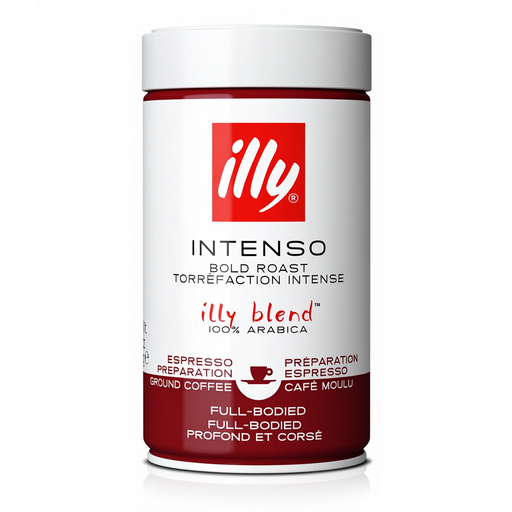
Why this suits the profile: Ideal for anyone looking for ground Italian coffee for espresso, moka pot, filter or a milk-based drink like cappuccino.
The product information explicitly states 100% Arabica and lists various brewing methods with suitable grind settings.
250 g ground coffee, 100% Arabica and protective tin packaging.

Why this suits the profile: For households or offices with a bean-to-cup machine that regularly makes espresso, cappuccino or latte.
The composition is clear: a blend of Arabica and Robusta beans. You can adjust the grind yourself to suit your machine.
500 g coffee beans, suitable for espresso and milk-based drinks, with a dark roast blend.
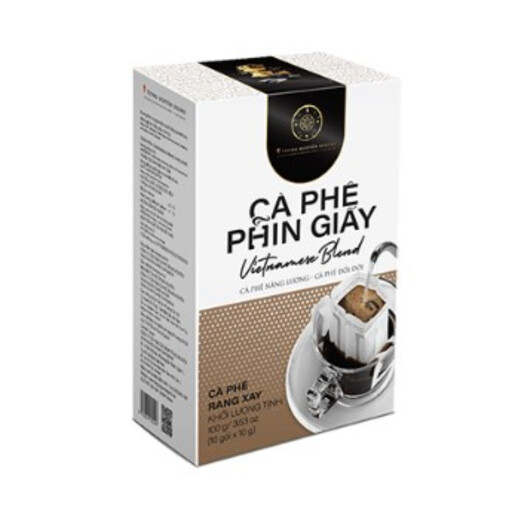
Why this suits the profile: The individual drip filters are convenient without a coffee machine. Hang the filter on your cup, pour hot water over it and wait a few minutes.
The product information mentions 10 sachets of 10 grams and a specific water temperature of around 92–96 °C.
Portion packaging, no separate filter holder needed, and a blend of Arabica and Robusta.
We’ve put together a full, up-to-date list of products that fully meet these strict selection criteria and comply with current European safety regulations.
Instant coffee is the quickest: you add hot water and stir. Drip coffee is an alternative if you want a fresher filter brew without a separate filter holder. Individual sachets are practical for on the go, as you only need a cup and hot water.
That depends on the packaging, the coffee form and the storage conditions. Always check the date and instructions on the label. Seal ground coffee, coffee beans and instant coffee tightly and store them in a cool, dry place away from light. Use opened coffee promptly, as the aroma gradually diminishes.
Not automatically. Coffee beans can be good value in larger packs, but you do need a grinder or a suitable machine. Ground coffee requires less equipment and can therefore be cheaper to use. Compare the price per 100 grams and also consider the brewing equipment you already have at home.
