
Vandaag of morgen in huis

Kwaliteit gegarandeerd

Welkomstaanbiedingen ontgrendelen: GRATIS bezorging | Tot 80% korting | Gratis 30 dagen JoyPlus-proefperiode
Download de app
Buying coffee online might seem straightforward, but the range varies greatly in flavour, preparation method, packaging and price per cup. A multi-pack offer isn’t automatically good value if the coffee doesn’t suit your machine or you find the taste too mild. Terms like “intense” and “premium” also tell you very little without concrete product information.
With this practical buying guide, you can compare coffee pads, drip coffee, filter coffee, instant coffee and coffee capsules on the points you can check before you buy.
Coffee pads, Senseo coffee pads and coffee capsules are not interchangeable. A pad is designed for a pod coffee machine, whereas capsules require a specific capsule system. Always check:
If in doubt, the product packaging is your best guide. With capsules especially, systems can differ in size and brewing pressure.
A high intensity rating doesn’t automatically mean the coffee is bitter or tastes stronger. The final experience also depends on the roast, grind, amount of water and beans used. For example, g’woon Extra Dark Roast Coffee Pads have a flavour intensity of 10 – Very strong, while g’woon Dark Roast Coffee Pads list an intensity of 8 – Strong.
So if you’re looking for a strong coffee, it’s better to look at the stated intensity, roast and brewing method together. A dark roast is no guarantee of a specific flavour experience.
A pack of 36 coffee pads might look like good value, but you should also compare the price per cup. With drip coffee, for instance, a pack contains individual portions of 8 or 10 grams. That’s handy for home, the office or on the go, but the price per cup can work out differently than with a larger bag of filter coffee.
Also pay attention to the best-before date, storage instructions and the condition of the packaging. According to the product information, coffee should be stored in a cool, dry place away from direct sunlight.
First, choose the format that suits your daily routine:
Drip coffee typically uses around 150 ml of water per portion. You’ll find the exact amount and water temperature on the packaging. RiXing Premium Filter Coffee, for example, recommends hot water at around 90–95 °C.
The composition influences the flavour and how you use it. Products with 100% Arabica coffee beans are often chosen by people who pay more attention to aroma and origin. Other blends combine Arabica with Robusta for a fuller or more robust profile.
Also check whether the product is pure coffee or contains extra ingredients. The g’woon Regular Roast Coffee Pads list 100% ground coffee. By contrast, some instant cappuccino or latte products contain milk solids, creamer, sugar or flavourings. That makes them suitable for a different drinking occasion, but not for someone looking for purely black coffee.
If you have allergies, it’s important to check the ingredients list and allergen information on the packaging. Product information can change between batches or markets.
For a household with several coffee drinkers, a mix of strengths can be practical. For an office, individual portions like drip coffee or instant coffee are handy when there’s no full-size machine available. If you drink several cups a day, pay particular attention to:
There are also specific options for decaf coffee. The g’woon Decaffeinated Coffee Pads contain caffeine-free coffee according to the product information and are intended for Senseo machines. Always check the current packaging for the full composition of caffeine-free products.
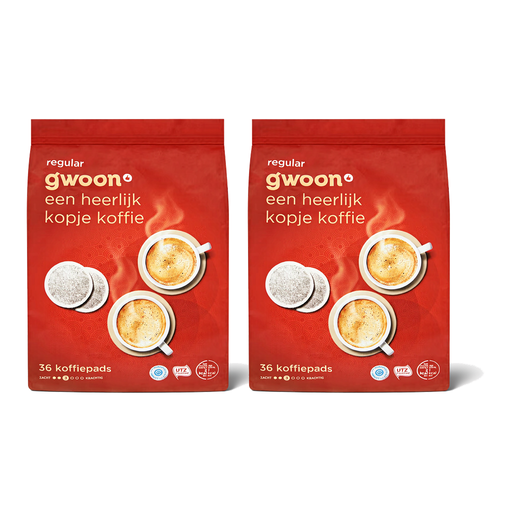
Why this suits the profile: The pack contains two lots of 36 pads and is suitable for pod coffee machines. The stated intensity is 6 – Regular, a sensible starting point if you don’t want to go straight for a dark roast.
The intensity and machine compatibility are clearly stated. So you won’t end up with an unknown strength or the wrong coffee format.
72 pads, 100% ground coffee according to the product information, and suitable for various milk and coffee drinks.
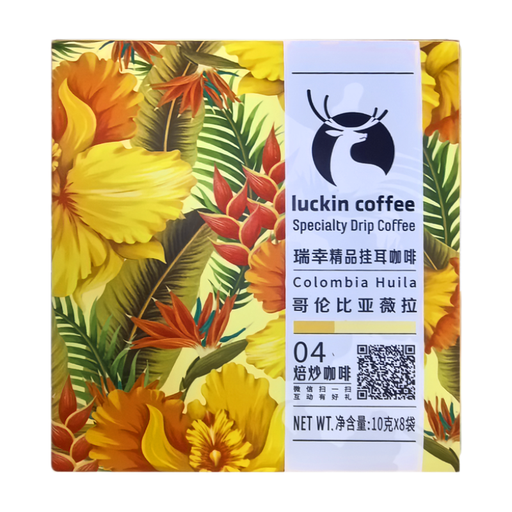
Why this suits the profile: These portions contain 100% Arabica coffee from the Huila region in Colombia, according to the product information. The drip bags offer a manual brewing method without needing a separate filter machine.
The packaging states the bean, origin, portion size and brewing instructions. So you don’t have to rely on vague flavour terms alone.
8 individually wrapped bags of 10 grams each, with a recommended water temperature of around 90–95 °C.
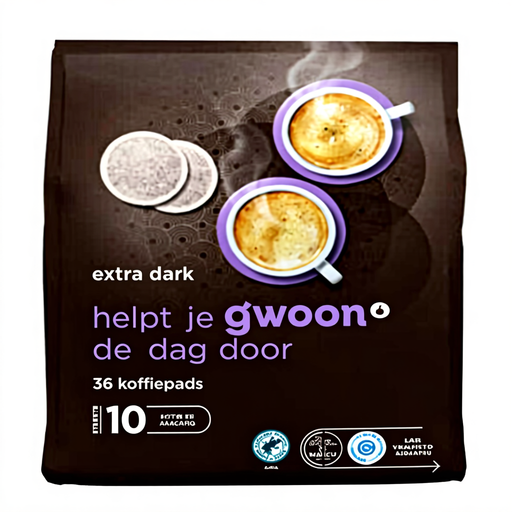
Why this suits the profile: For households or offices where several people want a bold flavour, the stated intensity of 10 gives a clearer starting point than a general label like “strong”.
The strength is clearly stated as 10 – Very strong. Just check beforehand whether your machine is suitable for these coffee pads.
36 pads, extra dark roast and, according to the product information, free from the 14 main EU allergens.
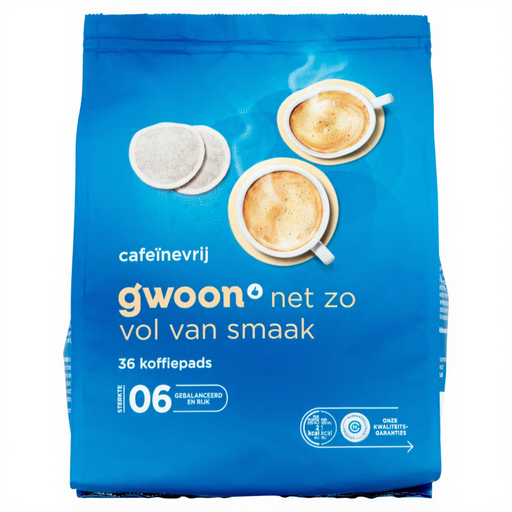
Why this suits the profile: This option is designed for anyone who wants to enjoy coffee without the usual caffeine and is looking for a Senseo-compatible pad for home or the office.
The label “decaffeinated” is clearly stated. Do check the current packaging before use for information on the remaining caffeine content.
36 coffee pads, intended for Senseo and, according to the product information, free from the 14 main EU allergens.
We’ve put together a full, up-to-date list of products that fully meet these strict selection criteria and comply with current European safety regulations.
Choose coffee pads that explicitly state they are suitable for Senseo or for pod coffee machines. Capsules and loose ground filter coffee will not fit a standard Senseo machine. Also check the size and brewing instructions on the packaging.
This varies by product and packaging. Store coffee according to the instructions on the label: usually in a cool, dry place away from direct sunlight and tightly sealed. Individual drip bags and portion packs help limit exposure to air and moisture. The official best-before information is on the packaging.
It can be, but compare the price per portion rather than just the total price. Divide the purchase price by the number of pads, capsules, sachets or cups. Also consider whether you’ll use the product before the best-before date and whether the coffee format fits your machine. That way, you can avoid a larger pack going unused in the end.
