
Vandaag of morgen in huis

Kwaliteit gegarandeerd

Welkomstaanbiedingen ontgrendelen: GRATIS bezorging | Tot 80% korting | Gratis 30 dagen JoyPlus-proefperiode
Download de app
Buying coffee online might seem straightforward, but the range varies greatly in flavour, preparation, packaging and price per cup. A striking packet or a high intensity score doesn’t automatically mean the coffee is right for your machine or your taste. With a few checks, you can avoid a disappointing purchase.
An intensity score is usually about the flavour experience, roast and body of the coffee. A coffee with a score of 12/13 generally tastes stronger than one with a score of 5/13, but that doesn’t automatically mean it contains proportionally more caffeine. If you’re after a strong brew, it’s worth also looking at the coffee variety, blend and product information.
Robusta coffee is often associated with a bold flavour and a higher caffeine content than Arabica coffee. That’s a general characteristic of the coffee type, not a guarantee for every individual product. Always check the label if caffeine is an important factor in your purchase.
Not every capsule works in every machine. A product might be suitable for a Nespresso system, for example, yet not fit a Dolce Gusto machine or another capsule system. So don’t just rely on the name “espresso coffee”; check the compatibility with your coffee machine.
Some product descriptions clearly state compatibility. The Lavazza Espresso Lungo capsules, for instance, are described as suitable for Nespresso machines. Still, always double-check on the packaging and in the product details, because systems and packaging can vary.
A 500 g bag of coffee beans might seem good value if you drink several cups a day. If you only have coffee occasionally, a smaller pack could be more practical. Once opened, coffee beans and ground coffee need protection from air, moisture, heat and direct sunlight.
Store coffee in a well-sealed container in a cool, dry place. If in doubt, follow the storage instructions on the label. Don’t use a packet if it’s damaged, and check the best-before information before ordering a large quantity.
The coffee format determines how much convenience and flexibility you get:
Arabica coffee is often chosen for its milder, aromatic flavour. Robusta can provide more body and a stronger profile. A blend of Arabica and Robusta is interesting for espresso, because the composition can influence flavour, intensity and crema.
Also pay attention to added ingredients. Pure coffee beans and ground coffee typically contain only roasted coffee. A flavoured coffee concentrate may also contain sugar, water and natural flavourings, for example. That doesn’t make the product better or worse, but it does affect how suitable it is for your use.
A light, medium or dark roast gives an indication of the flavour profile. Dark roasted coffee is often perceived as stronger and fuller, while a medium roast can leave more room for aromatic or fruity notes. The final taste also depends on dosage, grind size, water temperature and brewing method.
Also look at the net weight and number of servings. A pack of 40 capsules might be more attractive in terms of price per cup than a box of 10 capsules, but only if you use the product regularly. For filter coffee and espresso, 250 g of ground coffee can be a manageable amount to try first.
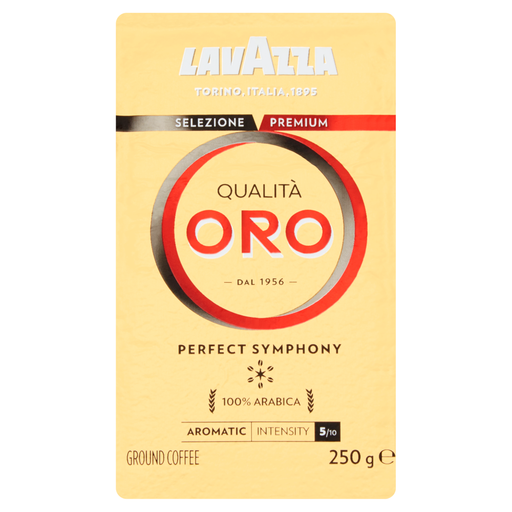
Why this fits the profile: A 250 g pack is a sensible size when you want to try ground coffee without committing to a large quantity straight away. According to the product information, it’s 100% Arabica with a medium roast.
The coffee format and composition are clearly stated. You don’t need to buy a grinder, and you can check beforehand whether the grind suits your brewing method.
250 g ground coffee; 100% Arabica according to the product description; medium roast.
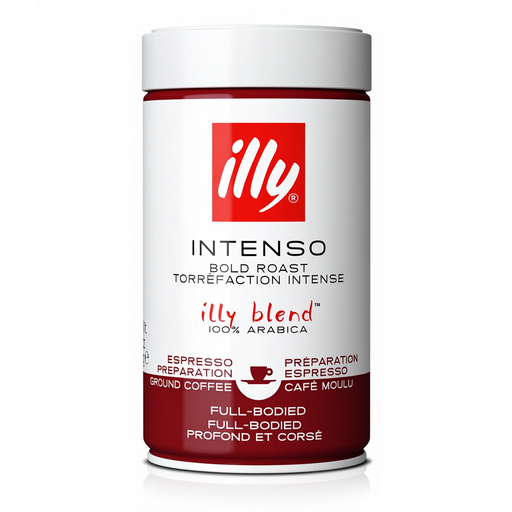
Why this fits the profile: This Italian ground coffee is made from 100% Arabica according to the product information and comes in a tin. That’s practical for anyone who values protective packaging and a distinctive roast.
The product information states both the coffee type and possible brewing methods, including espresso, moka and filter. Do check the grind for your machine.
100% Arabica; 250 g; ground coffee in a tin; suitable for multiple brewing methods according to the product description.
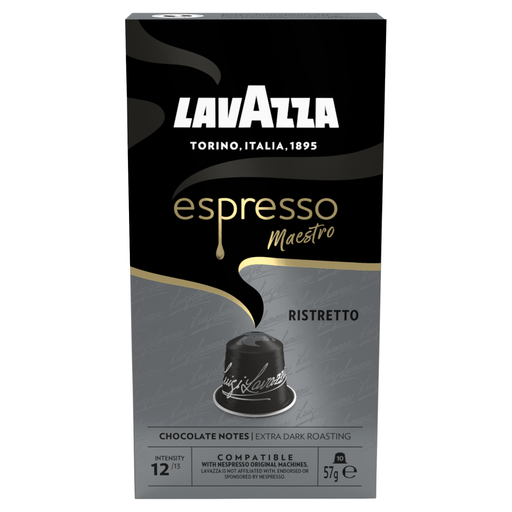
Why this fits the profile: These capsules are designed for Nespresso machines and have an intensity of 12/13 according to the product description. That suits users looking for a compact espresso with a bold flavour profile.
Compatibility is specifically mentioned. Still check before buying that your machine actually works with Nespresso capsules.
10 individually portioned capsules; Arabica and Robusta blend; intensity 12/13 according to the product information.

Why this fits the profile: Instant coffee is handy in the office, a student room or at home when you want a quick single cup. According to the product information, this variant contains instant coffee made from selected Arabica beans.
You’re not paying for capsules or a machine when speed is the main priority. The recommended serving and preparation information are on the packaging.
200 g pack; instant coffee; made with Arabica coffee beans according to the product information.
We’ve put together a full, up-to-date list of products that fully meet these strict selection criteria and current European safety regulations.
For a bean-to-cup machine you’ll usually need coffee beans, unless the machine also supports ground coffee. A piston machine typically uses finely ground espresso coffee. Check the manual and match the grind to your brewing method. For a Nespresso machine, you need capsules specifically designed for that system.
That depends on the brand, the packaging, the dosage and the number of cups you make. Coffee beans can work out cheaper per cup, but they require a suitable machine or grinder. Capsules offer more convenience but are sold per portion. So compare the price per 100 g as well as the price per cup.
Store coffee in its original, well-sealed packaging or in an airtight, dark container. Keep it cool and dry, away from sunlight, heat and moisture. Don’t routinely store coffee in the fridge if condensation could form; always follow the instructions on the label first.
