
Vandaag of morgen in huis

Kwaliteit gegarandeerd

Welkomstaanbiedingen ontgrendelen: GRATIS bezorging | Tot 80% korting | Gratis 30 dagen JoyPlus-proefperiode
Download de app
Buying coffee beans may seem straightforward, but the options vary considerably in type, roast, grind, packaging and preparation method. A 500-gram bag may be suitable for a bean-to-cup machine, while another coffee may be intended mainly for espresso. Terms such as “intense”, “Italian” and “100% Arabica” do not always tell the whole story.
With this practical guide, you can focus on the specifications that really make a difference in everyday use.
Coffee beans are only suitable for machines with a built-in or separate grinder. If you use a filter coffee machine, French press or pour-over setup, you need ground coffee. With a capsule machine, check the system first. Nespresso capsules and Dolce Gusto capsules are not automatically interchangeable.
The product description for Starbucks Single-Origin Colombia mentions both compatibility with a Nespresso system and preparation using NESCAFÉ Dolce Gusto. Always check the packaging and your machine’s specifications before ordering.
A dark roast often tastes stronger, more bitter or smokier than medium roast coffee beans, but a darker roast does not automatically contain more caffeine. The final flavour also depends on the bean, grind, dose and preparation method.
For example, a coffee with an intensity of 8/9 is positioned differently in Cafe Nova Forte’s product information from Douwe Egberts Aroma Rood, which has an intensity of 05 on a scale from 01 to 09. Use scores like these mainly to compare products within the same product range.
A 500-gram coffee bean pack is practical for many households. However, if you buy several kilos without a properly airtight storage place, the aroma and flavour may gradually fade. Look for resealable packaging, or store opened coffee in an airtight container somewhere cool and dry, away from sunlight, heat and moisture.
Also check the best-before information on the physical label. The date shown in an online product description may vary from one delivery to another.
Arabica coffee beans are often chosen for their milder, more aromatic flavour. Robusta beans can provide more body and a more pronounced, powerful profile. A blend of Arabica and Robusta is appealing for espresso, cappuccino and latte when you want a full flavour and a generous crema.
Pay attention to the ingredients list. “100% Arabica” is a specific product specification. For a blend, it should be clear which coffee varieties have been used. For example, Lavazza Espresso Barista Intenso lists a blend of Arabica and Robusta, while Lavazza Espresso Barista Perfetto is described as being made from 100% Arabica.
Bear in mind that flavour descriptions such as “nutty”, “chocolate” or “woody” are the brand’s descriptions. According to L’OR’s own product description, Espresso Forza has notes of oak, wine, herbs and chocolate. Treat this as an indication rather than a guaranteed taste experience.
Beans for an espresso machine are ground just before brewing. For filter coffee, a percolator or French press, the right grind is more important than the brand alone. Coffee that is too finely ground can produce a heavy or cloudy result in a French press, while coffee that is too coarse may be under-extracted in a filter machine.
For filter coffee and pour-over, you can also choose pre-ground coffee or drip bags. According to the product description, RiXing Premium Filter Coffee consists of eight individual 10-gram sachets containing 100% Arabica coffee from Colombia. This is convenient for the office, travelling or making a single cup without a coffee grinder.
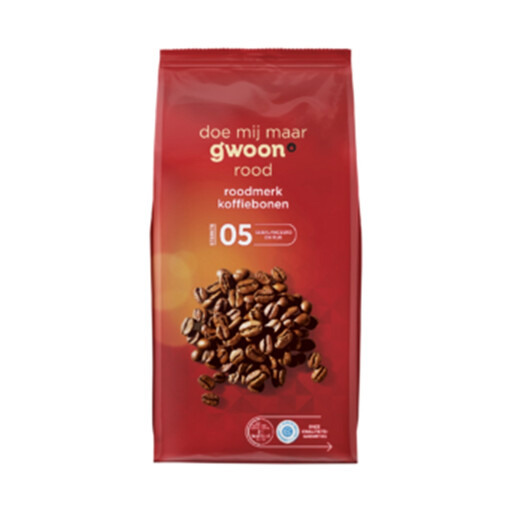
Why it suits this profile: These medium-roast beans are suitable for espresso, filter coffee and bean-to-cup systems. This means you do not need to buy different packs for multiple machines straight away.
The packaging states that it contains 100% coffee beans, has a medium roast and is suitable for several preparation methods. The resealable pack helps to keep the coffee fresh after opening.
500 grams, 100% coffee beans and suitable for espresso, filter and fully automatic machines.

Why it suits this profile: According to the product description, this coffee is made from 100% Arabica, with an intensity of 6/10 and a profile featuring subtle floral and chocolate notes.
The product information specifies the coffee type, roast profile, intensity and suitable preparation methods. This allows you to compare more effectively than by looking at the brand name alone.
100% Arabica, 500 grams and, according to the description, suitable for espresso or lungo.
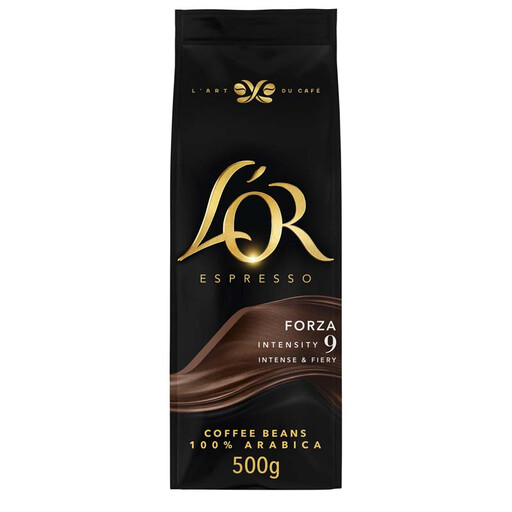
Why it suits this profile: According to the product description, this dark roast is intended for a full-bodied espresso and for use in fully automatic coffee machines.
The roast and recommended machine are clearly stated in the product information. This makes it easier to choose a distinctive espresso without confusing filter coffee and espresso beans.
500 grams, dark roast and, according to the brand description, notes of oak, wine, herbs and chocolate.
Choose coffee for a fully automatic machine if your machine grinds and doses the coffee itself. Espresso coffee beans are a sensible choice for a portafilter or semi-automatic machine, provided you can adjust the grind yourself. For a filter machine or French press, ground coffee is often easier. Do check whether the grind is fine, medium or coarse.
Coffee capsules save time and reduce waste per cup, but you are tied to the corresponding capsule system. A pack of ten capsules, such as Starbucks Single-Origin Colombia Medium Roast, is a practical way to try a flavour first. Always check that your machine is compatible before buying.
If you use different preparation methods at home, you can combine a bag of beans with a separate coffee grinder. For pour-over and manual filter brewing, you will find more targeted options in the pour-over coffee beans category.
We have put together a complete, up-to-date list of products that fully meet these strict selection criteria and the applicable European safety regulations.
Choose coffee beans that are explicitly suitable for fully automatic coffee machines or bean-to-cup systems. Also consider the roast. A medium roast is often versatile, while a dark roast is a better fit if you want a distinctive espresso. Check that the beans are not flavoured if you are looking for pure coffee only.
This depends on the packaging, storage conditions and how frequently you use it. Seal the bag properly after every use and store it somewhere cool and dry, away from direct sunlight, heat and moisture. It is better to buy a size that you can use within a reasonable period. For many households, 500 grams is a practical starting point; for an office, 1000 grams may make more sense.
Not necessarily. Compare the price per 100 grams and consider how much coffee you use for each preparation. A larger pack may reduce the price per gram, but only if you use the coffee in good time and store it properly. With capsules, the price per cup is usually easier to calculate, while beans and ground coffee give you more flexibility over the dose and strength.
