
Vandaag of morgen in huis

Kwaliteit gegarandeerd

Welkomstaanbiedingen ontgrendelen: GRATIS bezorging | Tot 80% korting | Gratis 30 dagen JoyPlus-proefperiode
Download de app
Choosing a bag of coffee beans seems simple—until you're standing in the aisle. The options are endless, from glossy packages promising a "gold standard" to terms like "100% Arabica" that imply quality. Much of this marketing distracts from what truly matters: finding the right bean for your taste and coffee machine. Before you buy another bag that sits unused on your shelf, let's look at a few common pitfalls.
A frequent mistake is blindly trusting the term "100% Arabica". Although arabica beans are known for their mild and aromatic flavour, their quality is highly dependent on origin, harvest, and processing. A cheap, poorly processed Arabica can be a major disappointment. Another pitfall is choosing overly oily espresso beans for a bean-to-cup machine. Over time, these beans can clog the grinding discs and internal components of your machine, leading to costly repairs.
To make an informed choice, it's helpful to understand three basic characteristics. These largely determine the flavour in your cup.
The coffee world is dominated by two bean varieties. The choice between them is a matter of personal preference.
espresso beans include a portion of Robusta for that extra 'kick' and crema.The roast, or the way the beans are roasted, has a huge impact on the final taste.
filter coffee and a 'simply good cup of coffee'.The choice between whole coffee beans and ground coffee depends on your equipment and how much effort you want to put in.
ground coffee (drip-filter grind) or grind the beans yourself. A medium roast is often a good choice here.espresso beans are popular here.Based on these objective characteristics, we have highlighted a few popular choices that suit different coffee drinkers.
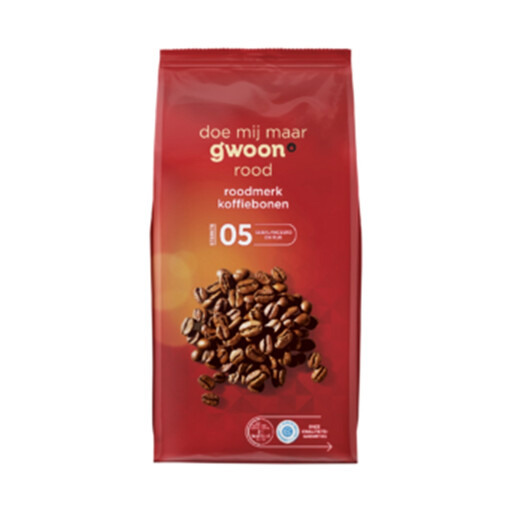
Why it's a match: For those who just want a reliable and delicious cup of coffee without overpaying. Ideal for the office or for home if you drink multiple cups a day. A no-nonsense choice.
You're not paying for expensive marketing, but for a solid product. The medium roast makes it an all-rounder that is unlikely to disappoint.
A balanced, aromatic flavour for a competitive price. Suitable for various brewing methods, from bean-to-cup to filter.
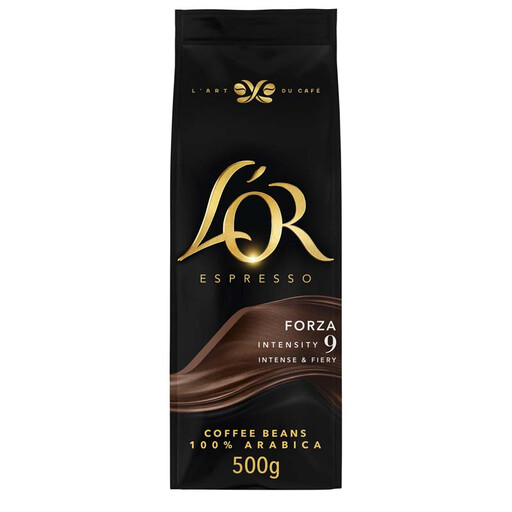
Why it's a match: For those who start their day with an intense, full-bodied espresso. This bean is specially developed for a powerful flavour experience, just as you'd expect from a good espresso.
This blend is specifically composed for strength. The dark roast is not an accident but a deliberate choice for an intense profile that works well in bean-to-cup and portafilter machines.
A full, powerful, and vibrant espresso with a rich body. According to the manufacturer L'OR, the coffee has notes of oak and spices.
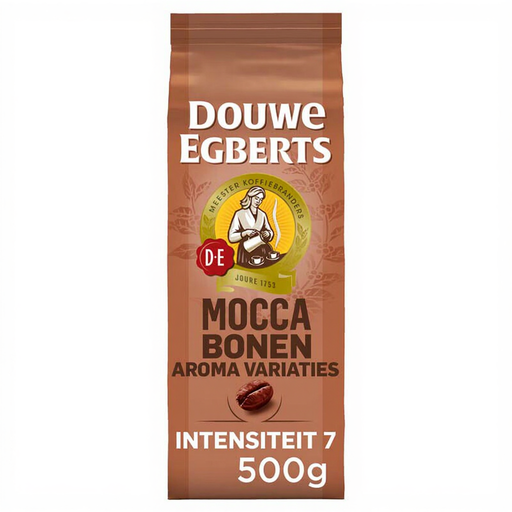
Why it's a match: For the drinker who appreciates the classic, full-bodied taste of traditional coffee. Douwe Egberts is a trusted brand that delivers a consistent, rich, and smooth flavour.
You're choosing a proven blend tailored to a classic palate. No experiments, just a reliable, full-bodied coffee suitable for both filter and bean-to-cup machines.
A rich and full-bodied coffee blend. According to the manufacturer Douwe Egberts, the flavour is subtle and complex, smooth and full-bodied with a pleasant aftertaste.
Whether you're looking for `decaf coffee`, a great `coffee deal`, or a specific bean from `Lavazza` or `L'OR`, there's always a suitable choice. We have a complete overview of products that meet the selection criteria.
1. How should I store coffee beans after opening the bag? The greatest enemies of coffee are air, light, heat, and moisture. After opening, store the beans in the original, well-sealed packaging. Place this bag inside an airtight canister in a cool, dark place, such as a kitchen cupboard. Do not store coffee beans in the refrigerator or freezer; condensation can ruin the flavour.
2. What is the difference between espresso beans and beans for filter coffee? The main difference is usually the roast. Espresso beans are typically roasted darker for a powerful, concentrated flavour that holds up well in a small amount of water. Beans for filter coffee are often medium-roasted for a more balanced and less intense flavour, suitable for a larger cup of coffee. In practice, you can experiment with both, but the roast is a good guideline.
3. Can I use any coffee beans in my bean-to-cup machine? Technically, yes, but it's not always wise. Extremely dark-roasted, oily beans can, over time, contaminate and clog the grinder and brew group of your bean-to-cup machine. This can shorten your machine's lifespan. It's best to choose medium to dark-roasted beans that don't have a visible oily sheen.
