
当日/次日达

品质保障

开启新人专享福利: 全场免邮 | 低至 2 折 | 免费试用 30 天 JoyPlus 会员
下载 Joybuy
When you’re looking to buy coconut water and coconut milk, you’ll quickly come across terms like “100%”, “natural”, “creamy” and “no additives”. These words don’t always tell the full story. A coconut drink might contain sugar, for example, while a product labelled “coconut water” on the front may only be 98.5% coconut water. What’s more, coconut milk and coconut cream differ significantly in fat content and how they’re used.
By checking the ingredients, contents and packaging carefully, you can avoid buying something that doesn’t suit your recipe, dietary preferences or consumption habits. Below are the key points to consider for consumers, vegans, home cooks and hospitality or catering professionals in the UK.
Always check the ingredients list. According to the product information, Grace 100% Coconut Water contains only coconut water. Other varieties also contain cane sugar or fructose. Bamboo Tree, for example, lists 98.5% coconut water and cane sugar. That makes it suitable as a tropical drink, but it’s not the same as 100% coconut water.
The nutritional information also helps when comparing. Grace states 22 kcal and 5 g of sugar per 100 ml. Bamboo Tree states 23 kcal and 4.5 g of sugar per 100 ml. So don’t just look at the front of the packaging.
For a curry, you’ll usually need a different texture than you would for a drink. Coconut milk for curry often has a significantly higher fat content than a light coconut drink. Aroy-D Coconut Milk Cooking contains 19% fat, while Green Life Coconut Milk, according to the product information, contains 5-7% fat.
Coconut cream typically has a thicker consistency. Bamboo Tree Coconut Cream lists 21% fat and 88% coconut extract. That can be handy for desserts, sauces or dishes where you want a full-bodied texture. A lighter coconut milk is better suited to soup, smoothies or a less rich curry.
A bulk pack of coconut water containing 12 x 1-litre cartons is practical for families, offices, cafés and catering, but only if you use it in time. Once opened, coconut water must be kept refrigerated and consumed within the period stated on the packaging. For occasional use, a bottle or small carton of 330 to 500 ml can help reduce waste.
When looking at value packs, also consider storage space, shelf life and the price per litre. A low price per pack means little if some of it goes unused.
Compare the first ingredients on the label. For a product you want as 100% coconut water, coconut water should be listed as the only ingredient. With coconut drink or coconut juice, water, sugar, flavouring, stabilisers or coconut flesh may have been added.
For those following a vegan or vegetarian lifestyle, it’s wise to check the full ingredients list and allergen information. The coconut waters and many coconut milk varieties mentioned are offered as vegan or allergen-free according to the product information provided. Always check the current packaging, especially if recipes have changed.
With coconut milk, the fat content partly determines how full-bodied the texture is:
Also look at the proportion of coconut extract. Aroy-D Original Coconut Milk lists 70% coconut extract, while AROY-D Coconut Milk Cooking lists 60% coconut extract and 19% fat. These values make products easier to compare than general terms like “extra creamy”.
A 400 ml can is handy for one or two dishes. A 1 litre carton is better suited to larger households, meal prep or professional use. Small packs of 150 ml are practical when you only need a small amount.
Unopened UHT products can generally be stored outside the fridge, in a cool, dry place, according to the product information. Once opened, coconut milk and coconut water should be kept in the fridge. Also check whether a can is dented, bulging or leaking, and don’t use it if the packaging is damaged.
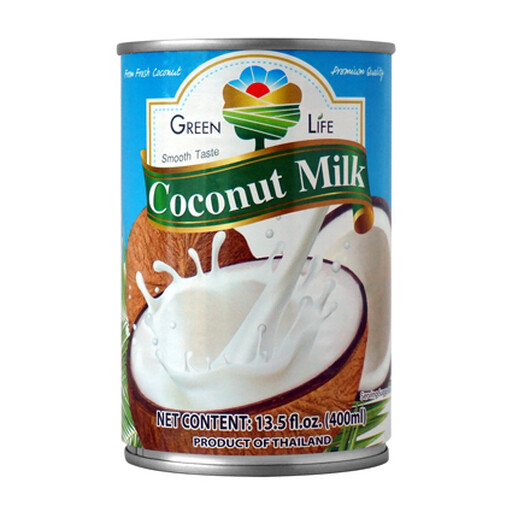
Why this fits the profile: The 400 ml pack is a manageable size for a first curry, soup or smoothie. The stated fat content of 5-7% makes this variety lighter than coconut milk with 17-19% fat.
The fat content is clearly stated, so you don’t have to guess from the word “creamy”.
400 ml, 5-7% fat, vegan according to the product information and suitable for both sweet and savoury dishes.
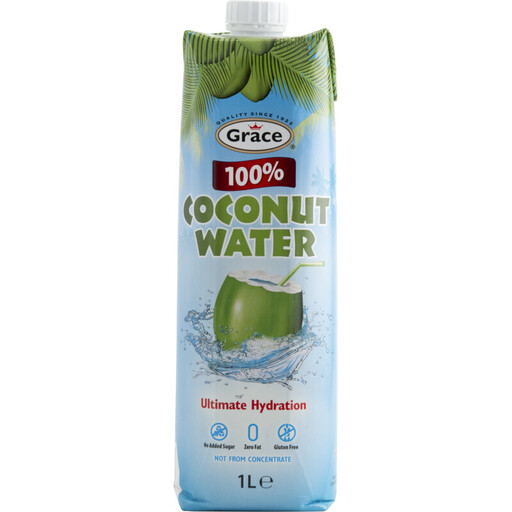
Why this fits the profile: If you’re after a simple ingredient list, this product has coconut water as the only ingredient according to the label, with no added sugar or coconut flesh.
The ingredients list makes it easy to see the difference from sweetened coconut drink.
1 litre of coconut water, 100% coconut water according to the product information and 22 kcal per 100 ml.
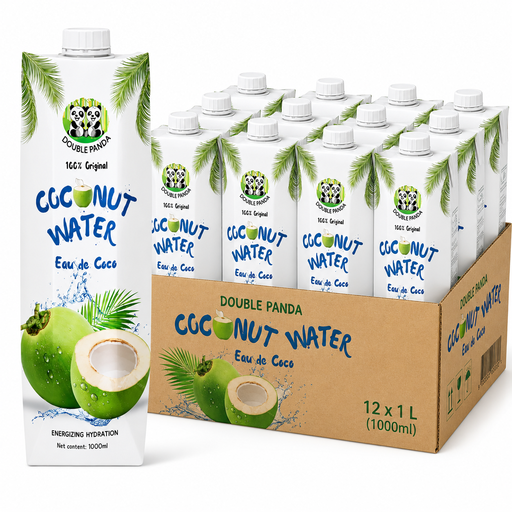
Why this fits the profile: The case of 12 x 1 litre cartons is designed for families, offices, hospitality and catering with regular consumption.
The number of cartons and the size are clear upfront, so you can match your stock to your actual usage.
12 x 1 litre, suitable for drinking chilled or using in smoothies, cocktails and recipes.
We’ve put together a full, up-to-date list of products that fully meet these strict selection criteria and comply with current European safety regulations.
Coconut water is the liquid from young coconuts and is usually sold as a drink. Coconut milk is made from coconut flesh and water and has a creamier texture. Coconut milk is mainly used in curries, soups, desserts and baking recipes.
That depends on the texture you want. A variety with 17-19% fat, such as AROY-D Coconut Milk Cooking or Sunlee Coconut Milk 17-19%, generally gives a richer sauce. For a lighter curry, you can use a variety with 5-7% fat. Always check the ingredients and nutritional information on the packaging.
Store opened coconut water in the fridge and follow the period stated on the packaging. Grace, for example, recommends consumption within the stated period, while some product information mentions a period of around two to three days. Seal the carton well and check the smell, taste and appearance before using it.
