
Vandaag of morgen in huis

Kwaliteit gegarandeerd

Welkomstaanbiedingen ontgrendelen: GRATIS bezorging | Tot 80% korting | Gratis 30 dagen JoyPlus-proefperiode
Download de app
Coconut water is available as 100% coconut water, coconut drinks with fruit, and coconut juice with added sugar. This might make comparing seem straightforward, but packaging and product names can be misleading. If you only look out for words like "natural", "electrolytes" or "tropical", you could end up paying for a drink that doesn't suit your intended use.
Watch out for these three common pitfalls:
Confusing coconut water with coconut drink or coconut juice
Coconut water comes straight from the coconut. Coconut juice can also contain coconut extract, sugar, flavourings or stabilisers. Always check the ingredients list.
Confusing "no added sugar" with sugar-free
Pure coconut water naturally contains sugars. "Coconut water with no added sugar" doesn't automatically mean it's sugar-free. Look at the nutritional values per 100 ml.
Buying a large multipack without working out how you'll use it
A box of 12 x 1 litre packs is practical for a family, office or catering business, but less suitable if you want to try a product first. For on-the-go, 330 ml or 500 ml packs are more convenient.
For 100% coconut water, the ingredients list should be as simple as possible: coconut water. Chaokoh, for example, states "Coconut Water (100%)". According to the product information, Cocomax is made from 100% pure coconut water and contains no added sugar.
It's different for blended drinks. According to the product information, FOCO Coconut Water with Lychee contains coconut water, 5% lychee juice and vitamin C. That's a fruity coconut drink, not pure coconut water. FOCO Roasted Coconut Water, according to the label, contains 99.2% coconut water, plus sugar and flavouring.
The term "organic coconut water" refers to the production method and certification, not automatically to the taste or nutritional value. For organic products, check the certification mark and the full packaging.
Compare the values per 100 ml, not just per bottle or pack. In the product information provided, coconut water ranges from around 18 to 21 kcal per 100 ml. Natural sugars are roughly between 3.5 and 5.0 grams per 100 ml, depending on the brand and recipe.
Some packs mention coconut water with electrolytes. Potassium, magnesium, calcium and sodium are minerals that can be found in coconut water. Use the nutritional information table to verify this: the amounts can vary from product to product. Brand descriptions about "recovery", "energy" or similar effects are not fixed product properties. According to the brands' own information, it's a drink for daily consumption or after exercise; choose based on the stated composition and your own preference.
According to the product information, unopened packs can often be stored outside the fridge in a cool, dry place. Once opened, coconut water should generally be refrigerated and consumed within the time stated on the label. Chaokoh, for example, states that the product should be refrigerated after opening and consumed within seven days. Always follow the packaging instructions, as the time frame varies by product.
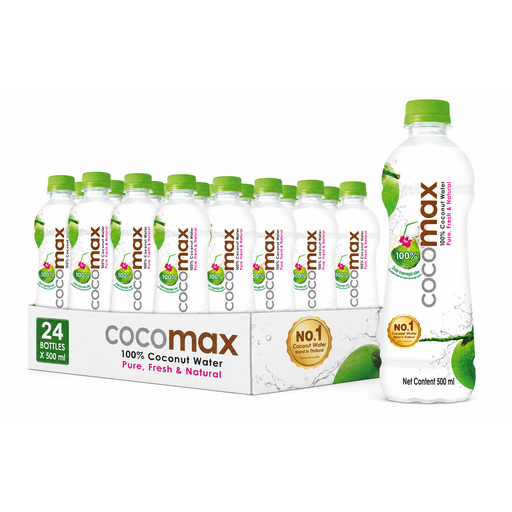
Why this suits the profile: The 12 x 500 ml packs offer a manageable portion for daily use, without having to commit to a litre pack straight away.
The product information states 100% coconut water and no added sugar. Do check the current label before purchasing.
12 × 500 ml, 21 kcal and 4.5 g sugar per 100 ml according to the product information; suitable for drinking chilled.
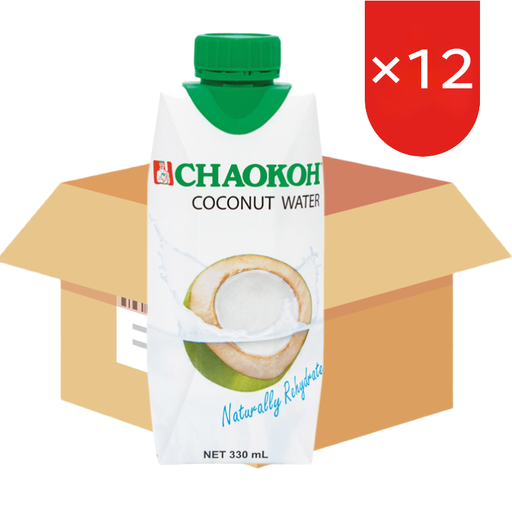
Why this suits the profile: The 330 ml portions are ideal for those who value a pure taste, Thai origin and a compact pack.
The ingredients list states 100% coconut water, with no added sugar, preservatives or artificial additives.
12 × 330 ml, sourced from Thailand and, according to the product information, suitable for vegetarians and vegans.
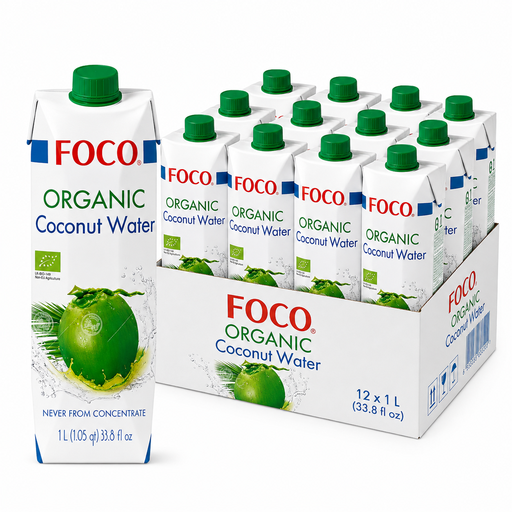
Why this suits the profile: A box of 12 litre packs is ideal for families, offices, catering businesses or sports groups who regularly serve coconut water.
The product name states organic; check the certification mark and the current ingredients on the packaging before ordering.
12 × 1 litre and, according to the product information, sourced from Vietnam; suitable for stocking up and shared use.
For a neutral drink, smoothie or sports bag, you'll typically choose a product with one main ingredient: coconut water. If you're after more flavour, you can opt for coconut water with lychee, roasted coconut or coconut juice. Bear in mind that these varieties may contain extra sugar, fruit juice, flavourings or coconut extract.
A product like FOCO Coconut Juice Original contains, according to the product information, water, coconut extract, sugar, stabiliser and flavouring. It therefore falls into a different category from 100% coconut water. Even a fruit drink like Capri-Sun Jungle Juice is not coconut water, but a mix of fruit juices and sugar. So don't just look at the picture of a coconut on the pack; check the ingredients list.
We've put together a full, up-to-date list of products that fully meet these strict selection criteria and comply with current European safety regulations.
No. Coconut water is the liquid from the coconut. Coconut juice can be made with coconut extract and sometimes contains sugar, flavourings or stabilisers. Check the ingredients list to see the difference.
This varies by brand and packaging. Store opened coconut water in the fridge and follow the time stated on the label. Some products recommend consumption within a few days; Chaokoh states, according to the product information, a maximum of seven days.
A multipack can be practical and lower the price per pack, but compare the price per litre. A 12-pack of 330 ml contains 3.96 litres, while a box of 12 x 1 litre packs contains twelve litres. Choose the size you'll actually use up before the best-before date approaches.
