
Vandaag of morgen in huis

Kwaliteit gegarandeerd

Welkomstaanbiedingen ontgrendelen: GRATIS bezorging | Tot 80% korting | Gratis 30 dagen JoyPlus-proefperiode
Download de app
Coconut water is a popular refreshing drink for home, on the go, or after exercise. Yet packaging often looks more alike than the ingredients list would suggest. A product with a tropical image and words like “natural” doesn’t automatically mean it’s 100% coconut water.
The main pitfalls when buying coconut water are:
If you want a natural coconut drink with a simple composition, look at the ingredients list. A pure variety will list only “coconut water”. The product IF 100% Coconut Water 1.0L lists coconut water as the sole ingredient. Cocomax also states in its product information that it is 100% coconut water with no added sugar.
A product with 98.5% coconut water and cane sugar is different from 100% coconut water. That’s not necessarily a problem, but it’s important to know what you’re buying. Drinks with pulp, flavourings or fruit syrup have a different composition again.
Coconut water with no added sugar can naturally contain sugars. That doesn’t mean it’s sweetened. So compare:
Cocomax states per 100 ml: 21 kcal, 5.3 g carbohydrates and 4.5 g sugars. These values come from the product information and don’t mean the drink is the right choice for everyone. IF also states 21 kcal per 100 ml and, according to the ingredients list, uses only coconut water.
A 1 litre coconut water is practical for the fridge and for use in smoothies or mocktails. After opening, follow the storage advice on the packaging. Different products recommend keeping the drink refrigerated and consuming within 48 hours to 3 days.
For regular use, coconut water in bulk can be more economical and practical. A 12-pack of coconut water with 1-litre cartons contains 12 litres in total. That suits a household with multiple users, an office or a professional kitchen. For individual use on the go, smaller packs are more convenient and leave less leftover after opening.
The origin can influence taste expectations, but it’s not an independent guarantee of quality. Thai coconut drink may, for example, have a sweeter taste, while Vietnamese products use different recipes. Always check the actual ingredients list.
Also pay attention to the name:
Brands may make additional claims about electrolytes, hydration or origin. Treat these as information from the brand itself. For example, the product description for Cocomax mentions natural electrolytes and use after exercise; this is a brand claim, not a general guarantee for sports recovery. For everyday drinking, the ingredients list remains the verifiable foundation.
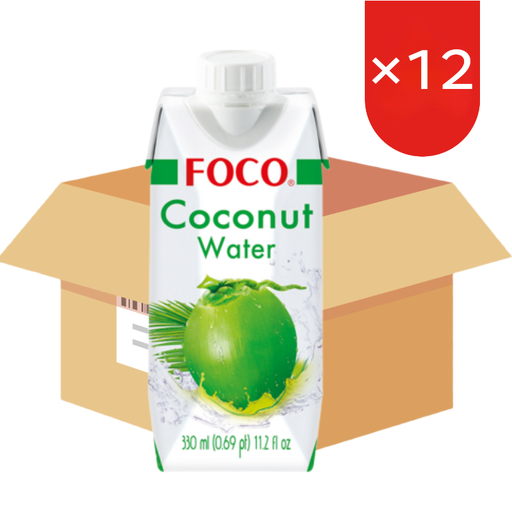
Why this suits the profile: The 330 ml portions are manageable for anyone wanting to try coconut water first or looking for a small supply for on the go. According to the product information, this variety contains 100% coconut water.
The product information lists no added ingredients and makes it clear this is coconut water, not coconut milk or a sugary coconut juice.
12 individual 330 ml packs; can be stored at room temperature when unopened, according to the product information.
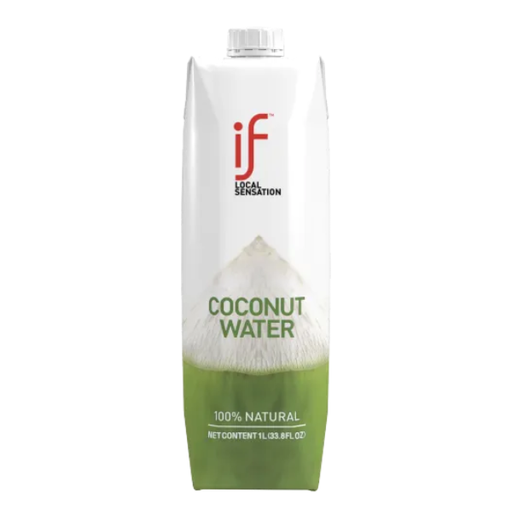
Why this suits the profile: This 1-litre pack is aimed at consumers who value a pure composition and Thai young coconut as origin information.
The ingredients list states coconut water (100%), with no sugar, flavourings or other added ingredients in the supplied product information.
1 litre per pack; 21 kcal per 100 ml according to the product table; serving chilled is recommended.
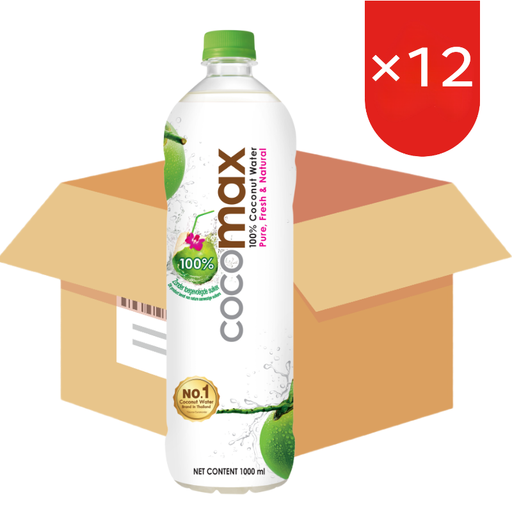
Why this suits the profile: A box of twelve 1-litre packs is suitable for a large household, gym, office, hospitality or catering where drinks are served regularly.
The product description states 100% coconut water and no added sugar. This makes it clearer what you’re buying per pack than with a general coconut drink.
12 packs of 1 litre; 21 kcal per 100 ml according to the stated nutritional values; suitable for serving chilled, with ice or in smoothies.
We’ve put together a full, up-to-date list of products that fully meet these strict selection criteria and comply with current European safety regulations.
No. Coconut water can consist of 100% coconut water, whereas coconut drink may contain extra water, sugar, pulp, flavouring or other ingredients. So read the ingredients list and compare the sugar content per 100 ml.
Many athletes choose coconut water as a light, refreshing drink after exertion. Brands may talk about electrolytes or hydration; according to the product description for Cocomax, that’s a use occasion for which the product is recommended. The precise suitability depends on your exertion, diet and personal circumstances. It is not a substitute for individual nutritional advice.
That varies by brand and packaging. Many products recommend refrigeration after opening and consumption within 48 hours to 3 days. Always check the label. An unopened pack can usually be stored outside the fridge, in a cool, dry place away from direct sunlight, according to the product information.
