
Vandaag of morgen in huis

Kwaliteit gegarandeerd

Welkomstaanbiedingen ontgrendelen: GRATIS bezorging | Tot 80% korting | Gratis 30 dagen JoyPlus-proefperiode
Download de app
At first glance, coconut water seems simple enough to pick. However, products vary widely in ingredients, sugar content, packaging and portion size. A pack labelled “coconut drink” can be quite different from 100% coconut water. Likewise, a large carton isn’t automatically better value if you only drink it occasionally.
As Joybuy’s Product Recommendation Officer, I’ve filtered the key product information so you can compare with confidence. Below, you’ll find the common pitfalls to watch out for and the specifications that matter most for home, office, hospitality or catering use.
The term “coconut drink” doesn’t always tell you how much coconut water the product actually contains. Always check the ingredients list. In some varieties, coconut water or coconut water concentrate appears near the top, while others are mostly water, sugar, syrup, flavourings or coconut extract.
A product with 98.5% coconut water and cane sugar has a different composition from one that contains only coconut water. Both can fit within the tropical drink category, but they are not the same thing.
Coconut water with no added sugar can still contain naturally occurring sugars. “No added sugar” does not automatically mean “sugar-free”. Look at:
According to the product information, Grace 100% Coconut Water lists only coconut water as an ingredient. Its nutritional value is 5 grams of sugar per 100 ml. Vietcoco states 99% coconut water, less than 1% fructose and vitamin C.
A can or bottle of 250 to 500 ml is practical for on-the-go, a packed lunch or a single serving. For a household, office or catering business, coconut water in bulk can be more economical and convenient. Just bear in mind storage space, shelf life and the storage instructions once opened.
A box of 12 packs of 330 ml, for example, contains 3.96 litres. A multipack of 12 cartons of 1 litre holds 12 litres, but also takes up more room in your cupboard.
Check whether you’re looking for 100% coconut water, coconut water with pulp, or a blended coconut drink. Products with pieces of coconut can offer a different drinking experience. According to the product description, IAM Superjuice Coconut Water contains 100% pure coconut water and 2% real coconut pieces.
Bamboo Tree Coconut Water – 1 L is listed as 98.5% coconut water with cane sugar. That’s important to know if you’re specifically after coconut water with no added sugar.
Always compare using the same unit of measurement. A 1-litre bottle may have little sugar per 100 ml, but in total it provides ten times that amount. Values vary by brand and recipe.
Pay particular attention to:
The nutritional information on the packaging is the definitive source. Product details in an online shop can change, so check the actual label when your order arrives.
Coconut water in 1-litre cartons is ideal for pouring at home or using in recipes. A can is easy to chill and take with you, but once opened it usually needs to be kept refrigerated and consumed quickly. Always follow the manufacturer’s specific instructions.
For vegans and those keeping an eye on allergens, there are varieties whose product information lists none of the 14 major EU allergens. Check this on a product-by-product basis, because a general claim for all coconut water would not be accurate. Likewise, “gluten-free coconut water” should be assessed against the label and product information for each individual pack.

Why this fits the profile: The box contains 12 servings of 330 ml each. That’s handy for individual drinks at home, on the go or in the office, without having to open a litre carton every time.
The product description states 100% coconut water and no added sugar. This lets you compare the composition directly against sweeter coconut drinks.
330 ml per can, 2% real coconut pieces according to the product information, vegan and gluten-free as per the listed specifications.
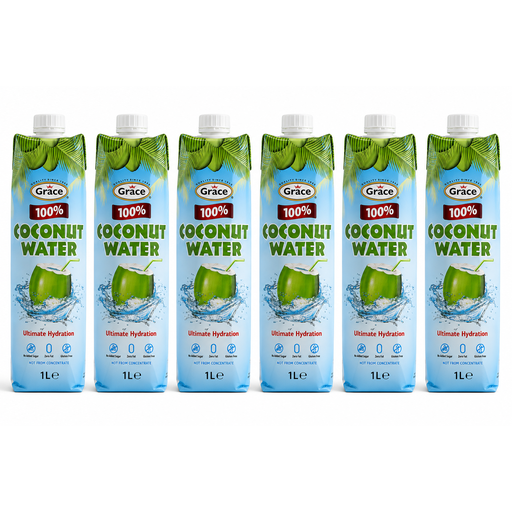
Why this fits the profile: The 1-litre carton is ideal for pouring, cooking, smoothies or keeping a stock for the whole family.
According to the product information, this product consists of coconut water with no added sugar and no pulp. That keeps the ingredients list nice and simple.
Six cartons of 1 litre, only coconut water listed as an ingredient, and a stated nutritional value of 22 kcal per 100 ml.
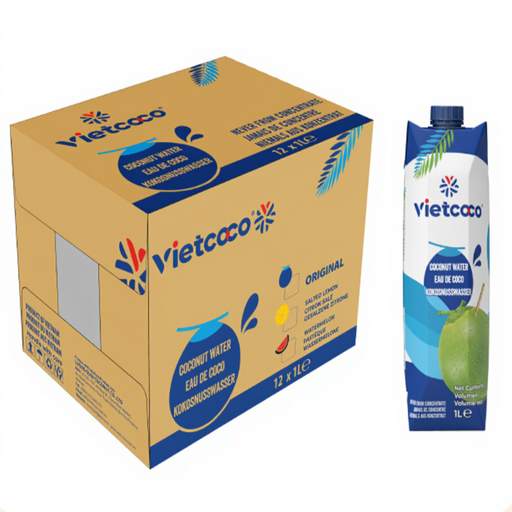
Why this fits the profile: The 12-litre case suits offices, hospitality venues, catering businesses and households that regularly pour or cook with coconut water.
The coconut water content is clearly stated as 99%, with less than 1% fructose. This makes the difference from a completely unsweetened variety easy to see.
12 cartons of 1 litre, 22 kcal and 5 grams of sugar per 100 ml according to the stated nutritional values, plus a recyclable packaging as per the product information.
We’ve put together a full, up-to-date list of products that fully meet these strict selection criteria and comply with current European safety regulations.
Not every tropical drink is an alternative to coconut water. According to the product information, Maaza Guava Drink contains 17% guava juice from concentrate and sugar. Maaza Mango Drink contains 17% mango purée, lemon juice and sugar. These drinks are better suited if you’re after a sweeter fruit flavour.
A can of coconut water can also contain extra ingredients. Coco Rico Coconut Water With Pulp Can lists carbonated water, sugar or glucose-fructose syrup, coconut extract and preservative E211, among other things. This is therefore a different composition from a product that contains only coconut water.
For those who enjoy fizzy tropical drinks, there are also varieties with pineapple or passion fruit. When looking at these, pay particular attention to the sugar content and the ingredients list. The term “tropical drink” on its own tells you nothing about the nutritional value.
No. Some products consist only of coconut water, but others contain cane sugar, fructose, sugar or syrup. Always check the ingredients list and nutritional values. Grace lists only coconut water; Vietcoco lists coconut water and less than 1% fructose.
This varies by packaging. Many products need to be refrigerated after opening and consumed within the period stated on the label. According to the product information, Grace recommends a maximum of two days after opening. Always follow the instructions on the packaging.
It can be, but check the product information for each brand. IAM Superjuice is listed as vegan and gluten-free. For other products, the allergen information may differ. So don’t rely solely on the product category – read the actual packaging.
