
Vandaag of morgen in huis

Kwaliteit gegarandeerd

Welkomstaanbiedingen ontgrendelen: GRATIS bezorging | Tot 80% korting | Gratis 30 dagen JoyPlus-proefperiode
Download de app
Coconut water is available as 100% coconut water, coconut drinks with pulp, fruity varieties, or large multipacks. This wide selection does not always make comparisons easy. For example, packaging covered in tropical imagery may contain mostly sugar water, while a large carton is less convenient if you only drink it occasionally.
Do not rely solely on the brand name or claims such as “natural hydration”. Check the ingredients, nutritional values, volume and storage instructions. This will help you choose coconut water that suits your household, workouts or pantry.
Not every coconut drink consists entirely of coconut water. According to the product information, OKF Coconut Drink contains, among other ingredients, water, 5% coconut water, coconut fibre, fructose, sugar and coconut flesh. This makes it a sweeter drink with a different composition from 100% coconut water.
Bamboo Tree Coconut Water also contains, according to the label, 98.5% coconut water and cane sugar. This may be a good choice for anyone looking for a sweeter tropical drink, but not for those specifically seeking coconut water without added sugar.
“No added sugar” does not mean that a drink is sugar-free. Coconut water naturally contains sugars. Cocomax, for example, lists 4.5 grams of sugar per 100 ml, while Grace lists 5 grams per 100 ml. Always compare the nutritional values per 100 ml, rather than relying solely on the front of the packaging.
A fruit variety such as FOCO Coconut Water with Lychee also contains 5% lychee juice. The flavour is sweeter and fruitier, but the composition differs from pure coconut water.
A 1-litre carton of coconut water is practical for families, smoothies or a shared refrigerator. A multipack containing 8 or 12 litres makes most sense when several people drink it regularly or when you want to build up a supply. Once opened, the carton must be refrigerated and consumed within the period stated on the packaging. Check the instructions for each brand: Grace, for example, recommends consumption within two days, while other products specify a longer period.
Look for a short ingredients list. Products that list only “coconut water” as an ingredient are pure varieties. Examples include:
When sugar, fructose, fruit juice or pulp is added, the flavour and nutritional values change. That is not necessarily a disadvantage, but the product should match your reason for buying it.
Coconut water with electrolytes usually refers to naturally occurring minerals such as potassium and magnesium. The quantities vary from one product to another. Chaokoh lists, per 100 ml, 149 mg of potassium, 6.49 mg of magnesium and 22.8 mg of sodium. KARA lists 180 mg of potassium per 100 ml.
According to the brands’ own product information, coconut water is often positioned as a drink for after exercise or during everyday activities. Treat this as a beverage choice rather than a medical benefit. During intense exercise, in hot weather or for a specific nutritional goal, personal circumstances and your overall diet may matter more than any single drink.
Choose the format based on how you plan to use it:
Also consider storage. According to the packaging, unopened cartons can often be stored outside the refrigerator. Once opened, they should generally be refrigerated. If natural separation or slight cloudiness is visible, gently shake the carton, provided the label recommends doing so.
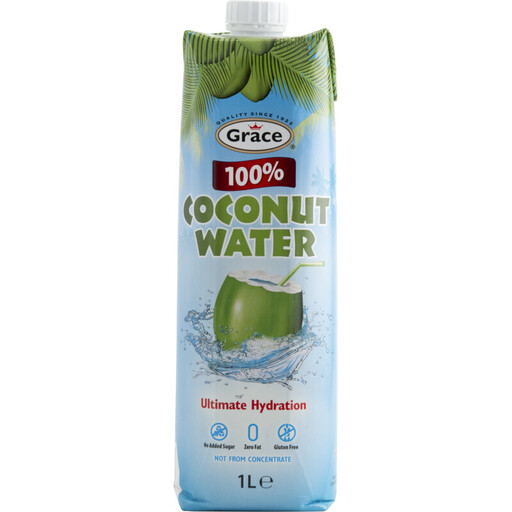
Why it suits this profile: A convenient 1-litre format for trying pure coconut water without committing to a large supply straight away.
The product information lists coconut water as the ingredient and does not mention added sugar or pulp. Check the current packaging for the definitive details.
1 litre; 22 kcal and 5 grams of sugar per 100 ml according to the stated nutritional values.
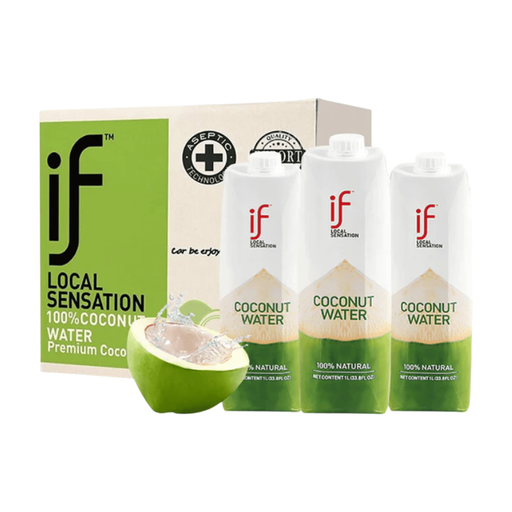
Why it suits this profile: For anyone who values Thai coconut water, a concise ingredients list and a generous supply for home or shared use.
The description states that it contains 100% coconut water, with no added sugar, colourings or preservatives.
12 1-litre cartons; according to the product information, 21 kcal per 100 ml, with serving chilled recommended.
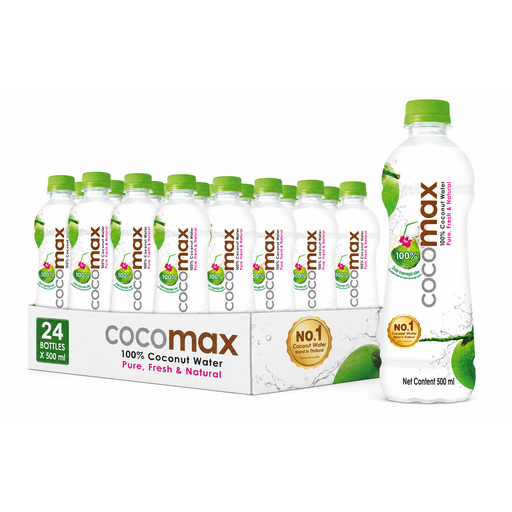
Why it suits this profile: The 500 ml cartons are easy to take to the gym, work or on a day out, making them well suited to regular use.
The product description states that it contains 100% coconut water with no added sugar. This makes its composition clearer than that of sweetened coconut drinks.
12 x 500 ml cartons; 21 kcal, 5.3 grams of carbohydrates and 4.5 grams of sugar per 100 ml according to the stated values.
We have compiled a complete, up-to-date list of products that fully meet these strict selection criteria and the applicable European safety regulations.
For everyday drinking, a small carton or 1-litre format is often sufficient. If you want to drink coconut water after exercise, pay particular attention to serving size, carbohydrates, sugars and the minerals listed in the nutritional table. The term “recovery” in a product description is a marketing expression used by the brand; it is not a guarantee of a specific result.
Pure coconut water is generally the most versatile choice for smoothies and cocktails. A lychee or pulp variety adds extra flavour and texture. The varieties mentioned are generally suitable for vegans and vegetarians based on the ingredient information provided, but always check the current label if you are unsure.
No. Coconut water with no added sugar still contains naturally occurring sugars. Check the number of grams of sugar per 100 ml. Products containing cane sugar, fructose or fruit juice also contain added or additional sources of sugar.
This varies by brand and packaging. Refrigerate opened coconut water and follow the time limit stated on the label. Grace’s product information, for example, specifies a maximum of two days, while Chaokoh states up to seven days. The packaging of the product you purchased is the final authority.
A multipack can be practical if you drink coconut water regularly, share it with several people or need a supply for the office. Compare the price per litre and take the product’s shelf life after opening into account. For occasional use, a 330 or 500 ml format can help reduce waste.
