
Vandaag of morgen in huis

Kwaliteit gegarandeerd

Welkomstaanbiedingen ontgrendelen: GRATIS bezorging | Tot 80% korting | Gratis 30 dagen JoyPlus-proefperiode
Download de app
Coconut milk is a convenient way to give sauces, curries, soups, desserts and drinks a creamy texture. Yet many packages look more alike than they really are in practice. For example, one 400 ml tin may have a low fat content, while another variety in the same size contains almost four times as much fat. Coconut cream is also regularly sold as coconut milk, even though the two products are used differently.
If you want to buy coconut milk with a specific use in mind, it is therefore worth looking beyond the brand or packaging. Pay particular attention to the fat percentage, the ingredients list and the quantity you actually need.
Terms such as “creamy”, “authentic” or “natural” do not automatically guarantee a particular cooking experience. A brand’s product description may mention these qualities, but the verifiable information is on the label: the percentage of coconut extract, the fat content and any stabilisers.
Thai coconut milk with 17 to 22% fat will generally provide a fuller texture than a variety with 5 to 7% fat. That does not mean a lower fat percentage is unsuitable. It can actually be practical for smoothies, light soups or recipes where you want the coconut flavour to be less dominant.
Coconut cream usually contains more coconut solids and fat than regular coconut milk. This makes it thicker and more concentrated. If you use coconut cream in a recipe that calls for coconut milk, the sauce may become too heavy. Conversely, coconut milk may not provide enough body when you need a thick topping or concentrated base.
So look out for terms such as “coconut cream”, “coconut cream” and the fat percentage. A product such as KARA Coconut Cream UHT contains 24% fat according to the product description and is intended as a base for sauces and cocktails. This is a different use from regular coconut milk for curry.
One-litre coconut milk is useful for families, professional kitchens or anyone preparing several dishes in succession. After opening, the packaging should be properly sealed and stored according to the product information and label. If you only use 150 to 250 ml at a time, smaller packs can help reduce waste.
For a meal for one, a 165 ml tin or a 250 ml pack may be more practical. So do not just calculate the price per pack; also consider the price per 100 ml and the amount you are likely to use.
The fat percentage is a useful first filter:
Nutritional values vary by brand. For example, Go-Tan Coconut Milk 400 ml lists 17 grams of fat per 100 ml, while Aroy-D Original Coconut Milk 1L lists 19 grams of fat per 100 ml. According to the product information, Green Life 400 ml contains 5 to 7% fat.
Check how much coconut extract the product contains and which additives have been included. Some varieties contain only coconut extract and water. Others use guar gum, xanthan gum, E466 or E435 as a stabiliser, thickener or emulsifier.
This does not automatically make a product unsuitable. However, it does help you make an informed choice. If a short ingredients list is important to you, you could consider AROY-D Coconut Milk [A] 19% Fat 400ml, whose product description lists coconut extract and water. Always check the current packaging, as labels may change.
Choose the size based on your cooking routine:
According to the product descriptions, UHT packs such as those from Mae Ploy and KARA can be stored outside the fridge in a cool, dry place before opening. After opening, always follow the instructions on the packaging.
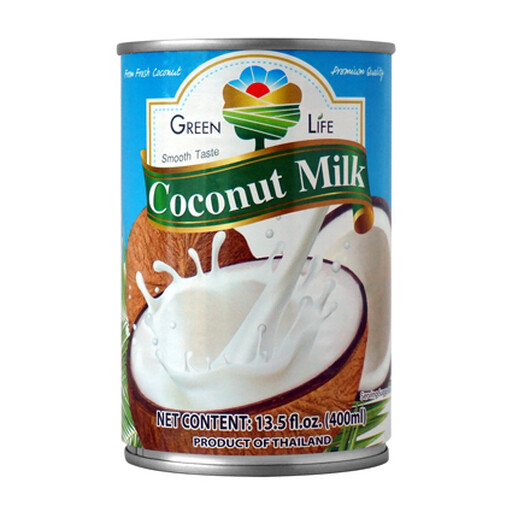
Why it suits this profile: The 400 ml size is manageable for home use, while the 5–7% fat content suits anyone looking for a milder coconut milk for cooking.
The clear 5–7% fat indication helps prevent you from accidentally choosing a much heavier coconut cream variety.
400 ml, 5–7% fat and, according to the product description, vegan and free from artificial colourings and preservatives.
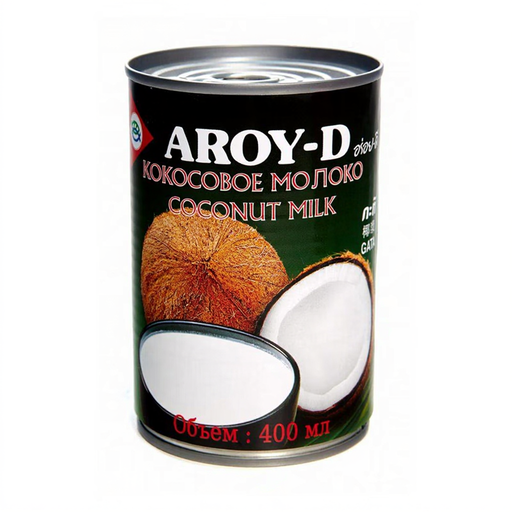
Why it suits this profile: The combination of 19% fat and a 400 ml pack is well suited to Thai curries, soups and desserts that call for a rich base.
The product description lists only coconut extract and water, helping you avoid a variety with a long list of stabilisers.
19% fat, 400 ml and, according to the product information, sourced from Thailand.
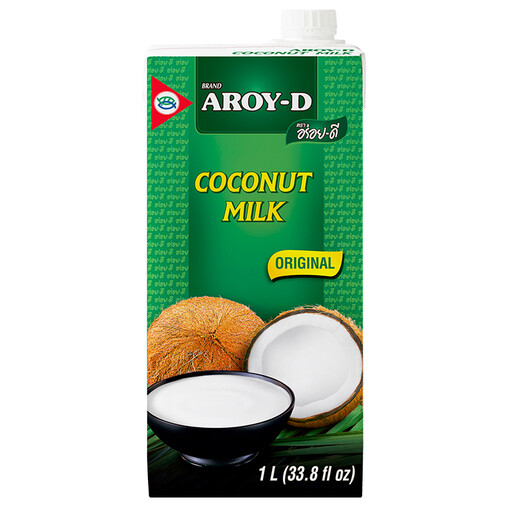
Why it suits this profile: A one-litre pack is ideal for professional kitchens, larger households and anyone who regularly uses coconut milk for curries or desserts.
The large size means you do not need several smaller packs, but only buy it if you will use the contents in good time.
1 litre, 19 grams of fat per 100 ml and, according to the product description, suitable for curries, desserts and drinks.
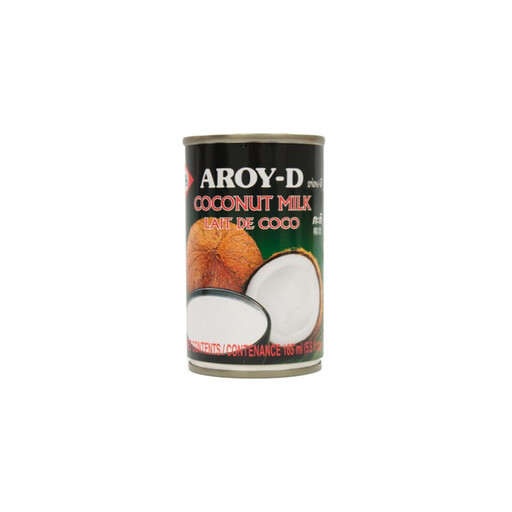
Why it suits this profile: The small pack is practical for a meal, drink or dessert where you do not want to store leftover coconut milk.
The size reduces the chance of opened coconut milk being left unused.
165 ml, 18 grams of fat per 100 ml and, according to the product description, suitable for vegan and lactose-free diets.
We have put together a complete, up-to-date list of products that fully meet these strict selection criteria and the applicable European safety regulations.
For a Thai curry, a variety containing around 17–19% fat is often a practical choice, as it provides enough structure without being coconut cream. For desserts, puddings and cocktails, you may want to consider a higher-fat coconut cream. For example, Sunlee Coconut Cream 400 ml lists 20–22% fat.
For baking, coffee or smoothies, a milder coconut milk may be sufficient. However, always check the full ingredients list and allergen information for vegan coconut milk and lactose-free coconut milk. “Vegan” and “lactose-free” do not mean that the product is suitable for someone with a coconut allergy. The product information may also vary from one pack to another.
No. Coconut cream is usually more concentrated and often contains more fat. Check the product name and fat percentage before adding it to a recipe.
That depends on the recipe and the number of portions. Many dishes use around one 400 ml pack for several people. Check the method and add the coconut milk gradually so you can control the thickness of the sauce.
Store opened coconut milk according to the label, tightly sealed and generally refrigerated. Use it within the stated period after opening. Discard the pack if it is damaged, leaking or swollen. Before buying, also check the best-before date and choose a size that suits your consumption.
