
Vandaag of morgen in huis

Kwaliteit gegarandeerd

Welkomstaanbiedingen ontgrendelen: GRATIS bezorging | Tot 80% korting | Gratis 30 dagen JoyPlus-proefperiode
Download de app
A tin of coconut milk seems simple enough to pick, until you’re standing in front of the shelf. The fat content varies widely, packaging ranges from 165 ml to 1 litre, and terms like coconut milk, coconut cream and santen are sometimes used interchangeably. As a result, you could end up paying for a product that doesn’t suit your recipe.
When buying coconut milk, watch out for three common pitfalls:
The fat content is a practical point of comparison. For coconut milk for curry, a percentage of around 17-19% is often suitable when you want a full-bodied sauce. Products with 20-22% give a richer, thicker texture. According to the product information, Sunlee Coconut Milk contains 17-19% fat, while Sunlee Coconut Milk 20-22% states a higher content.
A variety with 5-7% fat, such as Green Life Coconut Milk 400 ml, is thinner and milder. It can work well in soups, smoothies, desserts or recipes where you want the other ingredients to shine through. Always check whether the fat content is stated per 100 ml or per 100 grams.
A recipe that calls for 400 ml of coconut milk can therefore turn out differently if you use 400 ml of coconut cream. Diluting is sometimes possible, but check the preparation instructions of the recipe.
A pack of coconut milk 400 ml is practical for one curry or a small pan of soup. For a family, professional kitchen or regular use, coconut milk 1 litre can be more economical and convenient. Aroy-D Original Coconut Milk is available as a 1-litre pack and also as a case of 12 units.
Small packs, such as Aroy-D Coconut Milk Small 165 ml, help reduce leftovers. That’s handy when you only need a small amount for a dessert, smoothie or sauce. Once opened, the product should generally be kept refrigerated and used within the period stated on the packaging.
Coconut milk in a tin has a long shelf life when stored in a cool, dry place away from direct sunlight. Before use, check the tin for dents near the seal, leakage or bulging. With natural coconut milk, solid coconut cream may settle on top. Shaking or stirring helps to recombine the contents.
UHT coconut milk is made shelf-stable through heat treatment and is often sold in a carton. According to the product information, KARA Coconut Milk Classic UHT contains 17% fat and is available in 400 ml. A litre pack, such as Mae Ploy Blue Coconut Milk UHT, is better suited to heavy use. UHT products can be stored unopened outside the fridge according to the stated storage instructions; after opening, follow the label.
Also look out for additives. Some varieties contain only coconut extract and water, while others include a stabiliser, thickener or emulsifier. That’s not automatically a drawback, but it can be relevant if you’re looking for a short ingredients list. Also check allergen information. Coconut is not on the list of the 14 main EU allergens, but people with a coconut allergy should still read the label carefully.
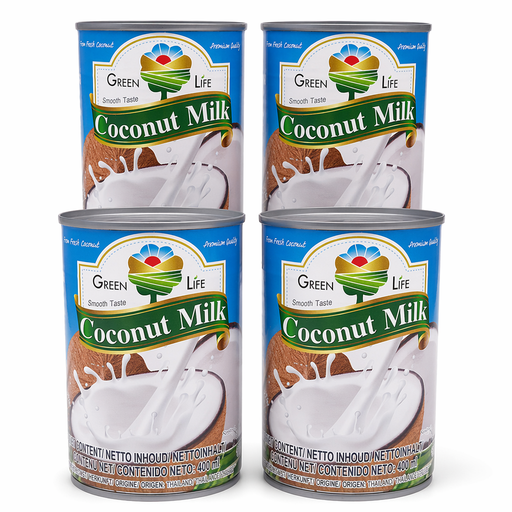
Why this suits the profile: Four 400 ml packs give you multiple cooking sessions without having to open a large 1-litre pack straight away. The stated fat content of 5-7% suits mild curries, soups and smoothies.
The volume per tin and the fat content are clearly stated. This means you won’t accidentally buy a concentrated coconut cream for a recipe that calls for thinner coconut milk.
400 ml per pack; according to the product information, vegan, lactose-free and gluten-free; 5-7% fat.
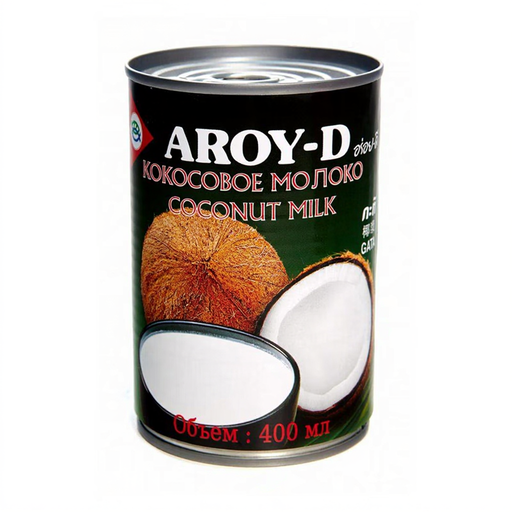
Why this suits the profile: Home cooks looking for a short ingredients list and a full-bodied base for Thai dishes can compare this 400 ml variety at 19% fat.
The product information states coconut extract and water, with no stabilisers. Check the label on delivery for the current composition.
19% fat; 400 ml; according to the product description, only coconut extract and water.
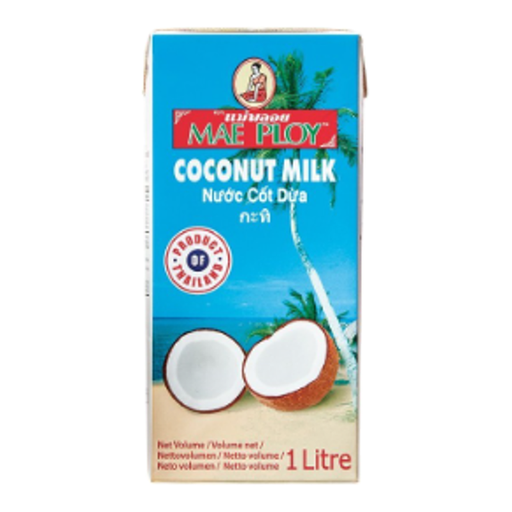
Why this suits the profile: A heavy user, professional kitchen or family can benefit from a 1-litre pack. According to the product information, the UHT pack can be stored unopened outside the fridge.
The litre pack means you don’t have to open lots of small tins for multiple portions. Just plan ahead how quickly you’ll use the opened pack.
1 litre; 19% fat; UHT processing; according to the product information, no artificial colours or preservatives.
We’ve put together a full, up-to-date list of products that fully meet these strict selection criteria and comply with current European safety regulations.
No. Coconut cream generally contains more coconut extract and fat and is therefore thicker. It can be suitable for a curry if you want a full-bodied sauce; for a soup or drink, coconut milk is usually more practical.
This varies by pack. Store opened coconut milk in the fridge, seal the pack well and follow the time stated on the label. Always smell and check whether the product still seems normal. Do not use a product from a damaged, leaking or swollen tin.
For Thai curries, many home cooks choose a variety around 17-19% fat, such as AROY-D Coconut Milk 19% Fat or Mae Ploy Blue Coconut Milk UHT. The desired thickness also depends on the amount of stock, curry paste and vegetables in the recipe.
