
Vandaag of morgen in huis

Kwaliteit gegarandeerd

Welkomstaanbiedingen ontgrendelen: GRATIS bezorging | Tot 80% korting | Gratis 30 dagen JoyPlus-proefperiode
Download de app
Coconut milk might seem like a straightforward pantry staple at first glance. Yet tins, cartons and concentrated coconut cream differ considerably in composition, fat content and use. If you only look at the packaging or brand name, you could end up with a watery curry, a lumpy dessert, or a large carton that sits half-used in the fridge.
Watch out for three common pitfalls:
The fat content largely determines how full and creamy your dish will be. Coconut milk with around 17 to 19% fat is practical for curries, soups, sauces and many desserts. A higher percentage, such as 21 to 24%, is better suited to coconut cream for cooking, thick sauces, baking recipes and cocktails.
A lower fat content can work well in smoothies or drinks, but may not provide enough body in a curry. So don't just look at the name "coconut milk" – check the nutritional information per 100 ml or 100 grams.
The simplest composition is coconut extract and water. Other products may contain guar gum, xanthan gum, carrageenan or an emulsifier. These ingredients can help prevent separation or curdling, but they do alter the composition.
If you want coconut milk without added preservatives, check that this is actually stated on the label. "Without preservatives" does not automatically mean there are no stabilisers or thickeners.
For example: the product information for Go-Tan Coconut Milk 400 ml states 99.55% coconut milk and guar gum, with no preservatives, added flavour enhancers, artificial colours or flavours, or modified starch. For AROY-D Coconut Milk 19% Fat 400 ml, the product information lists only coconut extract and water. Always check the current packaging before purchase.
For one curry or dessert, coconut milk 400 ml is often a handy amount. A 165 ml tin or carton is suitable for small portions, sauces or recipes that only need a splash. For a large household, meal prepping or a professional kitchen, 1-litre coconut milk can be more practical.
An unopened UHT carton can be stored outside the fridge according to the product information. Once opened, it must be kept refrigerated and used within the period stated on the packaging. After opening, store tinned coconut milk in a sealed, non-metal container. The fat may solidify in the fridge; stirring or gentle heating usually brings the texture back together.
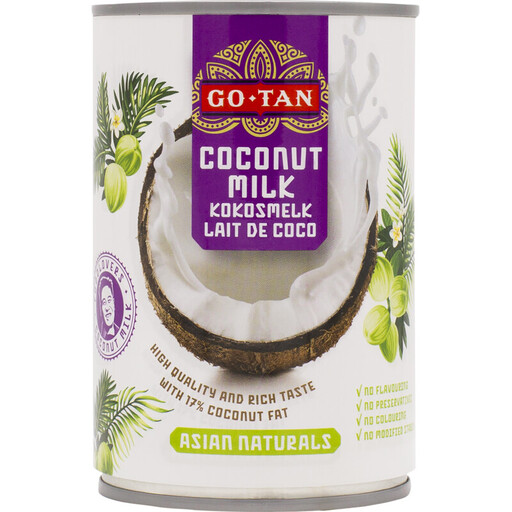
Why it fits this profile: The 400 ml volume works well with many standard recipes for curry, soup or dessert. According to the product information, the fat content is above 17%.
The ingredients and fat content are clearly stated. According to the product information, it contains no added preservatives.
400 ml; over 17% fat; suitable for dishes, biscuits and drinks according to the product description.
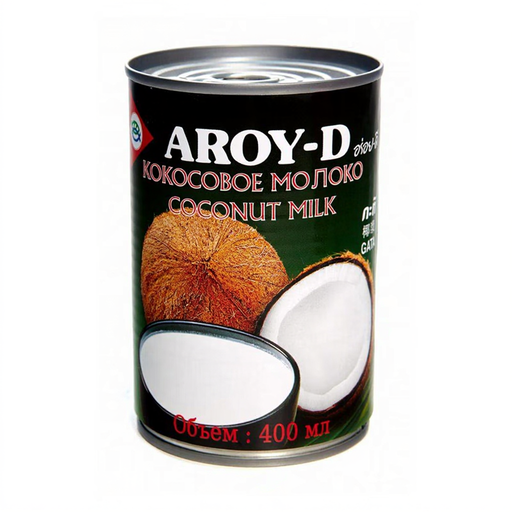
Why it fits this profile: The product information states 19% fat and a composition of coconut extract and water. That suits those who want a clear, full-bodied base for Thai coconut milk and curry.
The relatively high fat content prevents you from mistaking a thin cooking base for coconut cream. The ingredients list is short according to the product information provided.
19% fat; 400 ml; according to the product description, no stabilisers or other added ingredients.
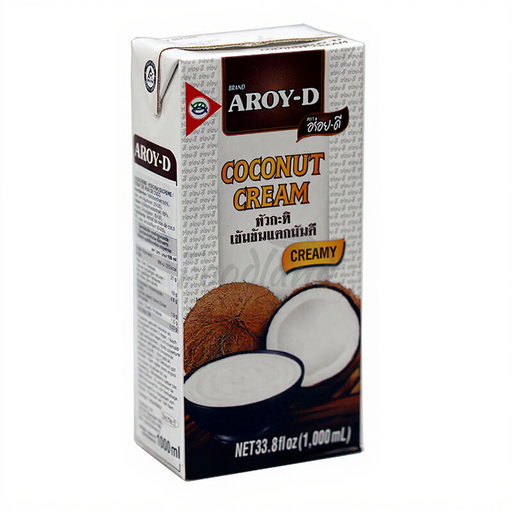
Why it fits this profile: A litre pack is practical for heavy use, catering or multiple recipes per week. The product description positions this coconut cream for cooking, baking and raw preparations.
The packaging and higher fat content make it clear that this is coconut cream for cooking, not the same as a light drink base.
21% fat; 1 litre; according to the product information, no added preservatives.
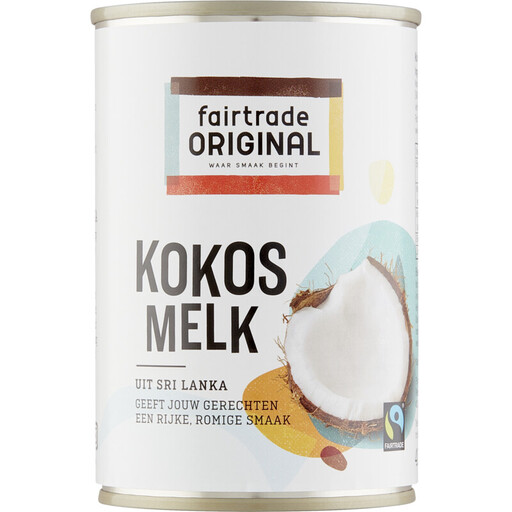
Why it fits this profile: The product information mentions Fairtrade coconut milk from Sri Lanka and 17% fat. The 400 ml volume is suitable for an average meal.
The Fairtrade and organic profile is stated separately; check the certification mark on the packaging if this is a deciding factor for your purchase.
400 ml; 17% fat; ingredients include coconut extract, water and guar gum according to the product information.
We've put together a full, up-to-date list of products that fully meet these strict selection criteria and comply with current European safety regulations.
No. Coconut cream usually contains more coconut solids and has a thicker texture. Use coconut cream for a rich sauce, dessert or baking recipe. For soup, curry or a smoothie, regular coconut milk is often easier to measure out.
For Thai curry, coconut milk with around 17 to 19% fat is a practical starting point. If you want an extra full-bodied sauce, you can use coconut cream for cooking. Add it gradually and check the consistency as you heat it.
Store opened coconut milk in the fridge and follow the date on the label. Use a sealed container rather than the opened tin. Stir any solidified coconut milk well; a slight separation of fat and water is normal for many varieties.
