
Vandaag of morgen in huis

Kwaliteit gegarandeerd

Welkomstaanbiedingen ontgrendelen: GRATIS bezorging | Tot 80% korting | Gratis 30 dagen JoyPlus-proefperiode
Download de app
Whether you want to make a creamy Thai curry, a lactose-free smoothie, or an exotic dessert, the right coconut milk is crucial. But the supermarket shelf is packed with cans and cartons that all look the same. The result? You come home with a watery substance for your curry or a thick lump for your drink. Let's clear up the confusion and look at what you really need to pay attention to when buying coconut milk.
Before you make a choice, it's good to know a few common pitfalls:
light coconut milk might sound like a healthy choice, but for many recipes, like an authentic curry, it's a disappointment. The low fat percentage results in a watery sauce that doesn't bind the flavours well.sugar-free coconut milk can still contain other additives.Canned coconut milk is the standard, but after opening, it can develop a metallic aftertaste if you leave it in the can. A cardboard carton (Tetra Pak) is often easier to reseal and store.To avoid a bad purchase, focus on a few objective characteristics. These specifications determine the texture, flavour, and success of your dish.
The fat percentage is the most important indicator of thickness and creaminess. This percentage, derived from the coconut extract, determines what the coconut milk is best suited for.
creamy coconut milk. Ideal if you want to add a subtle coconut flavour without the heaviness.coconut milk for curry, sauces, and most Asian dishes. It offers a good balance between creaminess and fluidity. Brands like Aroy-D coconut milk often fall into this category.A quick glance at the ingredients tells you a lot.
sugar-free coconut milk.The packaging affects ease of use and sometimes even the taste.
Thai coconut milk is known for its quality and is widely used in authentic cuisine. Products from Sri Lanka or Vietnam often have their own unique characteristics. Organic coconut milk is also increasingly available, often with a Fair Trade certification.Here are a few popular choices, matched to different user profiles.
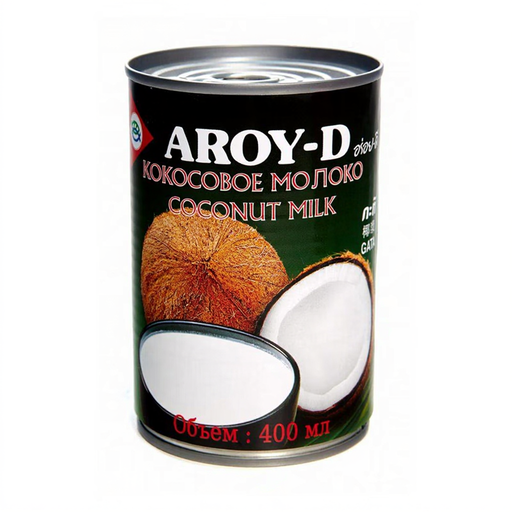
Why This Fits Their Persona: This coconut milk is a favourite for those seeking the authentic taste of a Thai curry. Its high fat content ensures a rich, creamy sauce that doesn't turn watery.
Avoids the "light" pitfall with a clear fat percentage of 19%. Contains no hidden additives; the ingredient list is pure: coconut extract and water.
Pure, unadulterated coconut flavour. The BPA-free packaging is an added benefit for conscious consumers.
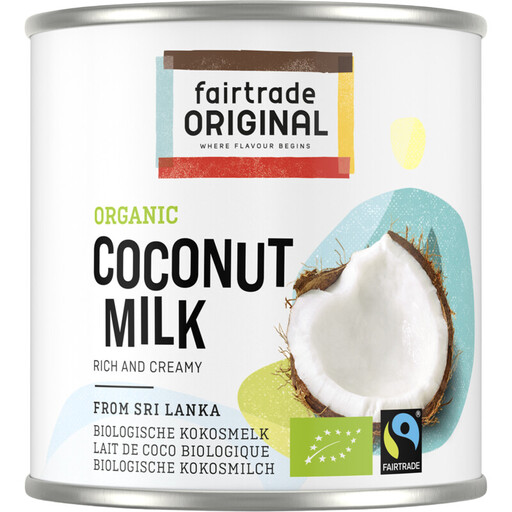
Why This Fits Their Persona: For those who care not only about what's in the can, but also about its origin. This coconut milk combines an organic certification with the Fairtrade seal.
The 'Organic' and 'Fairtrade' labels are clear and verified. The ingredient list is transparent, with only an organic stabiliser (guar gum).
Sourced from Sri Lanka, where the coconuts are hand-picked, according to the manufacturer. The 17% fat content makes it a good all-rounder.
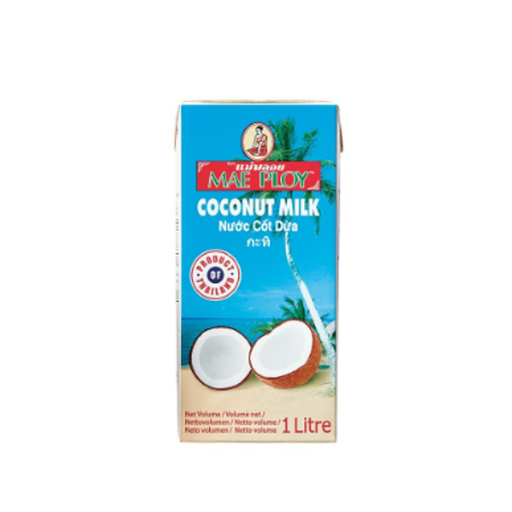
Why This Fits Their Persona: Ideal for home cooks who use coconut milk regularly or for larger families. This 1-litre bulk coconut milk pack is both practical and economical.
The UHT treatment and Tetra Pak prevent the metallic aftertaste of cans and make storage after opening easy. No more half-empty, rusting cans in the fridge.
Long shelf life (unopened) and a versatile 19% fat content. Suitable for both sweet and savoury dishes, from curries to smoothies.
We have compiled a complete, up-to-date list of products that meet these selection criteria and current regulations.
Curdling, or separation, happens when the fat and water in the coconut milk separate due to excessive heat. This occurs more quickly with pure coconut milk that lacks stabilisers. To prevent this, heat the coconut milk slowly and avoid bringing it to a rolling boil. Add the coconut milk towards the end of the cooking time. A little bit of separation is normal and doesn't affect the taste.
There is no definitive "better"; it depends on your preference.
The difference lies in the ratio of coconut extract to water, and therefore in the fat percentage. Coconut milk typically has a fat content between 5% and 22%. Coconut cream is the thick, solid layer that rises to the top when you let coconut milk sit. It contains much less water and has a fat percentage that can be as high as 30%. Coconut cream is used for extra creamy desserts and sauces.
