
Vandaag of morgen in huis

Kwaliteit gegarandeerd

Welkomstaanbiedingen ontgrendelen: GRATIS bezorging | Tot 80% korting | Gratis 30 dagen JoyPlus-proefperiode
Download de app
Buying clothes and shoes online might seem straightforward, but an attractive photo doesn’t tell the whole story. A trainer can look comfortable yet still run too narrow. A multipack of socks may appear good value, while the composition or size doesn’t suit everyday wear. With underwear, pyjamas and children’s clothing too, unclear size charts often lead to returns.
With these practical checkpoints, you can compare products based on material, size, use and care. This helps you filter out marketing jargon and find clothes and shoes that fit your daily life in the UK.
A well-known brand doesn’t guarantee that every style will suit your feet, body shape or needs. With men’s shoes, women’s shoes and trainers, always check the stated fit, foot length and width size. A regular fit can still feel tight on a wide foot.
For example, the Lacoste L003 2K24 224 2 SMA comes with a size chart showing EU sizes and foot lengths in millimetres. That’s far more useful than relying on your usual size alone.
Words like “breathable”, “antibacterial” or “extra soft” need to be backed up by verifiable information. Look at the fibre composition and the source of the claim. According to Utree’s own information, certain socks are designed with antibacterial properties and 100% cotton, except for elastic fibres. That’s a brand claim; the practical assessment starts with the stated composition, size and construction.
With clothing containing elastane, how much stretch the fabric has is especially important. A T-shirt with 5% elastane can fit differently from a 100% cotton one. For underwear, the waistband, seams and leg openings also affect wearing comfort.
A garment that requires gentle washing needs more attention than one that can be washed at 40°C. Also check whether tumble drying is advised against. With socks and underwear, which are washed frequently, this difference can really add up.
Always follow the care label. The product description is helpful, but the label inside the garment is the final word on how to look after it.
Don’t just compare S, M, L or a shoe size. Check where available:
If in doubt, measure a well-fitting garment you already own and compare it with the size chart. Especially when shopping online, this prevents you from choosing based on the product photo alone.
The choice of material depends on how you’ll use the item:
A higher cotton percentage doesn’t automatically mean a product is more comfortable for everyone. For sportswear, a synthetic blend can actually be more practical, while for pyjamas or loungewear you might prefer a softer, airier feel.
Look at details that make a difference in the long run:
A multipack can be handy for everyday basics, but first check whether all the colours, sizes and styles actually suit your needs. With a set for girls, such as a Chicco tank top 2-pack in size 140 or 152, both the size and the age guide are relevant.
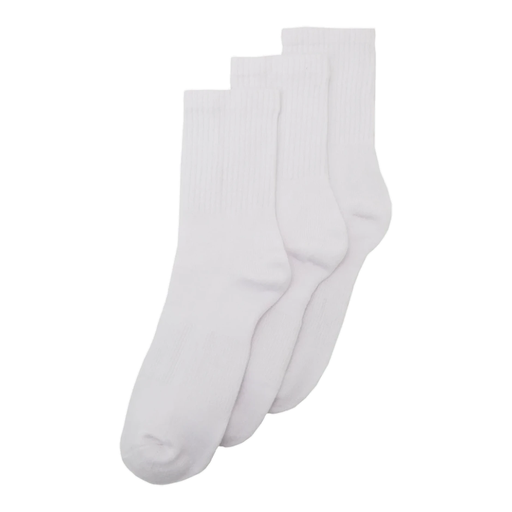
Why this fits the profile: A 3-pack in neutral colours is practical for everyday wear, walking and light sports activities. The size 37-39 is clearly stated.
The product information lists a cotton, polyester and elastane blend, reinforced edges and a 40°C wash care instruction. This allows you to look beyond just the colour or brand name.
3 pairs; size 37-39; cotton, polyester and elastane; suitable for daily wear and movement.
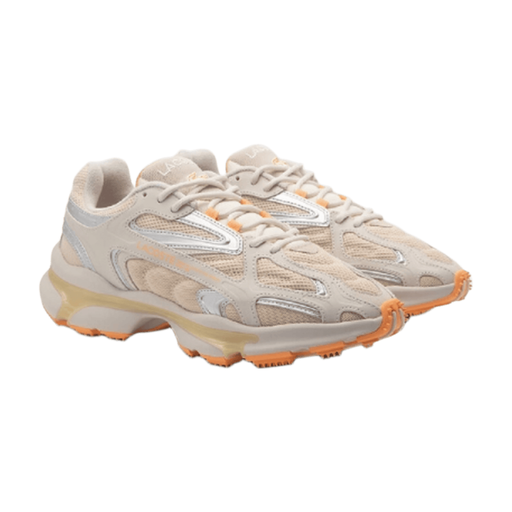
Why this fits the profile: Ideal for anyone looking for an urban trainer with a striking colour combination and detailed information about material, sole and foot length.
The size chart links EU 41 to a foot length of 258 mm. The description also mentions textile, synthetic overlays and an EVA sole rather than just style claims.
EVA sole; textile and synthetic overlays; urban design; multiple half sizes in the size chart.
Why this fits the profile: The size 47-50 and sporty construction suit larger feet and daily movement, from commuting to training.
The product page gives measurements per size group and states 80% cotton, 17% polyester and 3% elastane. This helps you better assess fit and stretch.
3 pairs; size 47-50; elasticated band; cotton blend; suitable for daily wear and sports activities.
We’ve put together a full, up-to-date list of products that fully meet these strict selection criteria and current European safety regulations.
Use this order when comparing:
For everyday comfort, you can also combine several categories: trainers with no-show socks, a T-shirt with sportswear, or pyjamas with lightweight slippers for home. For children, stretchy sets such as a Chicco T-shirt and shorts set in size 122 are practical if the size chart matches the child’s body height.
Measure your body or foot according to the retailer’s instructions and compare the result with the product-specific size chart. For shoes, use the foot length in millimetres where possible. For children’s clothing, body height is usually more relevant than age alone.
That depends on how often they’re worn, the material, friction and care. Rotating between several pairs, washing according to the label and not drying at too high a temperature can help maintain shape and fibres for longer. Regularly check the waistband, seams, heel and toe for signs of wear.
A multipack can lower the price per item and is practical for basics. However, do compare the total price, material composition, size and the number of items you’ll actually use. A pack with colours or styles you won’t wear ultimately offers less value than a smaller number of well-fitting garments.
