
Vandaag of morgen in huis

Kwaliteit gegarandeerd

Welkomstaanbiedingen ontgrendelen: GRATIS bezorging | Tot 80% korting | Gratis 30 dagen JoyPlus-proefperiode
Download de app
Buying clothes online seems simple: choose a size, add the item to your basket and wait for delivery. But an appealing product photo may not tell you how a garment fits, how thick the fabric is or how practical it will be in everyday life. Jackets, hoodies, trousers and sportswear are particularly prone to disappointing purchases, often because of unclear sizing information or exaggerated product claims.
When buying clothes online, look beyond the brand and colour. Check the fabric composition, the available measurements and the conditions the garment is designed for. This makes it easier to find casualwear, winter clothing, outdoor clothing or comfortable everyday pieces that suit the way you plan to wear them.
Branded clothing from Nike, adidas, The North Face or U.S. Polo Assn. can be appealing, but the name alone doesn’t tell you how thick a garment is, how it fits or whether it’s suitable for a particular activity. A T-shirt for everyday wear needs different features from a jacket for cycling, walking or camping.
So always check:
A fleece lining can provide extra insulation, but it doesn’t tell you how much wind or rain a garment will keep out. For outdoor clothing, it’s more useful to look at the technical specifications. The Pelliot fleece jacket, for example, lists a water column of 35.900 mm H₂O, breathability of 16.000 g/m²/24 hours and abrasion resistance of more than 40.000 rubbing cycles. These figures come from the product description. They’re most useful for comparing products and don’t guarantee performance in every weather condition.
Terms such as ‘quick-drying’, ‘breathable’ or ‘heat retention’ should also be treated as information provided by the brand or seller. Check which test method and conditions apply.
An M can fit differently from one brand or style to another. When shopping for womenswear or menswear, check body measurements in centimetres. With jackets, also allow room for a sweatshirt or jumper underneath. For trousers and leggings, waist, hip and leg measurements matter more than simply choosing S, M, L or XL.
A good approach:
A hoodie for everyday wear should suit the season and the layers you want to wear underneath. A fleece lining can feel cosy in cooler temperatures. Cotton is generally soft to the touch, while polyester can help a garment keep its shape and make it easier to care for. Also check whether the cuffs and waistband are elasticated and whether the hood is adjustable.
According to the product description, the U.S. Polo Assn. Fleece Sweatshirt US42162030-179 has a cotton-polyester blend, fleece lining, adjustable hood, kangaroo pocket and ribbed trims. The care instructions say to wash at up to 30 °C, not to tumble dry and to iron at a low temperature. Details like these matter more than the colour or logo alone.
Fit is key when choosing casual trousers. A slim-fit style follows the shape of your body, while a wide-leg style gives you more room around the legs. For sports leggings, stretch, rise and freedom of movement are all worth considering. Check the length too: 7/8 leggings sit differently from full-length styles.
According to the product details, the adidas Trefoil Essentials Pants are made from 70% cotton and 30% recycled polyester and have an elasticated waistband with a drawstring, side pockets and ribbed cuffs. For exercise, leggings with stretch and a high waist may be more practical than cotton joggers.
When choosing a jacket, look at the differences between the outer fabric, lining and filling. A padded jacket with polyester filling is designed to provide warmth, while a shell jacket may focus more on protection from wind and rain. For walking or commuting, useful details include an adjustable hood, secure pockets and adjustable cuffs.
According to the product information, the Urban Classics Basic Puffer Jacket has a polyamide outer layer, polyester filling and polyester lining. The The North Face Quest Jacket is described as having DryVent fabric, taped seams, an adjustable hood and zipped pockets. Always check the product page and care label when you see technical claims.
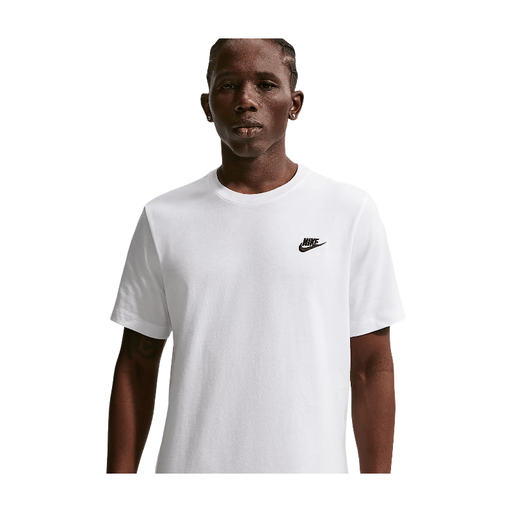
Why it suits this shopper: A simple T-shirt is an easy choice for everyday wear, casual outfits and layering. The product information lists 100% cotton and a classic fit.
The fabric composition, size information and washing instructions are clearly listed, so you don’t have to rely on the brand name alone.
100% cotton; classic style; suitable for everyday and sporty looks.

Why it suits this shopper: This jacket is designed for walking and changeable conditions. According to the product description, it features seam-sealed DryVent fabric, an adjustable hood and zipped pockets.
Its technical features are described in more detail than a general claim such as ‘all-weather’. Do check the latest product specifications and care advice.
Adjustable features; two zipped pockets; mesh lining; listed DryVent outer fabric.
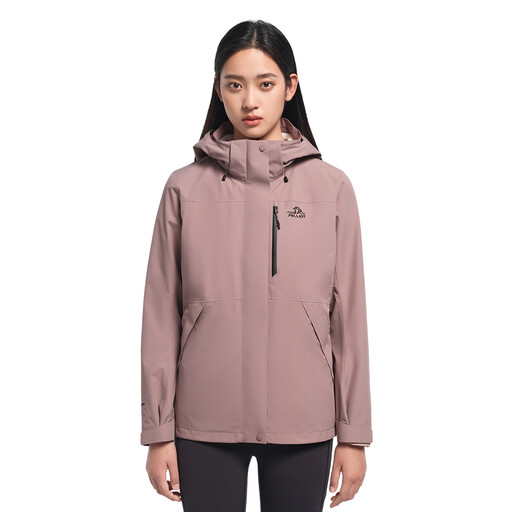
Why it suits this shopper: The 3-in-1 design is intended for camping, trekking, travel and commuting. According to the product description, the outer jacket and lining can be worn separately or together.
The listed water column, breathability, abrasion resistance and size chart make it easier to compare with other products than general claims do.
3-in-1 system; adjustable hood, hem and cuffs; technical measurements provided.
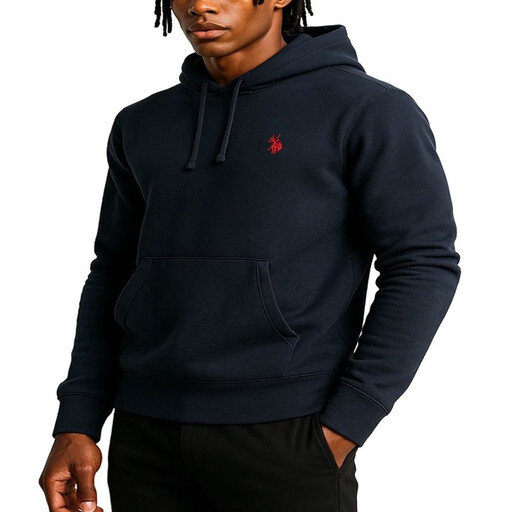
Why it suits this shopper: A lined hoodie is a comfortable choice for working from home, running errands and relaxing. The product description mentions a soft cotton-polyester blend, fleece lining and relaxed fit.
The hoodie’s description gives specific details about the lining, pocket, hood, cuffs and washing restrictions. This helps you decide whether it will work for everyday wear.
Fleece lining; adjustable hood; kangaroo pocket; ribbed waistband and cuffs.
We’ve put together a complete, up-to-date list of products that meet these strict selection criteria and the applicable European safety regulations.
Measure your body at the points shown in the size chart and compare your measurements with those for the specific style. Don’t automatically choose the same size you wear in another brand. With jackets and hoodies, allow room for an extra layer underneath.
Wearing several layers is often more practical than relying on one thick layer in winter. Fleece, polyester filling and padded linings can provide extra warmth. Also check how well the outer layer protects you from wind and rain. Its performance depends on the design, conditions and care.
Follow the care label, wash dark colours separately and use the recommended temperature. Avoid tumble drying if the product label advises against it. Fasten zips and turn printed garments inside out. This helps limit wear and usually keeps the fit in better condition.
