
Vandaag of morgen in huis

Kwaliteit gegarandeerd

Welkomstaanbiedingen ontgrendelen: GRATIS bezorging | Tot 80% korting | Gratis 30 dagen JoyPlus-proefperiode
Download de app
Buying chocolate seems simple—until you have to choose between milk chocolate, dark chocolate, praline chocolate, Belgian chocolate and Swiss chocolate. Add nuts, caramel, halal certification, Fairtrade claims and different pack sizes, and you can quickly find yourself relying more on marketing copy than on clear product information.
As a Joybuy Product Recommendation Officer, I filter the most important purchasing information using verifiable details such as weight, cocoa percentage, ingredients, allergens and pack size. This makes it easier to see which chocolate suits a moment of indulgence, a gift or a larger supply to share.
“Belgian chocolate” or “Swiss chocolate” often refers to the product’s origin or production style. It does not automatically tell you how much cocoa it contains, which ingredients were used or how sweet the bar tastes. Always check the cocoa percentage, ingredients list and net weight.
For example, Tony’s Chocolonely Milk Chocolate lists a minimum of 32% cocoa solids, while Tony’s Dark Milk Chocolate contains at least 42%. Both are milk chocolate, but according to the product information, the latter has a clearly higher cocoa content.
Chocolate with nuts, caramel chocolate or a pistachio filling may sound appealing, but it is not practical for every occasion. Products containing nuts are unsuitable for people with nut allergies. A dessert bar with biscuit may also contain gluten.
So do not just read the front of the packaging. Check the “contains” and “may contain” statements on the label, especially when giving chocolate as a gift or sharing it with several people.
A chocolate assortment may seem attractive because of the variety, but look at the total weight and the number of individually wrapped portions. A box with six small bars may be easier to share than one large bar, while a larger pack may offer better value for a family or office.
Compare the price per 100 grams and also check the best-before date on the packaging. The current information on the label takes precedence.
The cocoa percentage helps you compare milk chocolate and dark chocolate more effectively. A higher percentage generally means a more pronounced cocoa flavour, but it does not by itself determine which bar you will enjoy most. Sugar, milk solids, fillings and flavourings also influence the taste.
For example, Lindt Excellence Dark Orange lists a minimum of 48% cocoa solids and contains orange and almonds. AE Chocodate Dark Chocolate lists at least 85% cocoa solids in the chocolate, combined with dates and almonds.
Ingredients are listed in descending order by weight. If sugar appears first, it makes up a significant proportion of the recipe. Also look out for milk powder, cocoa butter, cocoa mass, soya as an emulsifier and any vegetable fats.
Many products in this selection contain milk and soya. Nut varieties may include hazelnuts, almonds and pistachios. According to the product information, Milka Mmmax Alpine Milk contains milk, soya and hazelnuts and may contain gluten. Lindt Crème Brûlée contains, among other ingredients, milk, lactose, wheat, gluten, soya and barley malt.
For halal chocolate, an explicit statement or certification is important. AE Chocodate Milk Chocolate and AE Chocodate Coconut Flavor are listed as halal-certified in the product information. Check the current packaging with every purchase, as recipes and labels may change.
For one person, a 90- to 100-gram bar is often sufficient. A 150- to 250-gram pack is better suited to sharing or multiple snacking occasions. A gift box with smaller bars offers more variety and is easier to divide among people.
Store chocolate according to the product information in a cool, dry place, away from direct sunlight and sources of heat and moisture. Reseal opened packaging properly to help prevent loss of flavour and quality.
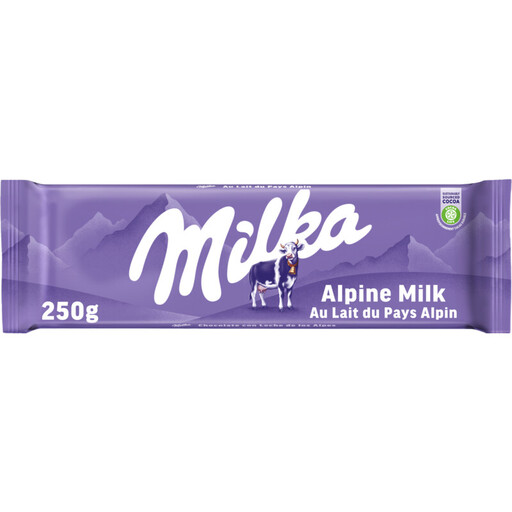
Why This Fits Their Persona: A generous milk chocolate bar for enjoying at home or sharing with others.
The weight is clearly stated, and the product contains at least 33% cocoa solids according to the product information.
250 grams; resealable packaging; according to the product information, sourced through the Cocoa Life programme.
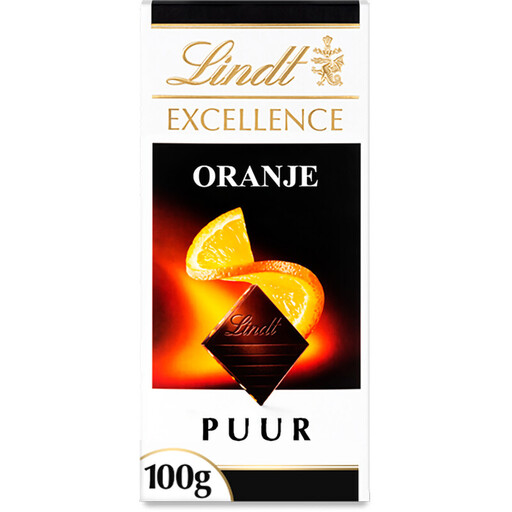
Why This Fits Their Persona: Ideal for those who enjoy pairing dark chocolate with orange and almond.
The chocolate type and minimum cocoa percentage of 48% are specified in the product information.
100 grams; contains orange preparation and 7% almonds according to the ingredients list.
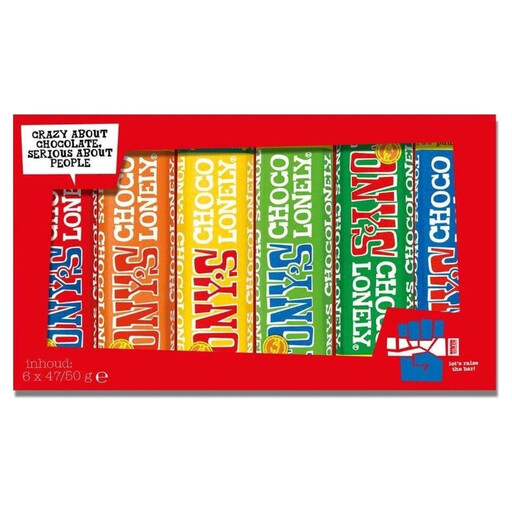
Why This Fits Their Persona: An assortment of six small bars for a birthday, visit, colleagues or a tasting session.
The contents are specific: 288 grams and six bars in different flavours, including caramel, nougat and nuts.
Includes dark and milk chocolate; the product information states that 79% of traded ingredients are sourced according to Fairtrade standards.
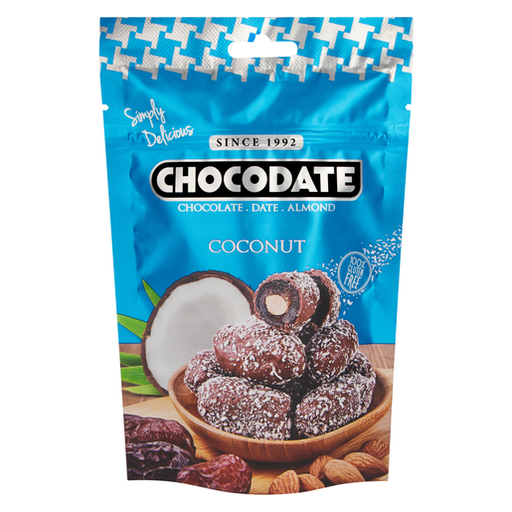
Why This Fits Their Persona: For anyone looking for a sweet snack or chocolate gift with dates, almonds and coconut.
The product information states that it is halal-certified, suitable for vegetarians and gluten-free.
Individually wrapped; contains dates, 12% almonds and 3% dried coconut according to the product description.
Explore a current selection of sweet chocolate and compare flavour, weight, ingredients and occasion before placing your order.
When assessing sustainability claims, pay close attention to the exact wording. If Cocoa Life, Cocoa Plan or Fairtrade appears on the product page, this is information provided by the brand or the stated certification scheme. Do not treat it as a general guarantee covering the entire supply chain.
A gift box containing several small bars offers choice and is easy to share. For a more personal gift, choose a flavour that suits the recipient, such as dark chocolate with orange, milk chocolate with caramel or chocolate with pistachio. Check the allergens and total weight in advance.
Look for a clear statement such as halal certified on the product page or packaging. Also check the milk ingredients, soya and potential cross-contamination. A vegetarian or gluten-free product is not automatically halal.
Store chocolate in a cool, dry place, preferably not in the refrigerator because of moisture and odour transfer. Keep the packaging away from direct sunlight and reseal it carefully after opening. Always check the date and storage instructions on the packaging for shelf-life information.
