
Vandaag of morgen in huis

Kwaliteit gegarandeerd

Welkomstaanbiedingen ontgrendelen: GRATIS bezorging | Tot 80% korting | Gratis 30 dagen JoyPlus-proefperiode
Download de app
Buying chocolate and sweets online might seem straightforward: pick a flavour, compare the price and add the product to your basket. Yet there are a few pitfalls to watch out for. A larger pack isn’t automatically better value, a flavour name doesn’t always tell you how much caramel is inside, and a protein bar isn’t necessarily right for every dietary need.
With these practical selection tips, you can compare chocolate bars, toffees, fudge, wafers, popcorn, mochi and other sweet treats in a clear and informed way.
A 220 g bag or a box containing several bars might look appealing when you want to share. But always check the price per 100 g or per piece. Individually wrapped sweets, such as fruit toffees or liquorice toffees, are handy for on the go, but their packaging and size can make them quite different from a chocolate bar.
Words like caramel, sea salt caramel, toffee, fudge and nougat mainly describe the flavour direction. They don’t automatically tell you how much of that ingredient is actually present. For example, the Côte d'Or BonBonBloc states 25% praline filling and 20% soft caramel. Tony’s Chocolonely Milk Caramel Seasalt contains 10% caramel pieces and 0.5% sea salt according to the product information.
So look at the ingredients list and the percentages rather than just the front of the packaging.
Protein bars and high-protein bars are designed as a convenient snack with extra protein. The Grenade Carb Killa contains 20 g of protein per 60 g bar and 1.4 g of sugar per bar, according to the product specifications. However, it also contains sweeteners and 18 g of polyols per bar. According to the product information, excessive consumption of polyols may have a laxative effect.
So use a protein bar as a snack within your normal eating pattern, not as a direct replacement for a varied diet. Also check for milk, soya, peanut and other allergens.
Pay attention to the difference between a large bar for sharing and individual portions:
A smaller pack can help you keep your portion size under control. A larger pack can be practical for visitors, with coffee or for a film night.
Always check the current packaging before buying, especially if you have an allergy or intolerance. Many products in this category contain milk, soya, nuts, peanuts, wheat or gluten.
Examples:
If there is conflicting information between a product page and an older product description, the label on the packaging takes priority.
The nutritional value per 100 g makes products comparable with each other. The value per piece shows you what you’re actually eating. For example, a Grenade bar contains 226 kcal per 60 g bar, while a Côte d'Or BonBonBloc states 507 kcal per 100 g.
As well as sugar, also look at:
A product with less sugar isn’t automatically suitable for everyone. Look at the overall composition and when you plan to eat it.
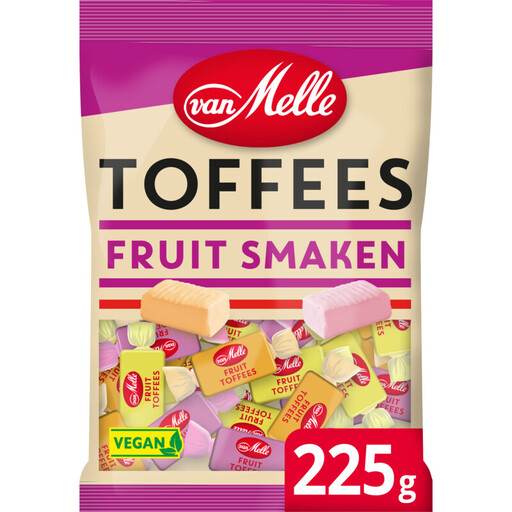
Why this fits the profile: The 225 g pack contains individually wrapped toffees in orange, lemon and strawberry flavours. That makes comparing and sharing easy.
The different fruit flavours are clearly described and the individual wrappers make the portions easy to identify. Do check the current label, as the product information provided does not show the same allergen declaration everywhere.
225 g, individually wrapped and three fruit varieties. The product information does not list any of the 14 main EU allergens; always check this on the packaging.
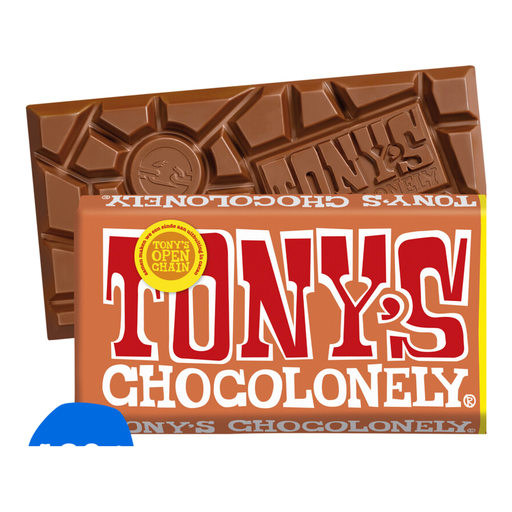
Why this fits the profile: This milk chocolate combines caramel pieces with sea salt and, at 180 g, is ideal for breaking and sharing.
The product information gives specific percentages: 10% caramel pieces, 0.5% sea salt and a minimum of 32% cocoa solids. This allows you to assess the flavour description more accurately.
180 g, milk chocolate with caramel pieces and sea salt. The same flavour is also available in a 90 g size.
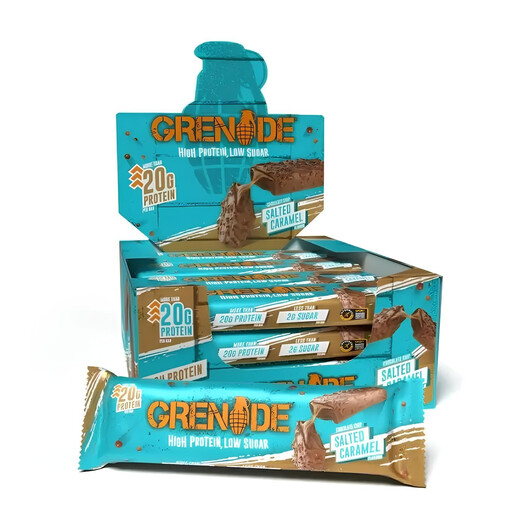
Why this fits the profile: The box contains 12 bars of 60 g. That suits adults who want to take a reliable high-protein snack to the office, on the go or around exercise.
The product page lists protein, sugar and polyols per bar. This makes it clear that “low in sugar” doesn’t mean the bar is free from sweeteners.
20 g protein and 1.4 g sugar per bar according to the product specifications. Contains milk, soya and hydrolysed bovine collagen.
We’ve put together a full, up-to-date list of products that fully meet these strict selection criteria and comply with current European safety regulations.
For a creamy dessert style, Lindt Creation Crème Brûlée is a 150 g milk chocolate bar with caramelised sugar and wafer crunch. Please note it contains milk, lactose, wheat, gluten, soya and possibly nuts.
If you’re after soft sweet textures, take a look at Lonka Soft Nougat Caramel or Lonka Fudge Caramel. Both packs are designed for sharing or serving with coffee and tea. The fudge comes in a resealable bag; the nougat in a tray. Both product descriptions state gluten-free, but they do contain milk and soya.
For a different texture, Royal Family Mochi Salted Caramel, MUSHAN BASE Caramel Popcorn and NABATI Butter Caramel Flavor Wafer are options. Mochi requires chilled storage, popcorn is great for a film night and the wafers are individually wrapped at 27 g each. This way, you choose not just by flavour, but also by storage and usage.
Choose individually wrapped toffees, wafers or protein bars. Van Melle Fruit Toffee contains individual toffees and the Grenade pack contains 12 separate bars. In warm weather, check the storage instructions, especially for chocolate and products with a soft filling.
Store most products in a cool, dry place away from direct sunlight, but not automatically in the fridge. Keep the packaging tightly closed to prevent moisture and loss of quality. Mochi can be an exception: the product information for Royal Family states chilled storage. Always follow the label.
Compare the price per 100 g, per bar or per portion. Also look at the number of pieces, the net weight and the best-before date. A multipack is practical for regular use, while a smaller bar may be more suitable if you only want to buy a limited amount.
