
Vandaag of morgen in huis

Kwaliteit gegarandeerd

Welkomstaanbiedingen ontgrendelen: GRATIS bezorging | Tot 80% korting | Gratis 30 dagen JoyPlus-proefperiode
Download de app
Buying chocolate seems simple until you have to choose between milk chocolate, dark chocolate, white chocolate, fillings and different sizes. An eye-catching wrapper or temporary chocolate offer also says little about the flavour, ingredients or suitability for your needs.
Pay particular attention to these common pitfalls:
With milk chocolate, milk powder and sugar generally create a soft, creamy and sweeter taste. According to the product information, Tony’s Chocolonely Milk Chocolate contains at least 32% cocoa solids. The bar is available in 90 and 180 g sizes.
Dark chocolate generally contains more cocoa mass and less sugar. Lindt Excellence 70% Cocoa Dark Chocolate states a minimum of 70% cocoa, while Lindt Excellence 90% Cocoa Supreme Dark has an even more intense profile. According to the product specifications, the 90% bar contains 7 g of sugar per 100 g; check the current packaging for the latest information.
White chocolate contains cocoa butter, but no cocoa mass like milk and dark chocolate. Tony’s Chocolonely White Chocolate states a minimum of 28% cocoa solids and contains milk and soya. Its flavour is creamy and sweet, making this variety a popular choice for those who prefer a milder bar.
Looking for chocolate with hazelnuts, caramel or fruit? Do not just look at the product name; check the percentage of the ingredient too. According to the product information, Milka Bar Broken Hazelnuts contains 9% hazelnut pieces. Tony’s Chocolonely Milk Hazelnut states 10% hazelnuts.
For a sweet-and-salty combination, Tony’s Chocolonely Milk Chocolate Bar Caramel Sea Salt and Ritter Sport Honey Salt Almond are relevant options. The Tony’s bar contains 10% caramel pieces and 0.5% sea salt. Ritter Sport states that the honey-salt coating contains 20% almonds and 0.9% honey. Always check the allergen information when buying products containing nuts.
Chocolate with orange often has a distinctive sweet and fresh flavour. According to the product specifications, Lindt Excellence Dark Orange Chocolate contains 7% orange preparation and 7% almonds. This makes the bar less suitable if you need to avoid nuts.
Compare the price per 100 g rather than just the price per pack. Small 90 or 100 g bars are convenient for a personal snack or gift. Larger 150, 180, 200 or 250 g bars are more practical for sharing.
Nutritional values vary by recipe. For example, Tony’s Chocolonely Milk Chocolate Bar Caramel Sea Salt states 51 g of sugar per 100 g, while Lindt Excellence 90% Cocoa Supreme Dark contains 7 g of sugar per 100 g according to the information provided. This is not a judgement on quality; it simply helps you compare products objectively.
The terms Belgian chocolate and Swiss chocolate refer to origin or product tradition, but do not by themselves tell you everything about the ingredients or flavour. Tony’s Chocolonely products are described as Belgian chocolate. Milka Bar Broken Hazelnuts states that it is produced in Switzerland. For sustainability, check the specific certifications and claims on the packaging. If it says Fairtrade, that is a product specification; for other programmes, the rule is: according to the brand’s own information.
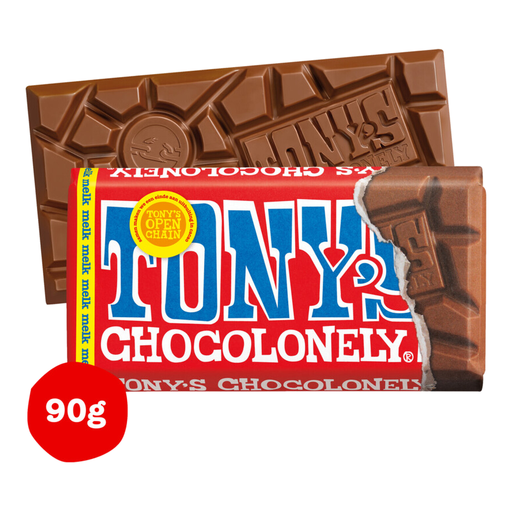
Why it suits this profile: The 90 g size keeps your purchase manageable, while the flavour offers an accessible introduction to Belgian milk chocolate.
The packaging states the cocoa content of at least 32%, as well as the soya and milk allergens, so you do not have to rely solely on the front of the pack.
90 g, at least 32% cocoa, Fairtrade according to the product information and listed as vegetarian.

Why it suits this profile: This thin bar is aimed at lovers of an intense cocoa profile and is ideal for savouring slowly or pairing with coffee.
The cocoa content is clearly stated. This lets you deliberately choose an intensely dark chocolate rather than an arbitrary dark-coloured wrapper.
100 g, 90% cocoa, 7 g of sugar per 100 g according to the product information and a short ingredients list.
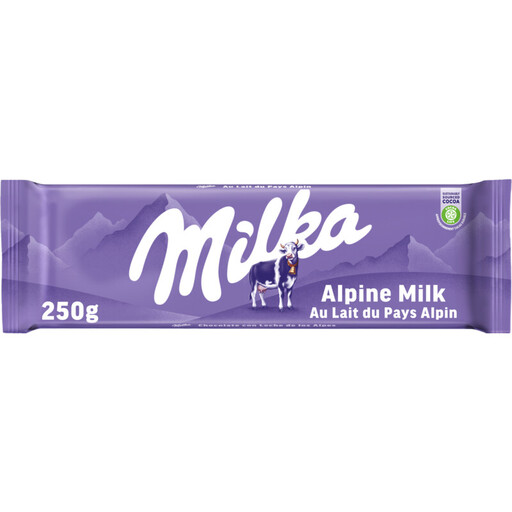
Why it suits this profile: The 250 g size is practical for a film night, visitors or several snacking occasions.
You can see the weight, minimum cocoa content of 33% and listed allergens in advance. The resealable packaging helps you store the bar after opening.
250 g, at least 33% cocoa, resealable packaging and, according to Milka’s own information, cocoa from the Cocoa Life programme.
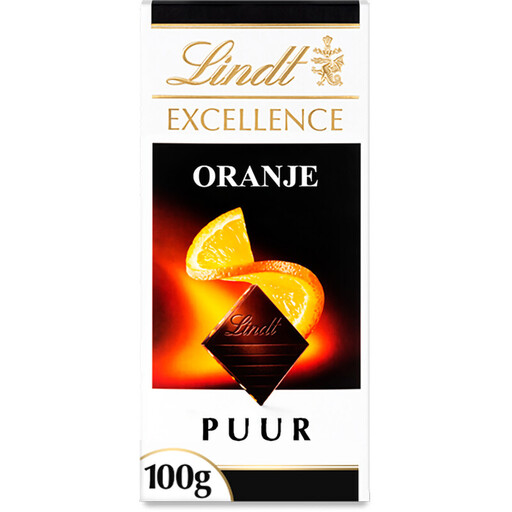
Why it suits this profile: Orange, dark chocolate and almond create a distinctive flavour combination that works well as a small gift or with coffee.
The product specifications state both the orange preparation and the almond percentage. This makes the flavour and allergens clearer before you buy.
100 g, at least 48% cocoa solids, 7% orange preparation and 7% almonds according to the product information.
We have put together a complete, up-to-date list of products that fully meet these strict selection criteria and the applicable European safety regulations.
Dark chocolate with a higher cocoa percentage often contains less sugar than milk or white chocolate. Lindt Excellence 90% Cocoa Supreme Dark states 7 g of sugar per 100 g. Always compare the current nutritional table on the packaging.
The shelf life is stated on the packaging. Store the bar according to the instructions: in a cool, dry place, tightly sealed and away from direct sunlight. It is best not to use damaged packaging.
Choose a size that suits the occasion and check whether the recipient prefers milk, dark or white chocolate. If in doubt, flavours without nuts or fillings are easier to assess, but you should still check the allergen information before ordering.
