
Vandaag of morgen in huis

Kwaliteit gegarandeerd

Welkomstaanbiedingen ontgrendelen: GRATIS bezorging | Tot 80% korting | Gratis 30 dagen JoyPlus-proefperiode
Download de app
Buying chocolate seems simple enough – until you have to choose between milk chocolate, dark chocolate, white chocolate, chocolate with nuts, or a gift box. A striking wrapper doesn’t always tell you enough about what’s inside. If you only focus on the brand or the offer, you could end up with a bar that’s too sweet, contains allergens, or isn’t suitable for sharing.
With this practical guide, you’ll learn to focus on the information that really matters: cocoa percentage, ingredients, allergens, size and when you plan to eat it. That way, you can compare Tony’s Chocolonely chocolate, Lindt chocolate, Milka chocolate and special varieties with caramel, sea salt or nuts.
Dark chocolate with a higher percentage usually contains less sugar than milk chocolate, but the flavour also becomes more intense and bitter. What’s more, milk solids, nuts or traces of soya can still be present. So don’t just look at the percentage on the front – check the full ingredients list too.
Words like premium, luxury or artisanal don’t automatically describe an objective difference. Instead, check the cocoa percentage, weight, ingredients and origin information. A 90 g bar might look cheaper, but could be more expensive per 100 g than a larger version.
Chocolate with nuts, caramel and sea salt, or biscuits often contains extra ingredients such as milk, soya, gluten, egg or peanuts. Even a product with no visible nuts may state “may contain traces of nuts” on the label. If you have an allergy, always follow the information on the actual packaging.
So the cocoa percentage is a useful way to compare, but it’s not a universal taste score. If you’re after a gentle snack, you might choose milk chocolate. For coffee, dessert or small tasting portions, a dark variety could be a better fit.
Don’t just compare the number of calories. Also look at sugar, saturated fat, salt and the portion size. A bar with caramel and sea salt often contains more sugar and salt than a simple chocolate bar. Tony’s Chocolonely Milk Chocolate Bar Caramel Sea Salt, for example, lists 0.5% sea salt in the ingredients and 0.69 g of salt per 100 g.
The nutritional values are intended for comparing products, not as medical advice. Always check the packaging for the most up-to-date information.
A 90 g or 100 g bar is practical for one person or a small sharing moment. A 150 g to 200 g size is better suited to a family, guests or a recipe. Individually wrapped chocolates, such as AE Chocodate, are handy for handing out and as a chocolate gift. In that case, check how many pieces you actually receive and what the total weight is.
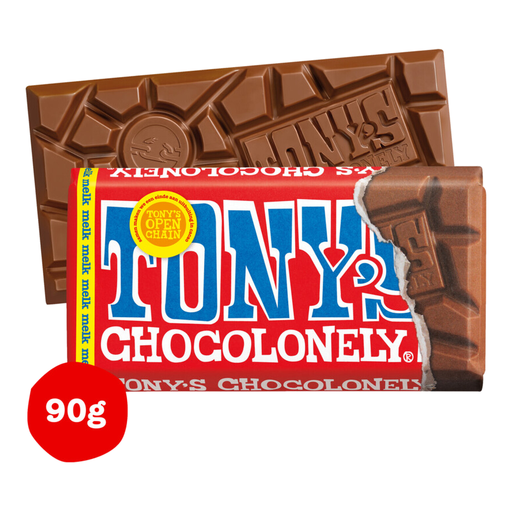
Why this fits the profile: The smaller size is manageable if you want to try a classic milk chocolate bar without buying a large stock straight away.
The weight and the minimum cocoa percentage of 32% are clearly stated in the product information, so you can compare more effectively.
90 g, milk chocolate, vegetarian and, according to the product information, Fairtrade.
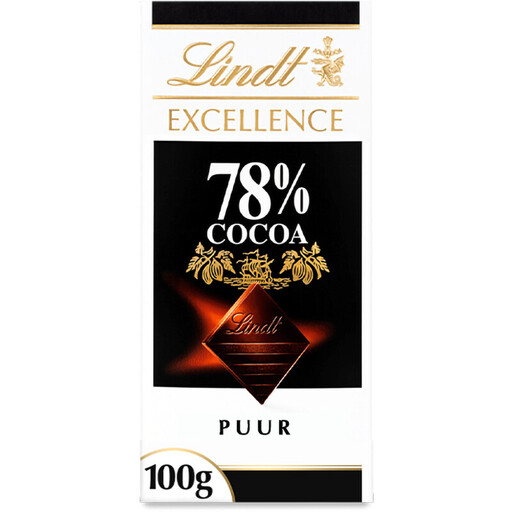
Why this fits the profile: A clear choice for anyone who values a high cocoa percentage and a pronounced dark chocolate flavour.
The minimum 78% is stated in the product name and description. The ingredients list also mentions the milk solids present.
100 g, 78% cocoa and a short ingredients list; may contain hazelnuts, nuts, soya and almonds.
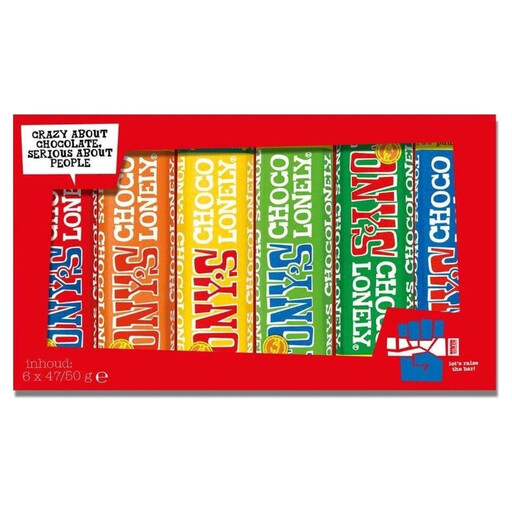
Why this fits the profile: The box contains six small bars including milk, dark, nougat, salted caramel, hazelnut and almond. That makes it ideal for sharing or comparing flavours.
With multiple flavours in one pack, you don’t have to choose just one flavour in advance. Do check the allergens: milk, soya, almonds, hazelnuts and egg are listed.
288 g total, six small bars and, according to the product information, Fairtrade ingredients for 79% of the product.
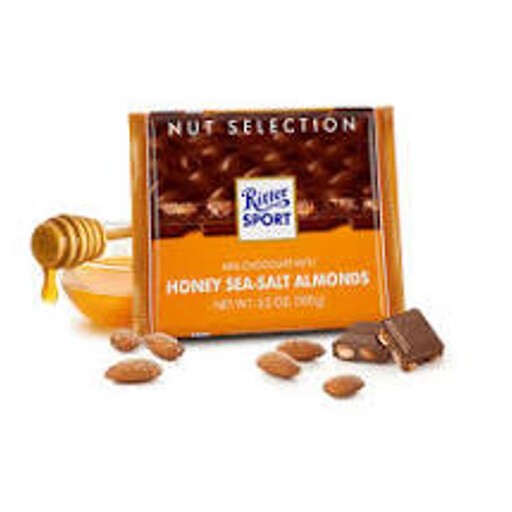
Why this fits the profile: The combination of honey-roasted almonds and sea salt suits anyone looking for more texture and contrast than a standard milk chocolate bar offers.
The ingredients list 20% almonds and salt. This makes the flavour combination easier to judge than relying on the packaging alone.
100 g, almonds as a clearly stated ingredient and 100% certified sustainable cocoa according to the product information.
Store chocolate in a cool, dry and dark place, away from heat, moisture and direct sunlight. Putting it in the fridge can cause condensation when the bar returns to room temperature. On receipt, check that the packaging is undamaged and look at the label for the best-before date.
For a chocolate gift, a varied gift pack, individually wrapped chocolate dates or a striking bar with nuts are practical choices. During warm weather, pay extra attention to delivery conditions; chocolate can soften in high temperatures.
We’ve put together a full, up-to-date list of products that fully meet these strict selection criteria and comply with current European safety regulations.
Dark chocolate with a higher cocoa percentage usually contains less sugar than milk or white chocolate, according to the product specification. The flavour is typically more intense. Always check the nutritional information table and choose a size that suits when you plan to eat it.
Read the full ingredients list and the separate allergen declaration. Look out for milk, soya, nuts, peanuts, gluten and egg. The “may contain” warning is also relevant. If you have an allergy, you must follow the information on the actual packaging, because recipes can change.
The best-before date is on the packaging. Store the bar according to the manufacturer’s instructions and seal the packaging well after opening. A white bloom on chocolate can be caused by temperature changes, but if in doubt, always assess the smell, appearance, packaging and best-before information.
