
Vandaag of morgen in huis

Kwaliteit gegarandeerd

Welkomstaanbiedingen ontgrendelen: GRATIS bezorging | Tot 80% korting | Gratis 30 dagen JoyPlus-proefperiode
Download de app
Buying chocolate online may seem straightforward, but the range varies considerably in flavour, ingredients, size and origin. Eye-catching packaging reveals little about the cocoa percentage or allergens. A large bar may also appear good value at first glance, while you are mainly paying for filling, sugar or a larger format.
These practical checks help you compare milk chocolate, dark chocolate, white chocolate and filled chocolate clearly.
A bar containing 85% or 90% cocoa generally has less sugar than many milk chocolate bars, but its flavour is also stronger and more bitter. That will not suit every chocolate lover. So do not look only at the percentage: check the ingredients list and nutritional information too.
Words such as “artisan”, “rich”, “creamy” or “premium” mainly describe a brand’s positioning. It is better to check the net quantity, cocoa percentage, fillings used and allergens. When it comes to Belgian chocolate and Swiss chocolate, the origin says something about the product tradition, but not automatically about your personal taste preferences.
Chocolate containing nuts, almonds, milk, soya or gluten may be unsuitable for some consumers. Even “dark chocolate” is not always free from milk or traces of nuts. If you are looking for halal chocolate or vegetarian options, check the product packaging and current product information. A halal or Fairtrade claim should come from the product information or a recognisable certification statement, not from advertising alone.
Please note: the cocoa percentage does not fully predict how sweet, bitter or creamy a bar will taste. The recipe and any filling are also important.
With caramel and sea salt chocolate, nut chocolate or orange chocolate, the filling accounts for a large part of the experience. According to the product information, Tony’s Chocolonely Milk Caramel Sea Salt contains 10% caramel pieces and 0.5% sea salt. Côte d’Or BonBonBloc consists of milk chocolate with praline and soft caramel.
Also check whether nuts are listed as an ingredient or as a possible source of cross-contamination. This is particularly relevant for bars containing hazelnut, almond, pistachio or nougat.
Compare the price per 100 grams rather than just the price per pack. A 180 or 250 g bar can be convenient for sharing, while a 90 or 100 g bar is suitable for a smaller treat or as a chocolate gift.
The nutritional information provides additional context. For example, Lindt Excellence 90% lists 592 kcal and 7 g of sugar per 100 g, while Tony’s Chocolonely Milk Chocolate lists 545 kcal and 51 g of sugar per 100 g. These figures are not a judgement on flavour, but they do help you compare products objectively.
Store chocolate according to the label: in a cool, dry place away from direct sunlight. Heat, moisture and temperature fluctuations can affect its texture and appearance.
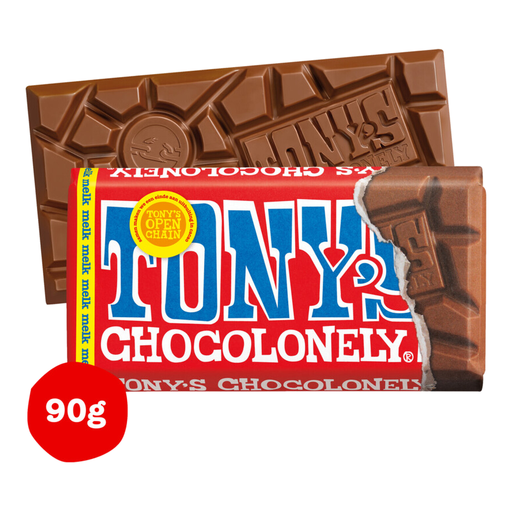
Why it suits this profile: A manageable size for discovering Belgian milk chocolate without ordering a large pack straight away.
The product information clearly states at least 32% cocoa solids, the weight and the allergens.
90 g, milk chocolate, vegetarian and Fairtrade according to the product information.

Why it suits this profile: For anyone looking for a powerful dark chocolate flavour and a high cocoa percentage, perhaps to enjoy with coffee.
The 90% percentage is clearly stated and the ingredients list is relatively short: cocoa mass, cocoa butter, fat-reduced cocoa powder, sugar and vanilla.
100 g, at least 90% cocoa and just 7 g of sugar per 100 g according to the product information.
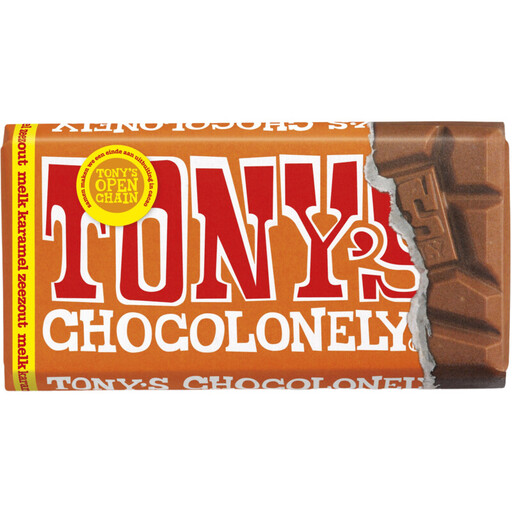
Why it suits this profile: A compact bar for sharing, enjoying on the go or giving as a chocolate gift, with a sweet-and-salty flavour profile.
The product information specifically states 10% caramel pieces and 0.5% sea salt. This tells you exactly what the added flavours contain.
Belgian milk chocolate, at least 32% cocoa, vegetarian and Fairtrade according to the product listing.
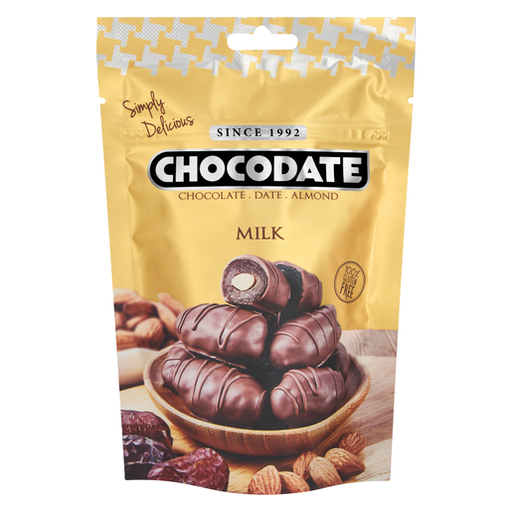
Why it suits this profile: For anyone who wants to combine milk chocolate with dates and almonds and is looking for a product to share or give as a gift.
The product information lists the dates, almonds, milk and soya separately. It also states halal certification in the product specifications.
Suitable for vegetarians, halal-certified according to the product information and individually wrapped for sharing.
We have put together a complete, up-to-date list of products that fully meet these strict selection criteria and the applicable European safety regulations.
Milk chocolate and white chocolate are generally softer and sweeter than dark chocolate. When comparing products, check the cocoa percentage and consider choosing milk chocolate with caramel, praline or nougat. Products with a high percentage of dark cocoa, such as 78% or 90%, usually have a more intense flavour profile.
Check that halal certification is explicitly stated in the product information or on the packaging. Also look for milk, soya, nuts and other allergens. AE Chocodate Milk Chocolate lists halal certification in the supplied product specifications; always check the label when your order arrives.
Store chocolate in a cool, dry place, away from direct sunlight and sources of heat and moisture. Keep the packaging closed where possible and follow the storage and best-before information on the label. In warm weather, chocolate may soften during transit; check the packaging when your order arrives.
