
Vandaag of morgen in huis

Kwaliteit gegarandeerd

Welkomstaanbiedingen ontgrendelen: GRATIS bezorging | Tot 80% korting | Gratis 30 dagen JoyPlus-proefperiode
Download de app
Buying chocolate might seem straightforward, but the range varies widely in taste, ingredients, size and shelf life. A bar for your coffee calls for different qualities than a sharing pack for the family or a chocolate gift. Well-known names such as Tony's Chocolonely, Lindt chocolate, Côte d'Or chocolate, KitKat and Twix also use different recipes and formats.
As a Joybuy Product Recommendation Officer, I filter product information by verifiable points. This stops a flashy wrapper or a popular flavour from becoming more important than what is actually inside the pack.
A bar of 180 or 200 grams might look appealing for sharing, but always check the price per 100 grams. A multipack with individually wrapped portions can be more practical for school, work or visitors, while a large bar may use less packaging per portion. The right choice depends on how quickly you eat the chocolate and how many people you are sharing with.
The cocoa percentage is a useful guide, but it is not a full flavour description. A bar with 70% or 78% cocoa generally has a stronger profile than milk chocolate, but ingredients such as sugar, milk fat, orange or almonds also affect the experience. So look beyond the percentage and check the ingredients list too.
Chocolate with caramel, chocolate with nuts, praline chocolate and filled bars often contain milk, soya, gluten or nuts. Always check the allergen information, even on products you have bought before. With international chocolate, the recipe can differ from a similar product sold in the UK. The packaging and product information are what you should rely on.
Examples of clear product specifications are Tony's Chocolonely Milk Chocolate with a minimum of 32% cocoa solids, Lindt Excellence with 78% cocoa and Côte d'Or Sensation Noir with 70% cocoa. The information on the packaging gives you a better basis for comparison than just the colour of the wrapper.
Pay attention to the net weight and the number of pieces. A bar of 90 or 100 grams is suitable for keeping to yourself or breaking into smaller pieces. A bar of 150 to 200 grams is better for a coffee moment with several people. For families, individually wrapped products, such as Twix with five bars or Bros Mini in a 208-gram bag, are practical for sharing.
Individual wrapping also helps keep opened chocolate fresher. Always follow the instructions on the label and store chocolate in a cool, dry place away from direct sunlight. A fridge is usually not necessary; temperature fluctuations can actually cause a white bloom on the surface.
Read the ingredients list if you have a specific preference. The AE Chocodate varieties combine dates and almonds with milk or dark chocolate. The coconut version also contains dried coconut and, according to the product information provided, is halal-certified, vegetarian and gluten-free. This makes the product information relevant for a targeted purchase, but always check the label again with every order.
Also look out for brand claims. According to Tony's Chocolonely's own information, several bars are Fairtrade and vegetarian. According to Nestlé Bros' product information, Rainforest Alliance-certified cocoa is used. Such claims belong to the brand's product description and are not a general guarantee for every chocolate variety.
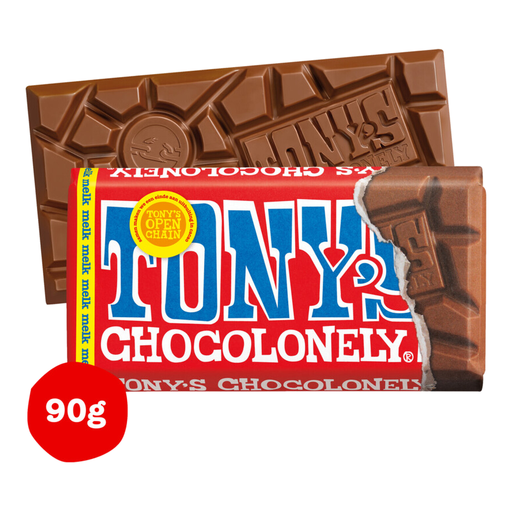
Why this suits the profile: The 90-gram size keeps the purchase simple and works well for a first introduction to milk chocolate.
The net weight and minimum cocoa content of 32% are clearly stated, so you don't have to rely on the packaging alone.
Milk chocolate, 90 grams, vegetarian according to the product information and individually suited for a small treat.
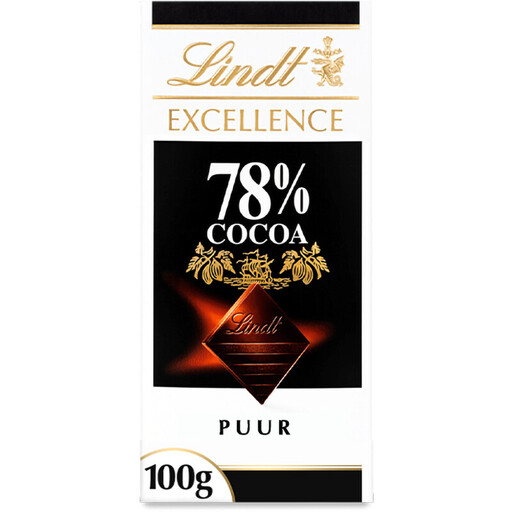
Why this suits the profile: This bar is aimed at shoppers who want a high cocoa percentage and a clear dark chocolate flavour.
The product states a minimum of 78% cocoa, so your choice is based on a concrete feature rather than a vague taste claim.
100 grams, 78% cocoa and a short ingredients list; ideal for eating on its own or serving with coffee.
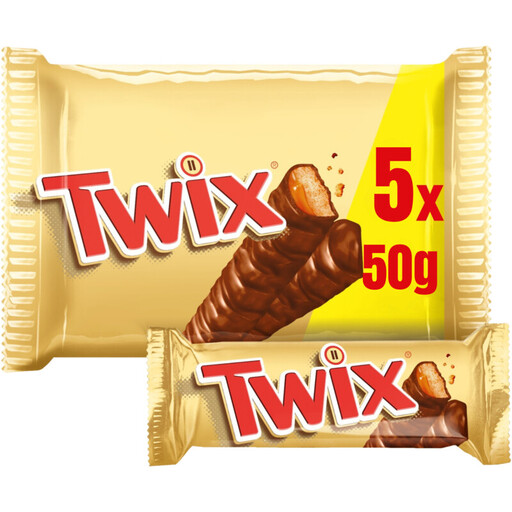
Why this suits the profile: The five individually wrapped bars are practical for families, visitors, on-the-go or a shared treat.
The number of pieces and total weight are clearly stated, so you can better judge portions and the price per 100 grams.
250 grams total, five portions and a combination of biscuit, caramel and milk chocolate.
We have put together a full, up-to-date list of products that fully meet these strict selection criteria and current European safety regulations.
Choose a size that suits the occasion and check the best-before date on the packaging. Individually wrapped chocolate is handy for sharing. For a gift, a special flavour, such as chocolate with caramel, praline chocolate or a combination with coconut and almonds, might be more fitting than a standard bar. Check allergens and storage conditions beforehand.
Milk chocolate contains milk solids and usually has a milder taste. Dark chocolate contains cocoa mass and is often labelled with a cocoa percentage, for example 70% or 78%. White chocolate mainly contains cocoa butter, sugar and milk solids, and has no cocoa mass. The exact composition varies by brand and variety.
Store chocolate in its original, well-sealed packaging in a dry, cool place away from sunlight, heat and moisture. With international chocolate, always check the specific instructions on the label. If the packaging is damaged, do not use the product.
