
Vandaag of morgen in huis

Kwaliteit gegarandeerd

Welkomstaanbiedingen ontgrendelen: GRATIS bezorging | Tot 80% korting | Gratis 30 dagen JoyPlus-proefperiode
Download de app
Buying chocolate seems simple until you have to choose between a chocolate bar, pralines, chocolate truffles or a large chocolate assortment. The packaging often looks more luxurious than the contents justify. Taste, size and allergens can also vary considerably between products that appear similar at first glance.
With these practical selection tips, you can avoid a disappointing purchase and choose more confidently between dark chocolate, milk chocolate, white chocolate or a chocolate gift.
With dark chocolate, the percentage of cocoa is often emphasised. This is useful information, but it does not fully determine how the bar will taste. A higher percentage can mean a more intense, less sweet flavour. Additions such as caramel, sea salt or nuts also affect the flavour profile.
So, as well as checking the cocoa percentage, read the ingredients list. A bar containing at least 47% cocoa solids, such as Lindt Excellence Dark Caramel & Sea Salt, combines dark chocolate with caramel pieces and fleur de sel. The result is quite different from a simple plain dark chocolate bar without a filling.
A mixed box is convenient for sharing, but it often contains milk, soya, nuts, peanuts, gluten or egg. The flavours and proportions in Merci Petits Chocolate Collection may also vary. If you are buying for a group, it is a good idea to check the allergen information in advance rather than relying solely on the front of the packaging.
Also look out for statements such as “may contain”. This information is important when giving chocolate as a gift or serving it to people with an allergy.
A 385-gram pack may seem appealing for a party, but the price per 100 grams may be higher or lower than that of several chocolate bars. So check:
For a small gift, a box of pralines may be more suitable than a large sharing bag of chocolate. For a film night or birthday, a sharing size is more practical.
Dark chocolate generally contains more cocoa solids and often has a more intense flavour than milk chocolate. Milk chocolate is creamier and sweeter because of its milk content. White chocolate contains cocoa butter, but no cocoa mass like dark and milk chocolate.
Check the product description for specific information. Lindt Creation Crème Brûlée, for example, is milk chocolate with a dessert-style crème brûlée filling. Côte d’Or Bonbonbloc White Praline consists of white chocolate with a soft hazelnut praline filling containing 45%. These details provide clear indications of the flavour and texture.
Filled chocolate can be soft, crunchy or creamy. Praline often contains hazelnuts and sugar, while truffles generally have a soft filling and a layer of cocoa powder. Fantasie Natural Chocolate Truffles, for example, are soft Belgian chocolates coated in cocoa powder.
If you are looking for a satisfying crunch, look for caramel, hazelnuts, almonds or biscuit. If you prefer a smooth texture, a product with a creamy filling may be a better choice. Product names such as “praline”, “truffle” and “filled chocolate” are not enough on their own; check the ingredients and product description.
Nutritional values are usually provided per 100 grams. Many chocolate products contain around 400 to 650 kcal per 100 grams, but the exact values vary according to the recipe. Use this information to compare products fairly, without drawing conclusions about their healthiness or suitability for a particular diet.
Store chocolate as indicated on the packaging: in a cool, dry place away from direct sunlight, but not necessarily in the fridge. Seal opened packaging properly to help preserve the flavour and texture. Always check the packaging and stated best-before date when your order arrives.

Why it suits this shopper: A manageable 100-gram bar for anyone who wants to try dark chocolate without immediately buying a large assortment.
The cocoa content of at least 47%, together with the addition of 6% caramel and 0.3% sea salt, is clearly stated in the product information.
100 grams, dark chocolate, caramel pieces and fleur de sel. Contains milk and soya; may contain sesame and nuts.
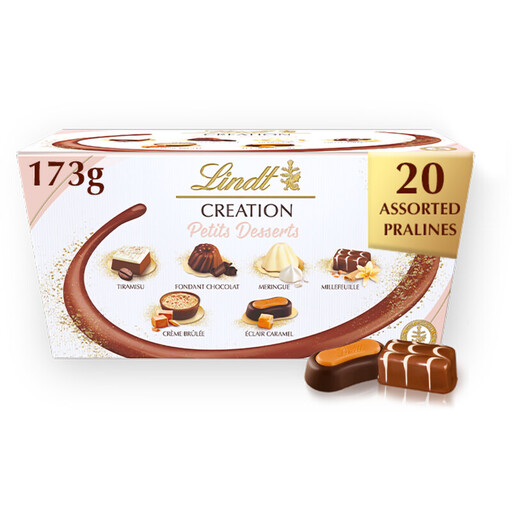
Why it suits this shopper: A box of 18 pralines in dark, milk and white chocolate for a stylish after-dinner treat.
The packaging and number of pieces make it clear in advance what you are getting, rather than showing only a large weight label.
18 filled pralines, three types of chocolate and a net weight of 173 grams. Contains milk, nuts, gluten, soya and egg.

Why it suits this shopper: The sharing pack is designed for birthdays, guests, the office or a film night with several people.
The 385-gram net weight makes it suitable for sharing. However, check the allergens in advance, as the assortment contains multiple ingredients.
385 grams of assorted chocolate in a sharing pack. Contains, among other ingredients, milk, peanuts, wheat, soya, barley and egg.
We have compiled a complete, up-to-date list of products that fully meet these strict selection criteria and the applicable European safety regulations.
Brands such as Lindt chocolate, Milka chocolate, Tony’s Chocolonely and Merci chocolate are aimed at different occasions. So do not compare just the brand name; focus particularly on weight, ingredients, allergens and packaging.
Check the net weight, type of chocolate, ingredients, allergens and best-before information. Also check whether the packaging is suitable as a gift or for sharing. Product photos provide an indication, but the current product description and label are the definitive sources of information.
The best-before date is shown on the packaging. Store chocolate in a cool, dry place away from direct sunlight. Once opened, its quality will generally be better preserved if you seal the packaging properly. Do not use a product if its packaging is damaged.
Not necessarily. Dark chocolate often contains more cocoa solids, but the sugar content varies from recipe to recipe. So check the nutritional information table and ingredients list. Caramel, praline and other fillings can also have a significant effect on sweetness.
