
Vandaag of morgen in huis

Kwaliteit gegarandeerd

Welkomstaanbiedingen ontgrendelen: GRATIS bezorging | Tot 80% korting | Gratis 30 dagen JoyPlus-proefperiode
Download de app
Buying chocolate seems straightforward, but attractive packaging tells you little about the ingredients, portion size or whether it suits your diet. Are you looking for milk chocolate for home, dark chocolate with a higher cocoa content, chocolate with nuts or a box as a chocolate gift? It pays to look beyond the brand name and flavour description.
Three common pitfalls to watch out for:
Ingredients are listed in descending order by weight. If sugar appears first, it makes up a significant proportion of the product. With filled bars, it is also useful to check how much praline, caramel, nuts or biscuit is actually included.
If you have allergies or dietary preferences, pay particular attention to:
A halal logo may be relevant for consumers looking for halal chocolate, but also check the current packaging and certification information. AE Chocodate Milk Chocolate lists halal certification. The product is also described as suitable for vegetarians and gluten-free. However, it does contain milk, soya and almonds.
The cocoa percentage indicates what proportion of the product consists of cocoa solids. A higher percentage often points to a more intense, less sweet flavour, but it does not tell you everything about the product’s overall nutritional value.
According to Tony’s Chocolonely’s own information, the brand is working towards the goal of 100% slave-free chocolate. Treat this as a brand objective and check the packaging or official product communications for the latest information.
Small packs are handy for a treat, lunch box or tasting occasion. The 32 g Lotte Pepero Almond & Chocolate and KitKat Gold with nine pieces, for example, are designed with portions in mind. Larger bars such as the 180 g Tony’s Chocolonely or 200 g Côte d’Or BonBonBloc are more practical for sharing.
Store chocolate in a cool, dry place, away from direct sunlight and protected from heat and moisture. A white bloom following fluctuations in temperature is sometimes caused by fat or sugar separation. If in doubt, check the product information and do not consume a product whose packaging is damaged.
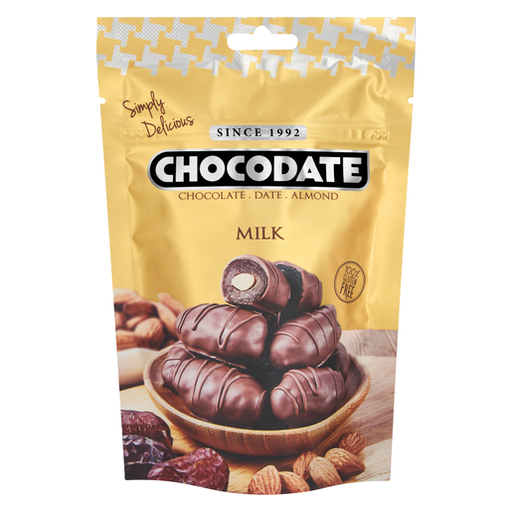
Why it suits this profile: A compact choice for anyone who wants to combine milk chocolate with dates and almonds without immediately buying a large sharing bar.
The product information states the weight, allergens and dietary features, so you do not have to rely on the packaging alone.
Individually wrapped; halal-certified according to the product information; suitable for vegetarians and gluten-free.
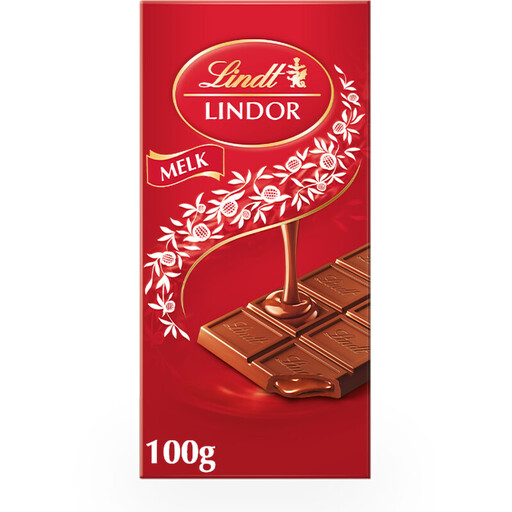
Why it suits this profile: Ideal for fans of Swiss chocolate with a smooth, melting filling in a classic size.
The product description clearly identifies it as milk chocolate with a smooth filling; the allergen list mentions milk, soya, gluten and possible traces of nuts.
100 g; smooth filling; clear storage and allergen information.
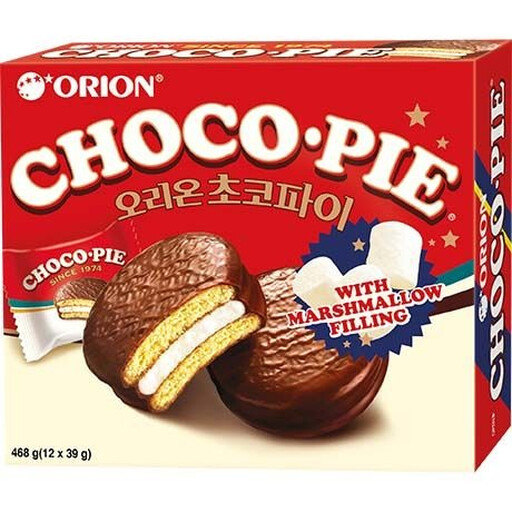
Why it suits this profile: A multipack for sharing Korean chocolate snacks during a visit, film night or party.
The product information states the weight and allergens present. This allows you to weigh up the large pack against how you actually intend to use it.
468 g; soft cake with filling and a chocolate coating; suitable for sharing.

Why it suits this profile: Its distinctive shape and combination of Swiss milk chocolate, honey and almond nougat make this bar a suitable small gift.
The ingredients list mentions almonds, egg, milk and soya. This prevents the eye-catching gift packaging from being mistaken for an allergen-free option.
100 g; 10% almond nougat according to the product information; suitable as a gift.
We have compiled a complete, up-to-date list of products that fully meet these strict selection criteria and the applicable European safety regulations.
Choose a product with recognisable packaging, a practical size and clear allergen information. A bar such as Toblerone, a filled Lindt bar or individually wrapped Chocodate may be suitable. Always check whether the recipient can eat nuts, milk, soya or gluten.
Milk chocolate contains milk solids and generally has a creamier, sweeter flavour. Dark chocolate contains more cocoa solids, but the exact cocoa percentage and sugar content vary from product to product. Check the label rather than judging by the colour of the bar alone.
Follow the date and storage advice on the packaging. Store chocolate somewhere cool and dry, away from direct sunlight. Once opened, the quality is best maintained when you reseal the packaging properly. Filled chocolate, biscuit bars and chocolate snacks may react differently because of their fillings than a standard bar.
