
Vandaag of morgen in huis

Kwaliteit gegarandeerd

Welkomstaanbiedingen ontgrendelen: GRATIS bezorging | Tot 80% korting | Gratis 30 dagen JoyPlus-proefperiode
Download de app
Buying Chinese snacks in the Netherlands can seem straightforward, but the range varies greatly in flavour, preparation and storage method. A packet labelled “crispy”, “traditional” or “authentic” doesn’t tell you much about what you’ll get at home. So it’s worth looking closely at the ingredients, weight, cooking instructions and storage conditions.
This is especially important for Chinese dough snacks, mahua and Chinese frozen snacks. Some products are ready to eat, while others need to be fully heated. By checking the following points, you can avoid a disappointing purchase and find something that suits your snack moment, breakfast, drinks or hotpot.
In the world of Asian snacks, you’ll find both ready-to-eat items and raw or semi-prepared products. A bag of crispy fried dough twists can usually be opened and eaten straight away, but a frozen pancake or mini dough stick needs to be fried or boiled first.
Always check the instructions. Products containing raw flour often state that they must be thoroughly heated. For example, Freshasia mini dough sticks for hotpot aren’t a regular ready-to-eat snack: they need to go straight from the freezer into boiling broth for one to two minutes.
“Spicy”, “barbecue” and “sweet” can taste very different from one product to another. Check the ingredients list and nutritional information. Look out for:
A flavour name is a clue, not a full description of intensity.
Buying Chinese snacks for a family or office requires a different size to a single-serve bag. Large packs are practical for sharing, but they take up more storage space. Frozen products must be kept at -18 °C or below and must not be refrozen once thawed.
For ambient snacks, resealability matters. A crispy twist loses its texture more quickly if the bag isn’t properly closed after opening. Always check the best-before date on the packaging. Products marked as “near-expired” need extra attention and are only suitable if you plan to use them soon.
If you’re short on time, choose ready-to-eat snacks such as mahua, mini twists or sachima. If you prefer warm, Chinese street-food-style snacks, go for a Chinese pancake or spring onion pancake instead.
Pay attention to the different cooking methods:
According to the product information, the SAN QUAN Original Taste Pancake 320g is cooked straight from the freezer in a pan. The thin layers are designed to give a crispy yet elastic texture. The exact result also depends on your pan, heat and cooking time.
A pack of 108 to 160g is suitable for a small snack with tea. Varieties from 280 to 500g are more practical for a family, breakfast or a gathering with several people. Don’t just look at the total weight – check for individual sachets too.
The HSU FU CHI crispy egg flavour sandesh 768g contains small separate packs. That can be handy for sharing, taking with you or storing. With Chinese frozen snacks, portions are sometimes individually wrapped, so you don’t have to cook the whole bag at once.
Many Chinese dough snacks contain wheat or gluten. Other common allergens in this range include egg, soya, milk and sesame. Always read the label, even if a product appears to be based on vegetables, taro or gluten.
Also compare the nutritional values per 100g. Crispy snacks are often relatively high in energy due to oil, sugar or both. That makes them suitable as a snack, but portion size still matters. Never treat a claim like “plant-based” or “light” as a health guarantee – check the ingredients and nutritional values yourself.
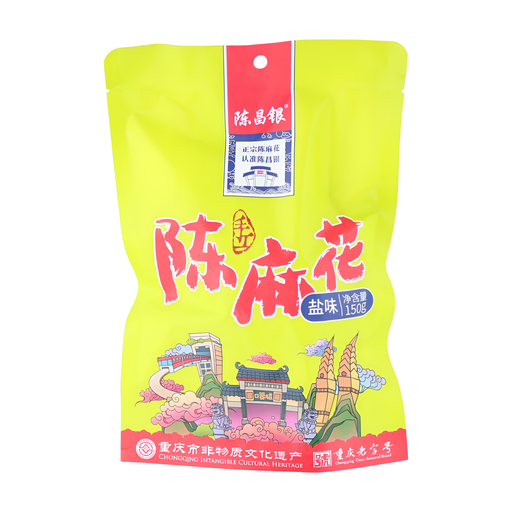
Why this fits the profile: This ready-to-eat mahua is a straightforward introduction to Chinese snacks. The 150g pack is ideal for sharing without committing to a large quantity.
According to the description, the product is ready to eat. So you don’t need to plan for any cooking equipment or freezer space.
Crispy texture, light salty flavour and ready to serve with tea or drinks. Contains wheat and egg.
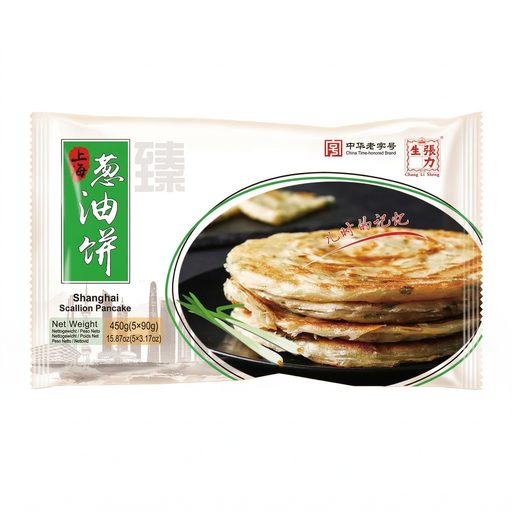
Why this fits the profile: Ideal for those who value a layered texture and a warm preparation. The pancakes can be cooked individually from frozen for breakfast or a savoury snack.
The cooking instructions clearly state pan-fry or oven and specify that the product should be cooked from frozen.
450g, with spring onion and a stated cooking time of 3 to 4 minutes per side in the pan.
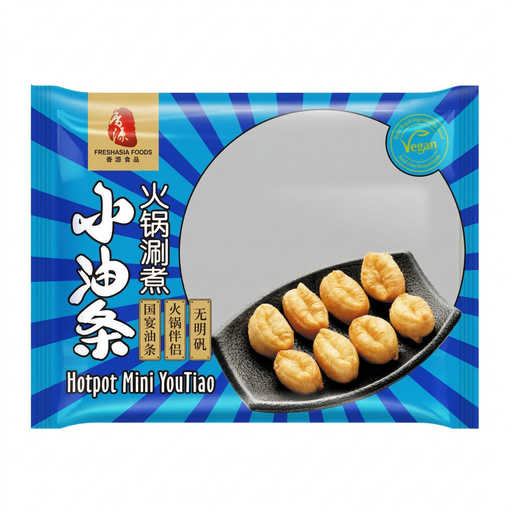
Why this fits the profile: These mini dough sticks are designed for hotpot, broth and spicy soups. As they cook, they absorb the flavour of the broth, making them perfect for a shared meal.
The packaging describes the product as raw and states that it must be thoroughly cooked. So it’s clearly not a snack to eat straight from the bag.
225g, no need to thaw, and a stated cooking time of 1 to 2 minutes in boiling hotpot broth.
We’ve put together a full, up-to-date list of products that meet these strict selection criteria and comply with current European safety regulations.
Mahua, fried dough twists, sachima and various mini snacks are often ready to eat. Always check the instructions, because a similar-looking pack could contain a product that needs cooking. If in doubt, the cooking instructions and allergen information on the label are your guide.
Keep them at -18 °C or below. Only cook the amount you need and do not refreeze a thawed product. Cook the snack according to the packet instructions and serve it immediately for the best texture.
For drinks, crispy, ready-to-eat snacks are practical – think salted mahua, brown sugar twists, barbecue twists or seaweed flavour. For a warm snack, you could choose a Chinese pancake or scallion pancake. Check how many guests you’re expecting beforehand, and keep an eye out for wheat, egg, soya and sesame allergens.
