
Vandaag of morgen in huis

Kwaliteit gegarandeerd

Welkomstaanbiedingen ontgrendelen: GRATIS bezorging | Tot 80% korting | Gratis 30 dagen JoyPlus-proefperiode
Download de app
Buying Chinese snacks might seem straightforward, but the range varies widely in flavour, texture, ingredients and pack size. Whether you’re looking for authentic Chinese snacks for home, a party or on the go, a flashy packet alone isn’t enough. Especially with spicy Chinese snacks, vegetarian snacks and Asian snacks, there are a few things you need to watch out for.
Packaging often uses terms like mala, hot & spicy, barbecue or Sichuan. These give you a general idea, but they don’t always reveal how intense the chilli or pepper experience will be. With mala snacks, you get a tingling or numbing sensation from Sichuan pepper alongside the heat – and that can feel quite different from ordinary chilli.
So check the ingredients list for chilli, Sichuan pepper, chilli oil and spice blends. A snack with a high salt content can also taste more powerful than the description suggests.
Ordering Chinese snacks online in bigger packs can be tempting, but pay attention to the content per serving and the shelf life once opened. Individual sachets are handy for eating on the go and help keep the rest of the pack sealed. With a large bag that doesn’t reseal, the texture can lose its crunch much faster.
So don’t just compare the total weight. Also look at the number of servings, whether items are individually wrapped, and the storage instructions.
Some vegetarian snacks are made from soya or wheat protein, but they may contain allergens such as soya and gluten. Flavourings with words like chicken, meat or barbecue can also be confusing. Always check the full ingredients list and allergen information. You shouldn’t assume a product is suitable for every vegetarian without verifying the product details.
Chinese snacks range from soft tofu snacks to crispy rice crackers, fried dough twists and Chinese biscuits. First, decide which texture you’re after:
The product description sometimes mentions a baking or frying method. Use this as product information, not as a guarantee of a particular taste experience.
Look out for the ingredients that matter to you. The range commonly includes:
The allergen information on the packaging is what you should rely on. Check it again on delivery, because product recipes or labels can change.
Compare the nutritional values per 100 grams, but also look at the actual pack. For example, the Bestore Chewy Tofu Snack contains 128 grams split across seven sachets. The product information states 209 kcal, 12 grams of protein and 2.58 grams of salt per 100 grams.
Other snacks contain significantly more energy per 100 grams. The Wo Long Mini Fried Dough Twists Barbecue Flavor 280g lists 462 kcal and 1.6 grams of salt per 100 grams. These figures aren’t a judgement on the product, but they help you make a suitable choice.
Store snacks according to the label: usually in a cool, dry place away from direct sunlight. Once opened, some products need to be eaten straight away or sealed tightly. When buying online, always check the best before date on the packaging.

Why this fits the profile: Seven individual sachets make it easy to try a small amount first or take the snack with you.
The portioned packaging stops a large pack from staying open for too long. The ingredients and allergens list soya as something to be aware of.
128 grams total, seven sachets, ready to eat and a texture described as chewy and springy.
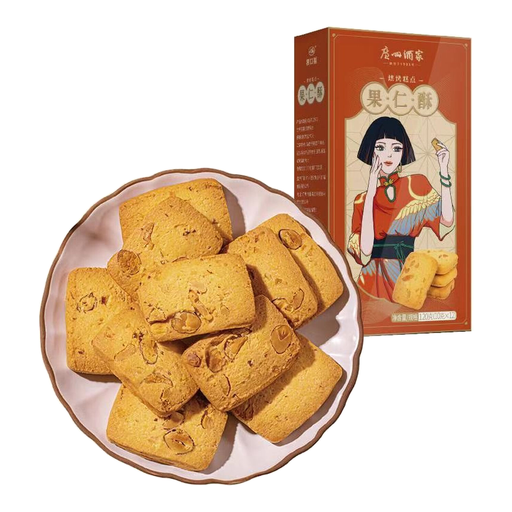
Why this fits the profile: The individually wrapped pieces are ideal for tea, guests or a gift hamper of Chinese biscuits and other treats.
The portions are individually wrapped. Do check the allergens: the product information lists wheat, peanut, sesame and egg.
120 grams, individually wrapped and described as containing mixed nut pieces.
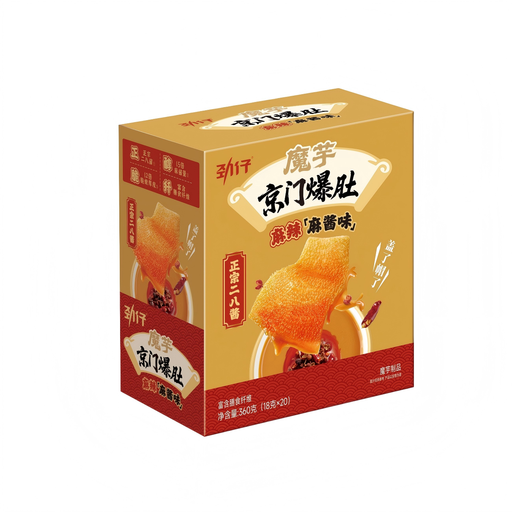
Why this fits the profile: Twenty sachets of 18 grams are practical for regular snacking, lunchboxes or a sharing platter of different mala snacks.
Thanks to the individual portions, the rest stays sealed. The ingredients list soya, peanut and sesame; check this before buying.
360 grams total, twenty portions and a product description featuring konjac, sesame, chilli and Sichuan pepper.
We’ve put together a full, up-to-date list of products that fully meet these strict selection criteria and comply with current European safety regulations.
For a film night, crispy Chinese chips, rice crackers or fried dough twists work well in a sharing bowl. For tea, you could choose brown-sugar dough twists, nut brittle or a cereal bar. If you’re after vegetarian snacks, look at tofu, konjac or plant-based soya strips – as long as soya and wheat information isn’t an issue for you.
For a party, variety is more practical than one big pack: combine a sweet snack with a savoury option and add a spicy one. That way, guests can choose between sweet Chinese snacks, mala, barbecue and milder flavours.
You can order Chinese snacks online from shops that stock a range of Asian snacks. Pay attention to product photos, ingredients, allergens, net weight, origin, shelf life and storage advice. This information helps you compare products more fairly.
Popular categories include tofu snacks, mala snacks, rice crackers, fried dough twists, Chinese biscuits and dried or marinated snacks. The choice really depends on the texture and flavour you prefer. “Authentic” isn’t a fixed quality standard, so check the product description and origin information.
Store opened snacks according to the label, usually sealed tightly in a cool, dry place. Individually wrapped snacks are practical when you don’t want to open everything at once. For soft products, pay extra attention to any instruction to eat them immediately after opening.
