
Vandaag of morgen in huis

Kwaliteit gegarandeerd

Welkomstaanbiedingen ontgrendelen: GRATIS bezorging | Tot 80% korting | Gratis 30 dagen JoyPlus-proefperiode
Download de app
Buying Chinese snacks might seem straightforward, but the range varies widely in flavour, packaging, preparation and storage method. A crunchy biscuit to enjoy with tea calls for a different choice than frozen Chinese snacks for a family meal. If you rely solely on eye-catching packaging or a familiar flavour name, you could end up with a product that’s too small, requires a lot of preparation, or doesn’t suit your allergies.
As a Joybuy Product Recommendation Officer, I therefore focus on verifiable information: net weight, ingredients, allergens, storage conditions and preparation method. This way, you can compare Chinese and Asian snacks on practical points rather than marketing language.
A bag of 300 or 425 grams might look generous, but check whether the contents come in individual portions and how many people it will serve. Individually wrapped biscuits are handy for work, school or sharing, whereas a large bag without a good resealable closure can go soft more quickly.
Also pay attention to the nutritional values per 100 grams. For example, the HaoChiDian Crispy Walnut Cookies contain 509 kcal per 100 grams, and the Mi Lao Tou Crispy Rolls contain 476 kcal per 100 grams. That doesn’t say anything about quality or taste, but it does help you estimate portion sizes realistically.
Chinese biscuits, crackers and sweet Chinese snacks are often ready to eat straight away. Dumplings, bao buns and dim sum are usually frozen and need to be fully heated through. A product that can go straight from the freezer into the steamer is convenient, but it’s not suitable for eating uncooked.
So always check:
“Walnut”, “sesame”, “pork” or “salted egg yolk” can indicate a flavour direction, but look at the ingredients list and the quantitative declarations. In the walnut biscuits, for instance, walnut is listed at a minimum of 0.2%, while peanut, milk, egg and wheat are also listed as allergens. The flavour name alone doesn’t give you the full picture.
In the UK, major allergens must be clearly labelled. With many Chinese snacks, these include wheat, egg, milk, peanut, soya, sesame, crustaceans and sulphites. For example, the BEIERXIANG crackers list egg as an allergen. The delico Dim Sum Assortment contains wheat, crustaceans, sesame and soya, among others, and may contain peanuts.
Don’t just read the ingredients – also look for warnings such as “may contain traces of”. If in doubt, it’s wiser to choose a different product.
Compare products by weight, not just by the price of the pack. A bag of Chinese biscuits weighing 115 grams is suitable for a small tasting session, whereas a 2.5 kg pack of Youchen Meat Floss Buns is better suited to a household, office or gathering with several people eating.
For snacks to enjoy with tea, smaller packs are often more manageable. For family occasions or stocking up at home, a larger pack can be more practical, provided you can follow the storage advice.
Dry snacks are usually best stored in a cool, dry place, away from direct sunlight and moisture. Frozen Chinese snacks must be kept at -18 °C or lower. On receipt, check that the packaging is intact and that the product is still frozen.
With Chinese dumplings and bao buns, the core temperature is key: the filling must be piping hot all the way through. According to the product information, the Freshasia Meat Buns need to be thoroughly steamed until the core reaches above 70 °C. The delico dumplings can be steamed straight from the freezer. Always follow the instructions on the pack, as equipment and portion sizes can vary.
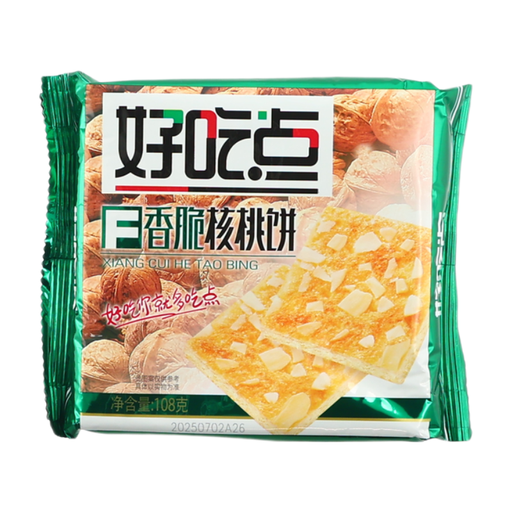
Why this fits the profile: A compact, ready-to-eat choice for anyone wanting to try Chinese biscuits without having to steam or bake first. Perfect for a quiet tea moment or as a small stash.
The net weight, ingredients and allergens are clearly stated. You know upfront that it’s a dry snack that’s ready to eat.
108 grams, a crunchy texture according to the product description, and suitable for enjoying with tea. Contains walnut with a minimum declaration of 0.2%.
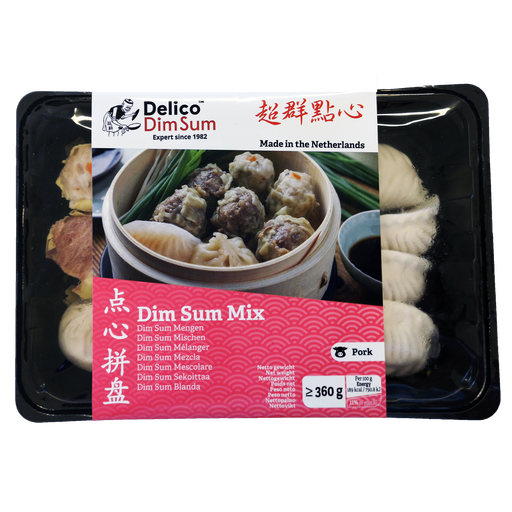
Why this fits the profile: For anyone who wants to combine several types of dim sum in one meal, with prawn dumplings, beef siu mai, pork siu mai and xiao long bao.
The four varieties and their main ingredients are specified. So you’re not buying a vague mix, but an assortment with named types.
360 grams frozen product, can be steamed straight from the freezer, with stated meat and prawn percentages per variety.
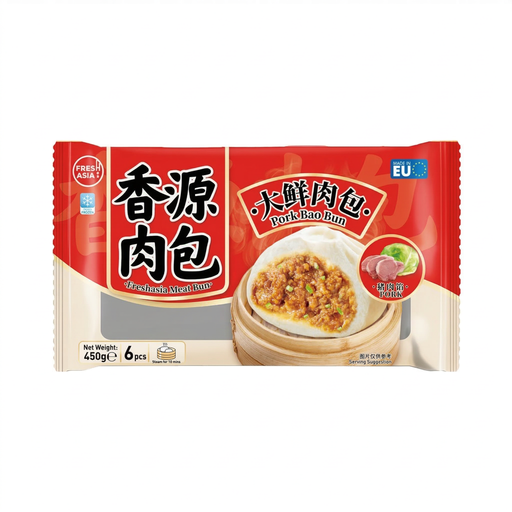
Why this fits the profile: A practical choice for several eating occasions: breakfast, a snack or a light meal. The buns are delivered frozen and are intended for steaming.
The packaging clearly states that the product must not be eaten raw, must be stored at -18 °C or lower, and must not be refrozen.
450 grams, 21% pork according to the product information, and suitable for thorough preparation in a steamer.
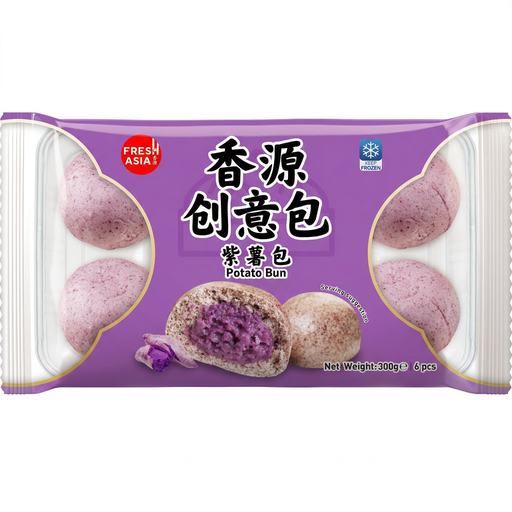
Why this fits the profile: For households that want to serve a soft, lightly sweet bao bun at breakfast, as a snack, or alongside an Asian meal.
The preparation method is clear: serve after steaming. The storage limit of -18 °C and the prohibition on refreezing are also stated.
300 grams, purple sweet potato in the recipe according to the product description, and a soft, fluffy texture after steaming.
We’ve put together a full, up-to-date list of products that fully meet these strict selection criteria and comply with current European safety regulations.
Ready-to-eat biscuits, wafers and pastry snacks are practical. Think walnut biscuits, sesame wafers, finger biscuits or crispy pastry twists. Do check the allergens and seal the pack well after opening to prevent loss of crunchiness.
Follow the instructions on the pack. Many frozen dumplings and bao buns can be steamed straight from the freezer. Only thaw if explicitly stated. Never eat products with raw dough or raw filling uncooked, and make sure the core is piping hot all the way through.
The best-before date is on the packaging. Store dry snacks in a cool, dry place away from direct sunlight. Frozen products must be kept continuously at -18 °C or lower. Once opened, biscuits and pastries can go soft more quickly, so seal them airtight and follow the stated storage advice.
