
Vandaag of morgen in huis

Kwaliteit gegarandeerd

Welkomstaanbiedingen ontgrendelen: GRATIS bezorging | Tot 80% korting | Gratis 30 dagen JoyPlus-proefperiode
Download de app
Chinese snacks come in many forms: from spicy tofu and konjac snacks to dried fruit, hawthorn snacks, plum snacks and Chinese sweets. For British shoppers buying Chinese snacks online, the range is exciting, but not every product suits every taste, dietary preference or occasion.
What’s more, an attractive packet doesn’t tell the whole story. So before you buy, always check the ingredients, allergens, portion size and best-before date. That way, you can avoid a snack that turns out to be too spicy, too sweet, too salty or unsuitable for your diet.
Many vegetarian snacks from China are made with soya, wheat or sesame. This applies, for example, to tofu snacks, wheat gluten and snacks with a meat-like texture. A product may be suitable for a vegetarian diet, but not for someone with a soya or gluten allergy.
Always read the allergen information on the product page and check the packaging when it arrives. Look out for terms like soybeans, wheat, gluten, sesame and sulphites.
Spicy Chinese snacks often contain chilli, Sichuan pepper, garlic and seasonings. The intensity varies from product to product. A snack labelled “spicy” or “Sichuan-style” can have a pungent, tingling taste that not everyone enjoys.
So take a look at the ingredients list. If chilli appears near the top, it’s likely a key part of the flavour. The salt content can also help you compare: some savoury snacks contain more than 2g of salt per 100g.
A 200g bag or a box of individual portions might seem ideal for a film night or party. But do check how many portions are inside, how long the product stays fresh after opening, and whether everyone will actually like the taste.
For snacking on the go, individual packs are much more practical. At home, a smaller bag can be a smarter choice if you’re trying a new flavour for the first time.
The ingredients don’t just determine the flavour – they also tell you whether a product fits your diet. For example:
A product description is useful as a first guide, but always use the packaging as the definitive source for allergens, shelf life and usage instructions.
Compare products on the same basis. Pay particular attention to:
Nutritional values don’t tell you whether a product is “healthy”. They simply help you make a choice that suits your own preferences.
Think ahead about when you want to eat the snack. For a workday or train journey, ready-to-eat snacks in individual packs are handy. For a party, you can combine different flavours:
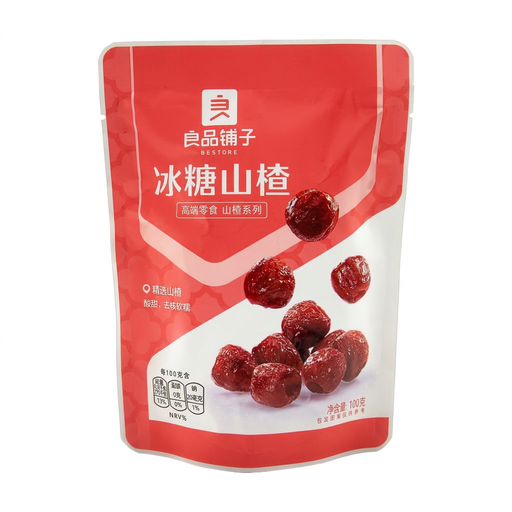
Why this fits the profile: A compact 100g pack is ideal for trying a sweet-and-sour hawthorn snack for the first time, or for sharing with a cup of tea.
The product information clearly states the ingredients: 67.73% hawthorn and sugar. So you can see upfront that this is a sweetened snack.
100g, ready to eat and with a recognisable sweet-and-sour flavour. The nutritional information shows 299 kcal and 65g sugar per 100g.
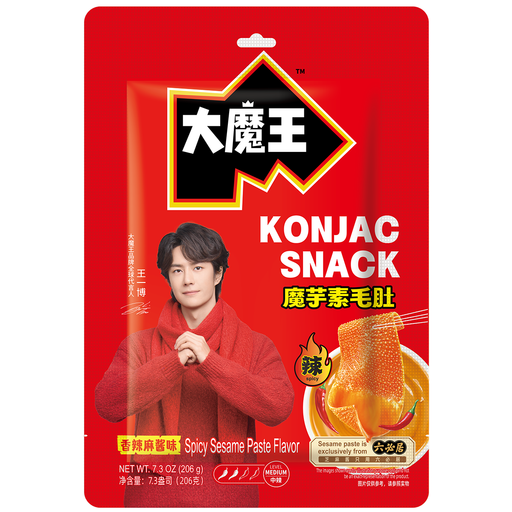
Why this fits the profile: The small inner packs make it easy to portion out, take with you, or serve during an evening with friends.
The ingredients and allergens are clearly listed. The product contains sesame, soya and wheat among other things, which prevents a wrong choice based solely on the word “plant-based”.
206g, ready to eat and available in portioned packs. Per 100g, the product information shows 134 kcal and 2.45g salt.

Why this fits the profile: The box contains 20 individual 18g sachets, making it ideal for stocking up, sharing or regular snacking.
The portions are pre-divided, so an opened large bag is less of an issue. Do check the listed allergens: soya and wheat.
360g in 20 portions, ready to eat and with a spicy flavour. Per 100g, the product information shows 114 kcal and 3.2g salt.
We’ve put together a full, up-to-date list of products that fully meet these strict selection criteria and comply with current European safety regulations.
Look for products with a clear plant-based ingredients list, such as tofu, konjac and wheat gluten snacks. Always check for soya, wheat, sesame and any animal-derived ingredients. “Vegetarian” doesn’t automatically mean a snack is free from allergens.
Most ready-to-eat snacks should be stored unopened in a cool, dry place away from direct sunlight. After opening, advice varies by product. Seal a bag tightly and follow the instructions on the packaging. Individual portions remain practical when you don’t want to open everything at once.
That varies a lot. Tofu strips, konjac snacks, spicy sticks and Sichuan skewers are generally more pungent than hawthorn snacks, dried fruit or drinkable jelly. If you’re unsure, start with a small pack and check the ingredients for chilli, Sichuan pepper and spicy sauces.
