
Vandaag of morgen in huis

Kwaliteit gegarandeerd

Welkomstaanbiedingen ontgrendelen: GRATIS bezorging | Tot 80% korting | Gratis 30 dagen JoyPlus-proefperiode
Download de app
Buying Chinese snacks might seem straightforward, but the range varies greatly in flavour, ingredients, portion size and shelf life. A packet with pretty fruit pictures, for example, doesn’t tell you how much fruit is actually inside. Likewise, terms like “natural”, “traditional” or “premium” don’t automatically give you the full picture of the product.
With these practical selection points, you can compare Chinese snacks and other Asian snacks based on verifiable information. That way, you’ll find something for everyday snacking, sharing with family and friends, or taking on the go.
Dried mango, dried strawberries and dried plums can contain added sugar, syrup or sweeteners. So don’t just look at the front of the packet – check the ingredients list and the nutritional information too.
A product might be mostly fruit, yet still have a relatively high sugar content per 100 grams. That’s normal for candied fruit, but it’s important to know this upfront.
A 50g or 70g bag is handy for on the go, but its price per 100 grams will differ from a 220g, 390g or 500g pack. For families or regular use, larger packs are often more practical. For a first try or variety, smaller portions are easier to manage.
So compare:
Chinese sweets, biscuits, nuts and hawthorn snacks can contain allergens such as gluten, egg, sesame, nuts or sulphites. Sulphites, for example, are found in some candied fruits and plum snacks.
Always check the label if you have an allergy or intolerance. Also look out for warnings about sweeteners, colourings and preservatives. The product packaging is the final authority if information online and on the label differs.
For fruit products, the fruit percentage is a useful comparison value. The Jia Jian Cheng Chu dried mango contains 90% mango according to the product information. The MUSHAN BASE Red Heart Sapodilla Fruit Snack contains 72% red flesh, alongside sugar, an acidity regulator and preservative.
With candied fruit, the sugar content is often higher. The MUSHAN BASE Candied Pineapple contains at least 75% pineapple and at least 17% sugar according to the product specification. That makes it suitable as a sweet snack or dessert decoration, but less fitting if you’re specifically looking for unsweetened dried fruit.
Nutritional values are usually listed per 100 grams. Use these figures to compare products fairly, even if the portion sizes differ.
Examples from the range:
None of these figures alone tells you which product is right for you. But they do help you make a choice based on how you plan to use it: a small fruit bar for on the go, a soft sweet snack for home, or an ingredient for salads and recipes.
Dried fruit, nuts and biscuits only stay pleasant to eat if you store them correctly. Many products require a cool, dry place, away from direct sunlight and moisture. Seal an opened bag tightly. Some soft products, like the Nongsao Baked Sweet Potato, need to be refrigerated after opening and, according to the product information, consumed within one day.
Also check the best-before date on the packaging. For products with a short remaining shelf life, this is sometimes clearly stated in the product name or offer.
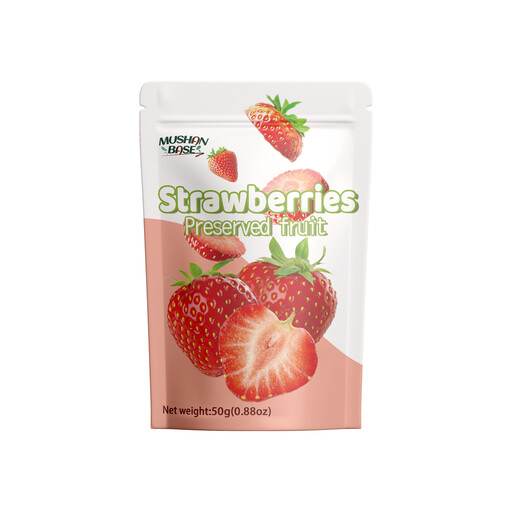
Why this fits the profile: A compact 50g pack to try dried strawberries first or take to work, school or on the go.
The ingredients are straightforward: dried strawberries and sugar. So you can see exactly what you’re buying, and waste from an oversized trial pack is kept to a minimum.
50g, ready to eat and, according to the product information, suitable as a topping for yoghurt or desserts.
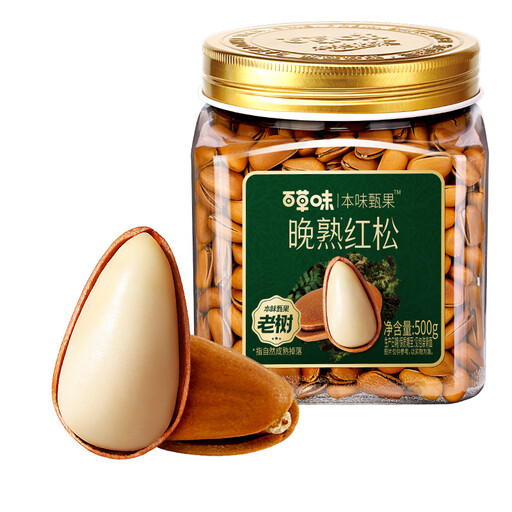
Why this fits the profile: A large pack for anyone who wants to use pine nuts both as a snack and in pesto, salads, baking or Asian recipes.
The product specification states a minimum of 95% pine nuts and lists palm oil separately. The nut allergen is also clearly indicated.
500g, roasted and ready to eat; also usable as a garnish or baking ingredient.
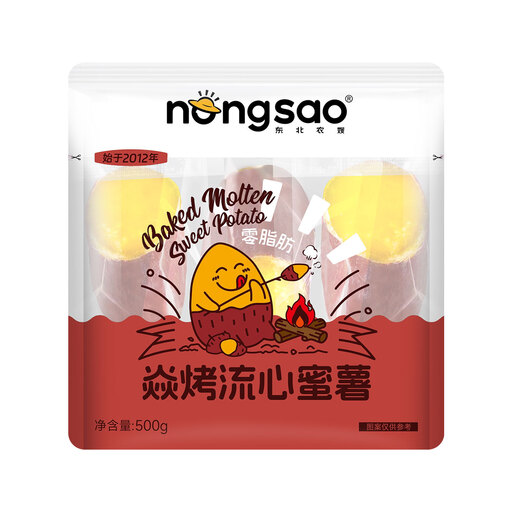
Why this fits the profile: The 500g pack suits families, shared supplies or regular snacking at home and in the office.
Only one ingredient is listed: sweet potato. The storage rule after opening is important though: keep refrigerated and consume within one day.
500g, ready to eat and, according to the product information, with no added preservatives.
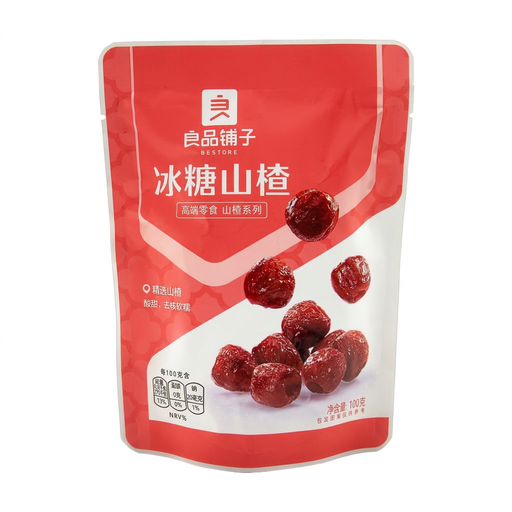
Why this fits the profile: A sweet-and-sour hawthorn snack for anyone wanting to try traditional Chinese treats or looking for an alternative to ordinary Chinese sweets.
The ratio is on the label: 67.73% hawthorn, 18.73% rock sugar and white sugar. So the sweet composition is clear upfront.
100g, ready to eat and, according to the product information, also usable for fruit tea.
We’ve put together a full, up-to-date list of products that fully meet these strict selection criteria and comply with current European safety regulations.
If you’re mainly after soft, sweet flavours, you can compare dried mango, candied pineapple, dried mandarin or red dates. For a crunchy snack, rice or cereal bars, crackers, banana chips and a chestnut snack are other options.
With specific products, pay extra attention to:
Small bags of 50 to 70 grams are practical for a bag, lunchbox or desk drawer. Think of dried strawberries, dried mango, white plum or candied pineapple. Check whether the pack is resealable after opening.
This varies by product and packaging. Store snacks in a dry, cool place away from direct sunlight. Always check the best-before date on the packaging. Soft products can lose their quality faster after opening than dry biscuits or nuts.
Check the allergen declaration and the full ingredients list. Common points to watch for are sulphites, nuts, gluten, wheat, egg and sesame. If in doubt, it’s safer not to use the product until the information on the label is clear.
