
Vandaag of morgen in huis

Kwaliteit gegarandeerd

Welkomstaanbiedingen ontgrendelen: GRATIS bezorging | Tot 80% korting | Gratis 30 dagen JoyPlus-proefperiode
Download de app
Chinese snacks come in many forms: from spicy wheat gluten and dried tofu to Chinese crisps, konjac snacks and hotpot ingredients. This wide range makes choosing fun, but also tricky. A striking packet doesn’t tell you much about the flavour, texture or whether it suits your diet.
Keep an eye on these three pitfalls:
First, see whether the product is ready-to-eat, chilled or frozen. A snack like Wei Long Spicy Stick is, according to the product information, ready to eat straight from the packet. A product like CHINATOWN Glutinous Rice Ball Peanut & Sesame, on the other hand, is a frozen raw product and must be thoroughly cooked.
For hotpot ingredients, the instructions for use are at least as important as the flavour. Dried Bean Curd Stick, for example, needs to be soaked in warm water for about 15 minutes. The 7FRESH Private Chef Assorted Tofu Platter is delivered frozen and contains several soya products with different cooking times.
Texture determines whether a product is suitable for a snack, a drink or a meal:
A product with “plant-based” on the front may still contain wheat gluten or soya. If you have an allergy or eat a strictly vegan diet, you must read the full ingredients list.
Compare nutritional values per 100 grams, but also look at the total packet. A 62-gram bag of Chinese crisps is quite different from a 360-gram box of konjac snacks with twenty individual portions.
Spicy Chinese snacks often contain relatively high levels of salt. For example, the product information for Wei Long Konjac Snack Spicy Flavour Vegetarian Tripes states 3.16 grams of salt per 100 grams. For Yan Jin Pu Zi MOWON Konjac Snack Spicy Sesame Sauce Flavor, it’s 2.45 grams of salt per 100 grams. That doesn’t make these products unsuitable, but it’s useful information if you plan to eat several portions.
Also watch out for common allergens such as soya, wheat, gluten, sesame, peanuts and sulphites. “Vegetarian” doesn’t automatically mean free from soya or gluten.
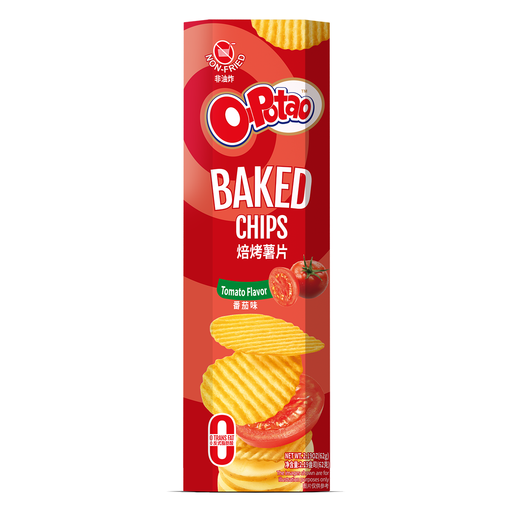
Why this fits the profile: A compact bag of Chinese crisps for anyone wanting to try an accessible flavour and crispy texture first. The tomato flavour is a twist on standard plain crisps.
The packaging states a net weight of 62 grams and clear nutritional values per 100 grams. This lets you estimate the portion and composition in advance.
Baked potato snack; 62 grams; tomato powder as an ingredient; ready-to-eat.
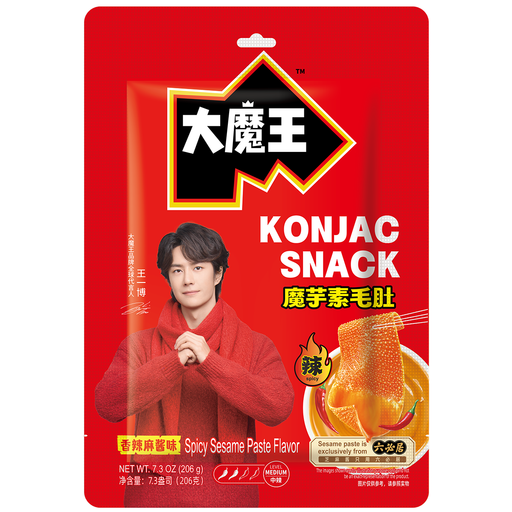
Why this fits the profile: Ideal for fans of a firm bite and a combination of chilli, sesame and Sichuan pepper. The small inner packs are practical for portioning or sharing.
The product information explicitly lists soya, wheat and sesame as allergens. So you don’t have to guess whether the plant-based snack suits your diet.
206 grams; ready-to-eat; konjac as a base; 134 kcal and 2.45 grams of salt per 100 grams according to the product information.
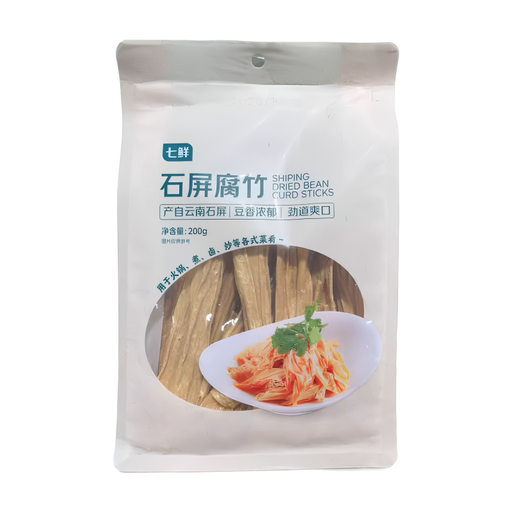
Why this fits the profile: For home cooks who want to combine Chinese snacks with hotpot, stir-fries or stews. This isn’t a ready-to-eat snack, but a versatile cooking ingredient.
The preparation method is clear: soak in warm water for about 15 minutes and then drain. This makes the difference between dried and ready-to-eat obvious.
200 grams; ingredient is soya; suitable for hotpot, stir-frying and stewing; can be stored dried according to the product information.
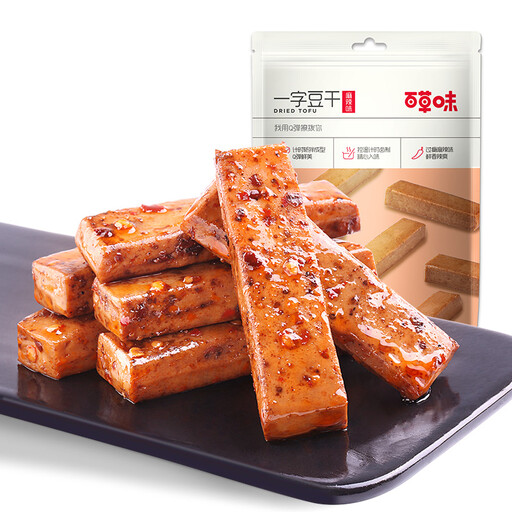
Why this fits the profile: This dried tofu is designed as a savoury, firm snack. The individual packaging makes it suitable for on-the-go, a drink or as an addition to noodles.
The ingredients and allergens explicitly mention soya and wheat gluten. It also states that the product can be eaten straight from the packet.
200 grams; 12 grams of protein per 100 grams; chewy texture; ready-to-eat; individually wrapped.
We’ve put together a full, up-to-date list of products that fully meet these strict selection criteria and comply with current European safety regulations.
Tofu snacks, konjac snacks, dried tofu and wheat gluten snacks are often available in vegetarian versions. However, always check the ingredients list. A product may contain soya and wheat, and “vegetarian” doesn’t automatically mean vegan. Also look out for flavourings, sauces and any animal-derived ingredients.
Tofu snacks are usually ready-to-eat and seasoned, for example in strips or small portions. Dried tofu, such as bean curd sticks, is mainly a cooking ingredient. It must first be soaked and then added to hotpot, soup or a stir-fry.
Store dry, unopened snacks according to the label in a cool, dry place. After opening, some products need to be sealed tightly and consumed quickly. Opened chilled or frozen products have different rules. So always follow the storage and best-before information on the packaging.
