
Vandaag of morgen in huis

Kwaliteit gegarandeerd

Welkomstaanbiedingen ontgrendelen: GRATIS bezorging | Tot 80% korting | Gratis 30 dagen JoyPlus-proefperiode
Download de app
Buying Chinese snacks in the UK can seem straightforward, but the range varies greatly in flavour, size, storage method and preparation. Whether you’re after Chinese biscuits for your tea, Chinese pastries for a party, or frozen dim sum for a quick meal, don’t rely solely on the product photo or a catchy brand name.
The main pitfalls to watch out for are:
First, distinguish between ambient snacks and frozen products. Pineapple cake, sachima, fried dough twists and filled egg rolls can usually be eaten straight away. Store them according to the label in a cool, dry place and seal the pack well after opening.
When buying frozen dim sum, the cold chain is more important. Products such as siu mai, har gow, meat buns and glutinous rice balls should be kept at -18 °C or lower. Once thawed, they must not be refrozen. Also check whether the product is cooked from frozen or needs to be thawed first.
For a tea-time treat or a small household, packs of around 100g to 200g are practical. Individual wrapping helps keep the crispness and freshness better after opening.
For a family, birthday or office, larger packs are more appealing. But do consider the number of portions and the shelf life after opening. A big pack of sachima or meat buns only makes sense when several people are eating them.
Under European labelling rules, key allergens must be clearly stated. So check the label before you order, especially with mixed dim sum. Many Chinese snacks contain gluten, egg, milk, soya and sesame. Dim sum may also include shellfish.
Nutritional information per 100g makes products easier to compare. A pineapple cake, for example, often contains more sugar than a savoury snack, while a dough twist can be relatively high in fat. This doesn’t mean one is better or worse for you, but it helps you make an informed choice.
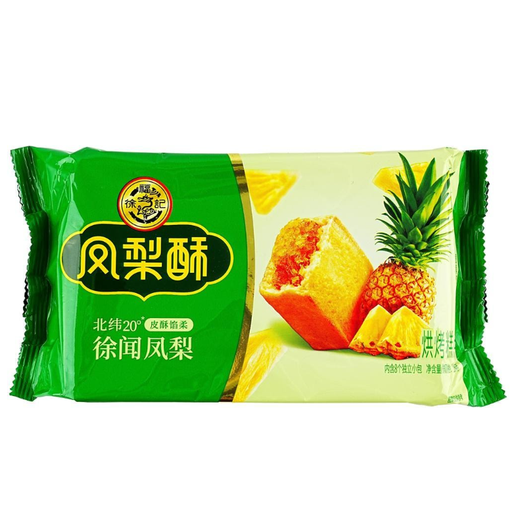
Why it fits this profile: A compact pack for anyone wanting to try Chinese pastries without committing to a large quantity. Ready to eat and perfect for a tea-time treat.
The net weight is 184g and the snack requires no heating. Do check the listed allergens: wheat, egg and milk.
Pineapple cake with a filling that, according to the product information, contains 13% pineapple; store in a cool, dry place.
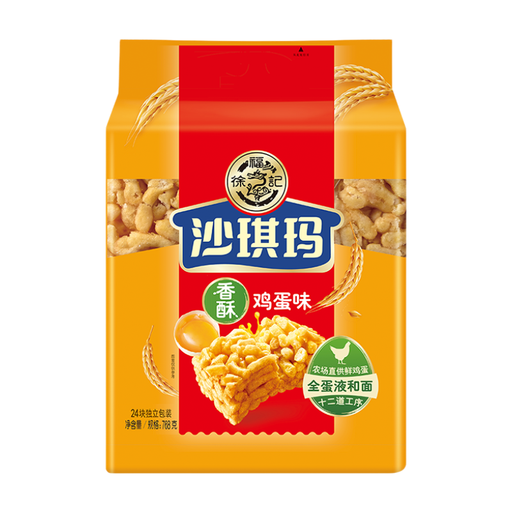
Why it fits this profile: A generous choice for sachima lovers who want a stock for family, guests or the office.
The individual sachets limit air exposure after opening. The pack is large, so check beforehand that you have enough people to share it.
768g with individually wrapped portions; the product is ready to eat according to the product information. Contains wheat, soya and milk.
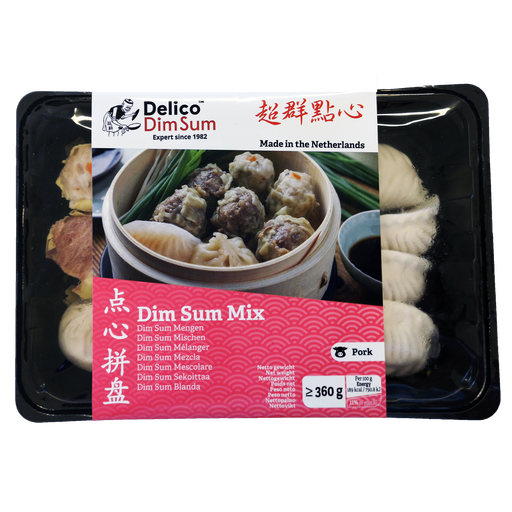
Why it fits this profile: Ideal if you want to serve different types of dim sum without buying several separate packs.
The mix states four varieties and a cooking method from frozen. It is not a ready-to-eat snack: thorough steaming is essential.
Includes har gow, beef and pork siu mai, and xiao long bao. Store at -18 °C or lower; contains wheat, shellfish, sesame and soya.
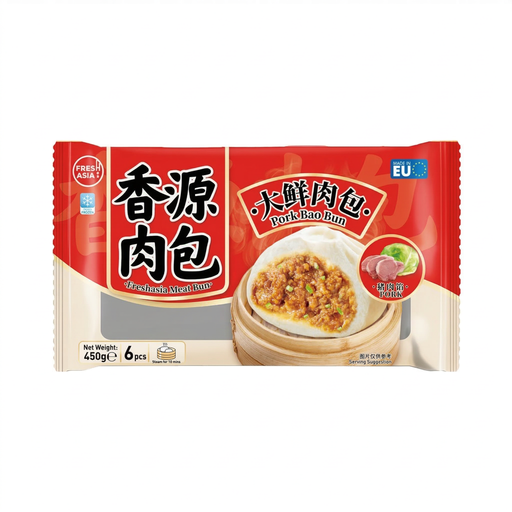
Why it fits this profile: A frozen pack for breakfast, a savoury snack or a light meal when there are several people to feed.
The instructions clearly state that the buns must not be eaten raw and must be fully steamed. So the preparation is clear from the start.
450g, suitable for steaming from frozen; according to the product information it contains 21% pork. Allergens are wheat, soya and sesame.
We’ve put together a full, up-to-date list of products that fully meet these strict selection criteria and comply with current European safety regulations.
Ambient products such as sachima, pineapple cake, Chinese biscuits, egg rolls and fried dough twists are practical for a tea-time treat. Pay attention to the packaging, allergens and the amount per portion. For a small group, compact packs are usually easier to manage than large family-size packs.
Check that your freezer stays at -18 °C or lower and store the product chilled as soon as it arrives. Read the cooking instructions: some products can be steamed, baked or fried straight from frozen, but must not be eaten raw. Thawed products should generally not be refrozen.
That depends on the pack size, delivery costs and how many products you order. A large pack can work out cheaper per 100g, but only if you use it within the stated storage period. So compare price per 100g, net weight, storage and preparation method rather than just the offer price.
