
Vandaag of morgen in huis

Kwaliteit gegarandeerd

Welkomstaanbiedingen ontgrendelen: GRATIS bezorging | Tot 80% korting | Gratis 30 dagen JoyPlus-proefperiode
Download de app
Chinese snacks come in many varieties: from dried fruit and sweet-and-sour plum snacks to mochi, gummies and sesame treats. For British shoppers looking to buy Asian snacks online, it can be tricky to judge the difference between packs. A striking photo or a term like “premium” tells you very little about the ingredients, portion size or shelf life.
With this practical selection guide, you can compare Chinese sweets and traditional Chinese snacks on verifiable points. That way, you’ll find something for on the go, for your store cupboard, or for a sharing platter.
Dried mango, red dates and hawthorn snacks naturally contain sugars. Extra sugar may also have been added. So don’t just look at the words on the front – check the ingredients list and the nutritional values per 100 grams.
For example, the Yan Jin Pu Zi Large Dried Mango Slices contain 83% mango, plus sugar, glucose and maltose. The nutritional information shows 61.5 grams of sugars per 100 grams. That makes it a sweet snack, even though the main ingredient is fruit.
A 50g or 70g bag is handy for on the go, but the price per 100 grams can be higher than for a larger pack. So compare the net weight, the number of individual portions and the price per weight.
A smaller size is practical when you want to try a new flavour. For sharing or regular snacking, packs of 160g to 500g are often more sensible.
Plum snacks and dried berries often have a pronounced combination of sour, sweet and salty. That’s typical of many Chinese snacks, but check the nutritional values if salt intake matters to you.
For instance, Jia Jian Cheng Chu Preserved Plum Halves lists 8.5 grams of salt per 100 grams. Jiajianzheng Prune 120G uses sweeteners, including aspartame. The label also states that the product contains a source of phenylalanine. If that’s something you need to be aware of, always check the pack before buying.
First, check the percentage of the main ingredient. For dried mango, orange or red dates, that’s a good indication of the composition. Also look out for:
The allergen information on the pack is what you should rely on. Product descriptions can change, so if in doubt, check the current label.
Use the table per 100 grams to compare products fairly. This is especially useful for:
For example, the Want Want-QQ Gummy Cola Flavour contains 45 grams of sugars per 100 grams and comes in a 70g pack. The pack also states that the production line processes products containing gluten, soya and fish.
Check whether the snack needs to be consumed quickly after opening. Some products harden due to moisture loss, while others can become sticky in warm conditions. Store most snacks in a cool, dry place away from direct sunlight. Seal an opened pack tightly.
For snacks on the go, individual portions or a resealable bag are handy. For home use, a larger pack can be better value, as long as you can follow the shelf life and storage instructions.
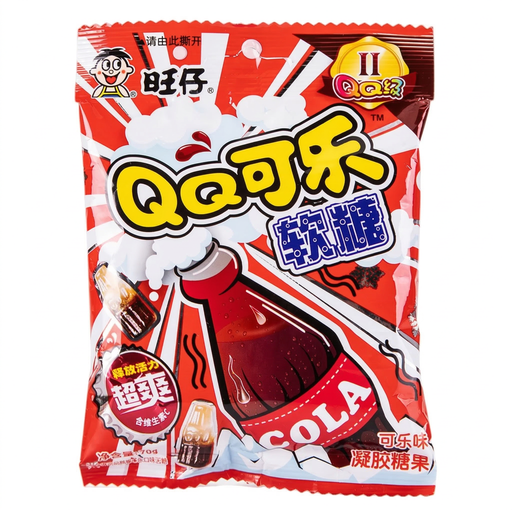
Why this fits the profile: The 70g pack is a manageable size if you’re trying Chinese gummies for the first time or looking for a small snack for on the go.
The net weight and nutritional values are clearly stated. So you can see upfront that it’s a sweet with 45 grams of sugars per 100 grams.
Cola flavour, soft chewy texture and a compact size. The ingredients include gelatine, pectin and vitamin C.

Why this fits the profile: This dried mango is suitable if you’re particularly interested in the stated fruit content and want a soft, chewy texture.
The quantitative ingredient declaration states 83% mango. At the same time, it clearly notes that sugar and syrups have been added.
160g content, ready to eat and suitable for home or on the go. Please note: this product contains sulphites and lists 61.5 grams of sugars per 100 grams.
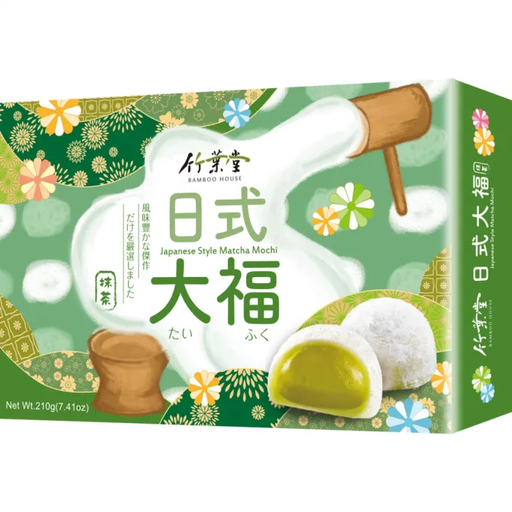
Why this fits the profile: The 210g pack suits mochi lovers who want a shareable snack for guests, film nights or an Asian dessert moment.
The ingredients and nutritional values are listed, including red beans, glutinous rice flour and sesame. Check this list if you have allergies.
210g content, matcha flavour and a soft mochi texture. Per 100 grams, the label states 32 grams of sugars.
We’ve put together a full, up-to-date list of products that fully meet these strict selection criteria and comply with current European safety regulations.
If you enjoy fruity snacks, you might also like HaoXiangNi Crispy Red Jujube Slices, which contain only red dates as an ingredient, or Xue Ji Original Hawthorn Strips, with over 55% hawthorn and sugar. For a pronounced sweet-and-sour taste, Be&Cheery Red Bayberries and various plum snacks are options worth comparing side by side.
With sesame snacks, check for allergens and energy values. The Haoxiangni red date black sesame balls contain sesame and may contain traces of soya, wheat, peanuts, nuts and milk. That way, you choose not just on flavour, but also on suitability for your household.
Small packs such as Want Want-QQ Gummy (70g), dried mango (160g) and plum snacks (108g to 120g) are practical to take with you. In warm weather, choose a product that the pack says should be stored in a cool, dry place.
It varies by product. According to the product information, dried mango and hawthorn strips often need to be eaten soon after opening. Store mochi and gummies tightly sealed to prevent them drying out or hardening. Always check the date and instructions on the pack.
Not always. Compare the price per 100 grams, the net weight and the number of portions. A small bag can be handy for testing a flavour, while larger packs such as 200g hawthorn strips or 500g mixed plums are better suited for sharing.
