
当日/次日达

品质保障

开启新人专享福利: 全场免邮 | 低至 2 折 | 免费试用 30 天 JoyPlus 会员
下载 Joybuy
Buying Chinese noodles seems simple until you have to choose between wide noodles, thin noodles, instant noodles or hand-pulled noodles. Packaging often features words such as “authentic”, “handmade” or “restaurant-style”, but these terms do not always tell you how the noodles will behave in the pan.
Instead, focus on information you can verify: the ingredients, shape, cooking time, pack size and allergens. This helps you avoid noodles becoming too soft in soup, failing to hold sauce properly or sitting unused in the cupboard after just one meal.
For dried noodles, “handmade” or “hand-rolled” often refers to the production method or the intended texture. That is different from freshly prepared, hand-pulled noodles. Check whether the product is dried, chilled or frozen, and follow the preparation instructions on the packaging.
Wide noodles and knife-cut noodles have more surface area. As a result, they hold on to plenty of sauce and stock. This is useful for Dan Dan noodles or a hearty noodle soup, but less practical when you want to make a light stir-fry in which the individual ingredients remain clearly distinct.
With instant noodles, the flavour often comes from several sachets containing oil, spices, soy sauce or sesame. So check the ingredients list and nutritional information per 100 grams. Pay particular attention to wheat, soya, sesame, peanuts and mustard. The level of heat is also not always easy to judge from the front of the packaging. If in doubt, add only some of the chilli oil to begin with.
A short ingredients list containing, for example, wheat flour, water and salt gives you a clear idea of the basic ingredients. That does not automatically mean you will enjoy the flavour or texture, but it does make comparisons easier. Also check the allergen information. Most wheat noodles contain gluten; instant varieties may also contain soya, sesame, peanuts or mustard.
Products containing vegetable, herb or flavour sachets may include additional additives and preservatives. That is not necessarily a reason to reject the product, but it is a good reason to read the label carefully if you are shopping with specific requirements in mind.
A 250- to 500-gram pack is practical when you want to try several different types. A family pack of 800 grams to more than 1.8 kilograms is better suited to families, frequent users or catering. Store dried noodles in a cool, dry place and seal opened packaging properly.
Cooking time is a useful guide, not a fixed guarantee. Thin noodles may be ready after 3 to 5 minutes, while wide or hand-rolled varieties may need around 5 to 8 minutes. Taste them shortly before the end of the cooking time, and only rinse the noodles if the recipe calls for it. For stir-fries, you can cook them for slightly less time so that they finish cooking in the wok.
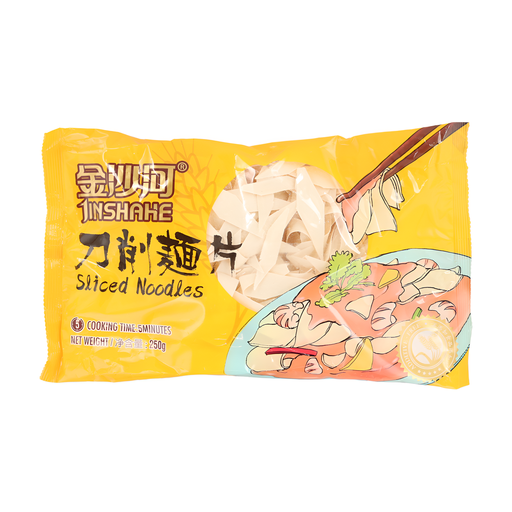
Why it suits this profile: A compact pack for trying wide, knife-cut noodles without immediately buying a large bulk pack. The product description lists soup, stir-fries and hearty noodle meals among its uses.
The ingredients and net quantity are clearly stated: wheat flour, water and salt, 250 grams. The cooking time of 5–7 minutes provides a clear starting point.
Wide ribbon shape and firm texture, suitable for both stock and sauce. Contains wheat and gluten.
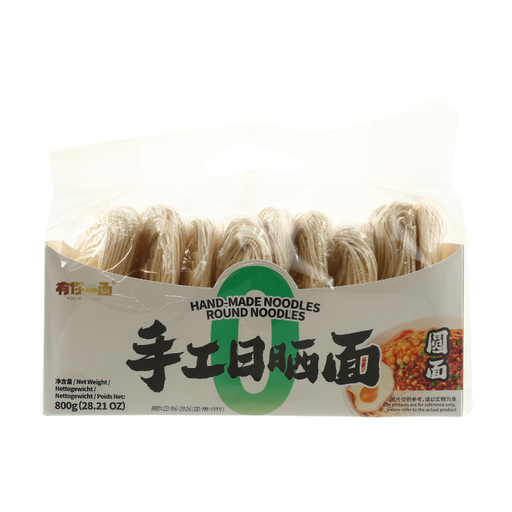
Why it suits this profile: The round, dried wheat noodles are suitable for anyone who values texture and wants to use one pack for soup, stir-fries or cold preparations.
The product information states the basic ingredients and a cooking time of 5–8 minutes. This allows you to adjust the bite to your preference.
An 800-gram pack of round noodles with, according to the product description, a smooth, springy texture. Suitable for several preparation methods.
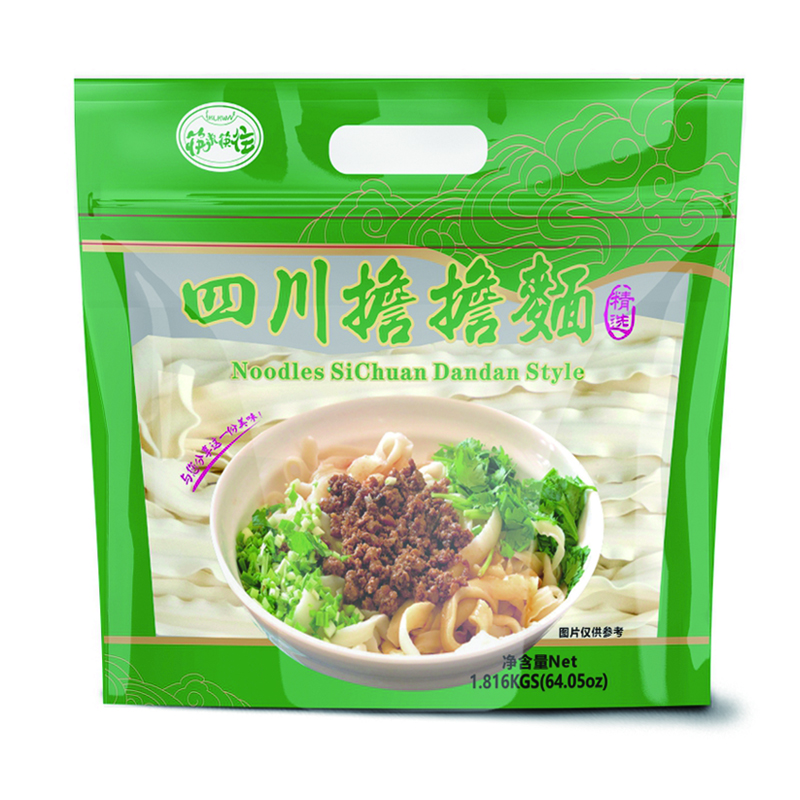
Why it suits this profile: A bulk pack for households, caterers or lovers of spicy Sichuan noodles who regularly want to prepare Dan Dan noodles with their own sauce.
You are buying only the dried noodles, so you decide how much chilli, sesame paste or stock to use. The packaging lists wheat as an allergen.
Thin, round noodles weighing 1.816 kilograms that, according to the product description, absorb sauce well. Also suitable for soup, stir-fries, cold noodles and hotpot.
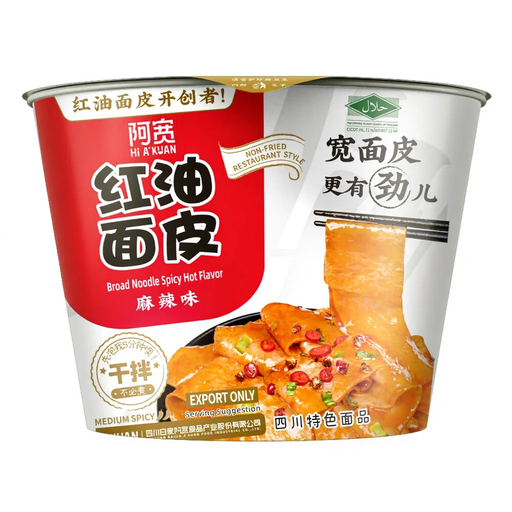
Why it suits this profile: A single-serving pack with wide, non-fried noodles and separate flavour sachets. Convenient for a quick meal without having to measure out individual ingredients.
The cooking instructions are clear: soak in boiling water for 5–6 minutes, then drain. Check the listed allergens beforehand: wheat, soya, sesame and mustard.
Wide, elastic noodles with chilli oil and sachets of spices and vinegar. You can adjust the heat by leaving out some of the oil.
We have put together a complete, up-to-date list of products that fully meet these strict selection criteria and the applicable European safety regulations.
For noodle soup, you can choose round Lanzhou noodles, hand-rolled wheat noodles or wide knife-cut noodles. Wide varieties absorb more stock, while thin noodles offer a lighter bite. It is best to cook the noodles separately if you want to keep the stock clear.
Thin or medium-wide wheat noodles work well in stir-fries. Cook them for slightly less than the stated maximum time and let them finish cooking in the wok. Rinse them briefly if you want to limit further cooking. According to the product description, yellow Chinese noodles with turmeric are suitable for stir-fries, soup and hotpot; do check the exact ingredients and origin on the packaging.
Always check the date on the packaging and store the product in a cool, dry place away from direct sunlight. Once opened, it is best to seal the noodles in an airtight container. Instant noodles and opened flavour sachets are intended to be consumed immediately after preparation. Storing cooked noodles repeatedly can noticeably alter their texture.
