
Vandaag of morgen in huis

Kwaliteit gegarandeerd

Welkomstaanbiedingen ontgrendelen: GRATIS bezorging | Tot 80% korting | Gratis 30 dagen JoyPlus-proefperiode
Download de app
Chinese noodles come in many shapes, thicknesses and textures. A thin noodle for clear broth has different qualities to a wide noodle for sauce or a sturdy noodle for hotpot. Yet packets on the shelf often look similar. That makes it easy to buy a bulk pack that doesn't suit your favourite dish.
The main pitfalls to watch out for are:
The shape affects how a noodle absorbs sauce and broth:
For example, the Sichuan Dan Dan noodles from Kuai Lai Kuai Wang are, according to the product description, round noodles approximately 0.125 cm wide and 20 cm long. The Shanxi variety has a square cross-section of about 0.5 cm wide and 0.9 cm thick. You'll notice the difference in the pan: the first is thinner and absorbs sauce easily, while the second gives more body to a broth.
Always check the ingredients list and allergen information. Many handmade noodles are made from wheat flour, water and salt, but check this for each product. Wheat means the product contains gluten.
Varieties with buckwheat or spinach have a different composition. The soba noodles from Hui Ji, for example, contain wheat flour and buckwheat flour. The five-grain variety contains wheat, buckwheat and konjac among other ingredients. The spinach variety contains spinach powder and also lists sulphites.
A green colour is therefore not automatically proof of a particular effect or nutritional value. Look at the actual ingredients and nutritional information on the packet.
The stated cooking time is a practical point of comparison:
Use a large pan of boiling water and stir gently at the beginning to prevent sticking. Only rinse noodles when the recipe calls for it, for example with cold noodles or to stop the cooking process. For soup, you can usually add them straight to the broth after draining.
Also pay attention to the packet size. A pack of 250 or 500 grams is suitable for trying a type first. A bulk pack of Chinese noodles of 1.8 to 2 kg is more worthwhile when you cook regularly, have multiple mouths to feed or need a supply for catering.
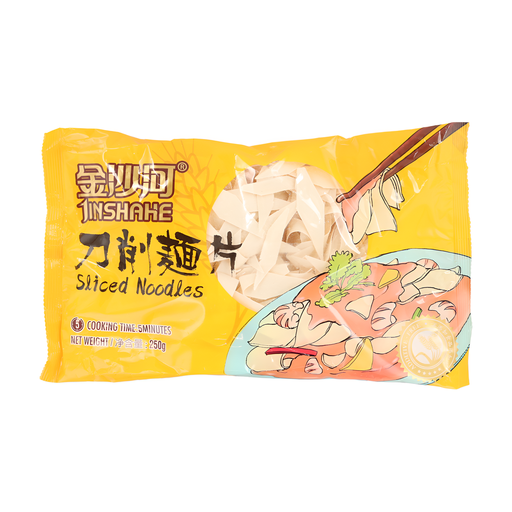
Why this fits the profile: The 250-gram pack is manageable when you want to try wide, knife-cut noodles for the first time.
You're not immediately committed to a large stock. The product description states a cooking time of 5 to 7 minutes and three simple ingredients: wheat flour, water and salt.
Wide ribbon shape; suitable for soup and stir-fries; net weight of 250 grams.
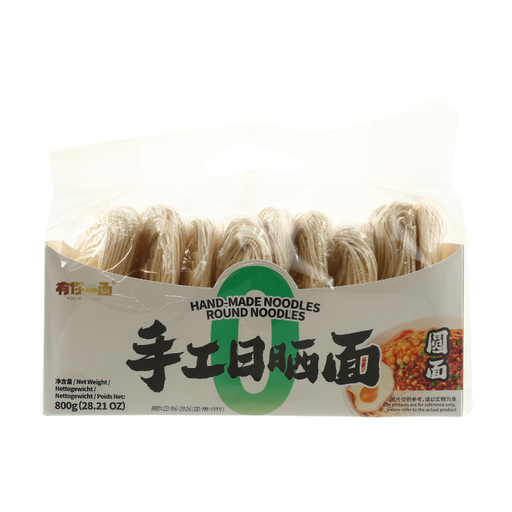
Why this fits the profile: These round handmade noodles suit home cooks who value texture for soup, stir-fries and cold preparations.
The product information gives concrete preparation details: 5 to 8 minutes cooking and 800 grams net weight. This helps you plan your cooking and estimate your stock.
Round shape; handmade and sun-dried product description; suitable for multiple cooking methods.
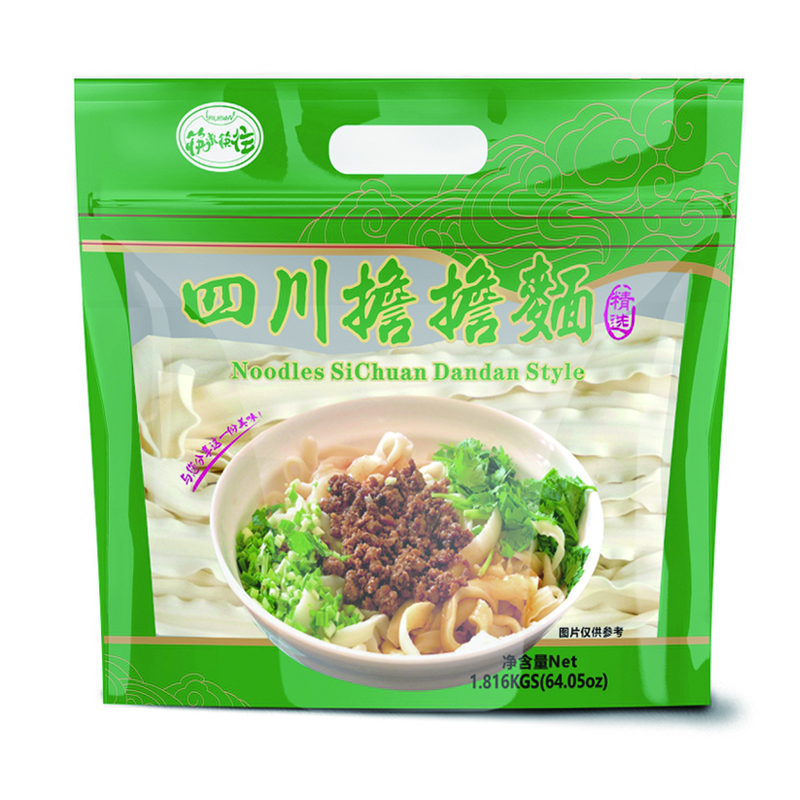
Why this fits the profile: The large pack is suitable for frequent preparation of Dan Dan noodles, soup, cold noodles or hotpot.
The specifications clearly state size, cooking time and ingredients: round noodles approximately 0.125 cm wide, 5 minutes of cooking time and wheat as an allergen.
1.816 kg net weight; thin round shape; according to the product description, suitable for sauce-rich Dan Dan noodles.
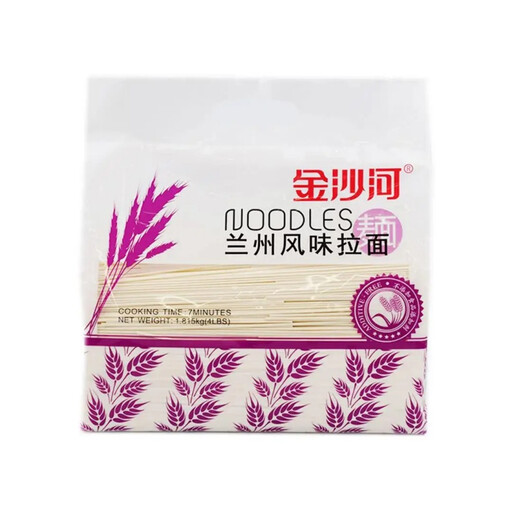
Why this fits the profile: A large bag is practical for families, meal prep or small-scale catering with noodle soup and stir-fries.
The product page states a simple composition and a cooking time of 3 to 5 minutes. This allows you to plan the product for different dishes.
1.815 kg net weight; wheat flour, water and salt; suitable for soup, stir-fries and cold noodles.
We've put together a full, up-to-date list of products that fully meet these strict selection criteria and current European safety regulations.
For soup, you can choose round Lanzhou noodles, thin Yangchun noodles or thicker Shanxi noodles. Pay particular attention to the desired bite and the cooking time. Thick noodles generally remain more distinct in a hearty broth, while thin noodles cook more quickly.
Store the unopened packet according to the label in a cool, dry place, away from moisture and direct sunlight. Seal an opened bag tightly or use an airtight storage container. Always check the best-before date on the packet.
No. Many hand-pulled noodles in the range are dried noodles that, according to the product description, imitate a hand-pulled or hand-rolled style. They still need to be cooked and have a longer shelf life than fresh noodles. Check the preparation method and ingredients on each packet.
