
Livraison le jour même et le lendemain

Qualité garantie

Débloquez vos offres de bienvenue: Livraison GRATUITE | Jusqu'à -80 % | 30 jours d'essai gratuits à JoyPlus
Téléchargez l'application
Chinese noodles come in many forms, from simple dried Chinese noodles to instant noodles with spicy sauce. The difference isn't just about flavour. Cooking time, texture, portion size, ingredients and allergens all determine whether a pack is right for your kitchen.
For British households, there are three common buying mistakes:
For stir-fries, firm, smooth noodles are practical. They hold their shape better when you toss them briefly in a hot wok after cooking. For Chinese noodle soup, thinner noodles are often suitable because they cook quickly and pair well with broth.
Pay attention to the stated cooking time. Some products need just 2 to 4 minutes; others require 5 to 8 minutes.
Many Chinese noodles contain wheat and gluten. Products with sauce may also contain soya, sesame, peanut, egg, fish or shellfish. Always read the label if you have an allergy or intolerance.
A short ingredients list doesn't automatically mean a product suits every diet. According to the product information, Toyoung Wuhan noodles consist of wheat flour and salt, but therefore do contain wheat. Instant varieties often have more complex flavourings, oil and salt.
For halal instant noodles, it's wise to check the product description and packaging. The product information for Halal Food Bai Xiang Instant Noodles states halal in the product name; upon receipt, also check the current packaging and certification information.
A pack of 200 to 400 g suits occasional use or a small household. For meal prep or multiple diners, packs of 1 to 2 kg are more practical. Just remember to seal opened dried noodles properly and store them in a dry place.
Also compare the nutritional values per 100 g. Instant noodles with flavour sachets can contain significantly more salt than loose noodles where you add your own sauce. With a complete product, you need to account for all the sachets, not just the dry noodle block.
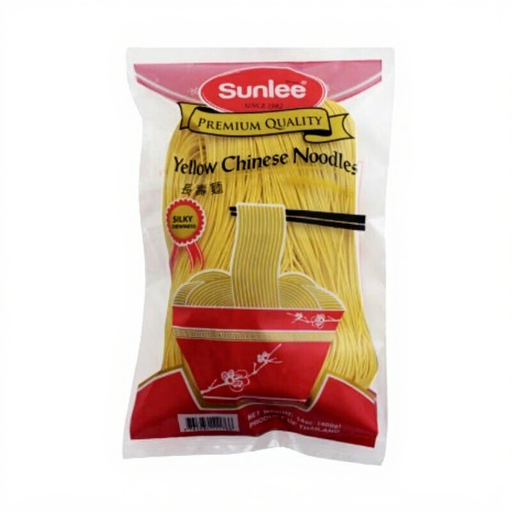
Why this fits the profile: A simple base for anyone who wants to decide which sauce, vegetables or protein goes into the meal.
No separate flavour sachet means you're not paying for a taste you might not use. The preparation method states 2 to 4 minutes of boiling.
400 g pack; suitable for soup and stir-fry; ingredients are wheat flour, water, salt and turmeric.
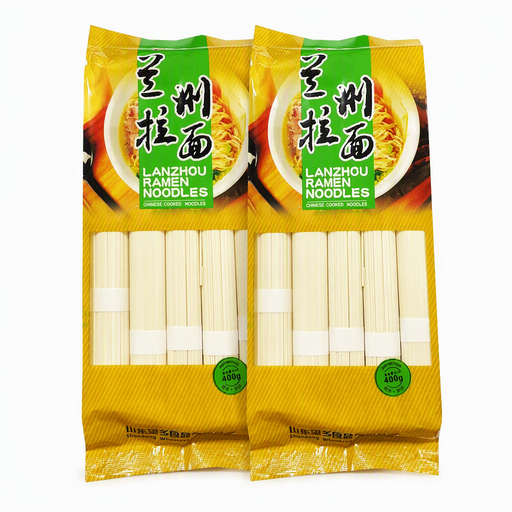
Why this fits the profile: A great choice for fans of regional noodle dishes who want to make their own broth or stir-fry sauce.
The product information clearly states its use in broth and stir-fry, without locking you into a pre-determined instant flavour.
Two packs of 400 g; ingredients: wheat flour, water and salt; cooking time of 4 to 6 minutes.
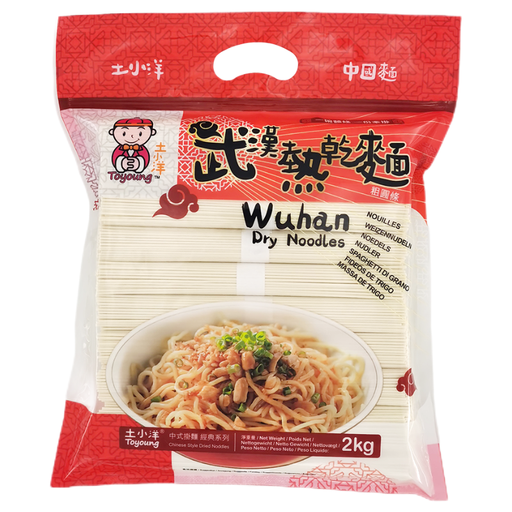
Why this fits the profile: Suitable for families, meal prep and fans of Wuhan hot dry noodles who cook regularly.
The large pack means you don't need separate instant portions for every meal. You add your own sesame paste, soy sauce, vinegar or chilli oil.
2 kg pack; cooking time of 4 to 5 minutes; suitable for hot, cold and stir-fried dishes.
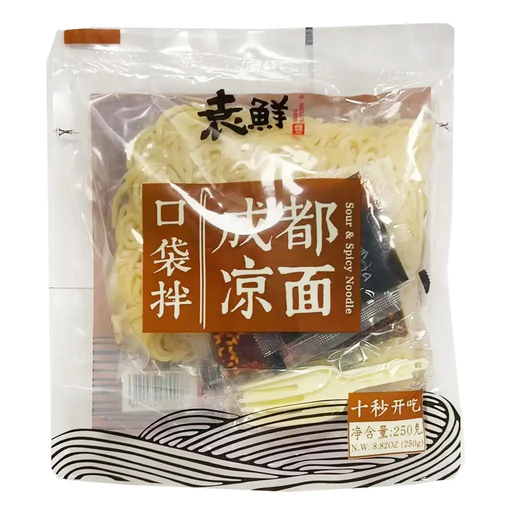
Why this fits the profile: Handy for students and busy households who want a cold, spicy Sichuan dish without gathering multiple ingredients.
The packaging states pre-cooked noodles and separate sauce and topping sachets. So you don't need to measure out chilli oil, vinegar and Sichuan pepper yourself.
250 g pack; mix directly, following the product instructions; contains soya, peanut and sesame among other ingredients.
We've put together a full, up-to-date list of products that fully meet these strict selection criteria and comply with current European safety regulations.
Ramen usually refers to a Japanese noodle soup, whereas Chinese noodles cover a broad group of regional products. Examples include Lanzhou noodles, Wuhan noodles, Sichuan noodles and Chongqing noodles. The shape, thickness, sauce and preparation can vary widely.
Bring plenty of water to the boil and follow the cooking time on the pack. Drain the noodles and briefly rinse them with cold water if you're using them for a cold dish or stir-fry. Then add broth, sauce or vegetables.
Instant noodles are mainly practical as a quick meal. Check the nutritional values and salt content per portion, and add vegetables, egg or another source of protein if you like. If the salt content is high, you don't have to use all the flavour sachets.
