
Vandaag of morgen in huis

Kwaliteit gegarandeerd

Welkomstaanbiedingen ontgrendelen: GRATIS bezorging | Tot 80% korting | Gratis 30 dagen JoyPlus-proefperiode
Download de app
Buying Chinese noodles seems simple enough, until you have to choose between wide noodles, hand-pulled varieties, rice noodles, instant noodles and buckwheat noodles. The shape, ingredients and cooking method all have a big impact on how a dish turns out.
Many packets use terms like “authentic”, “handmade” or “premium”. On their own, these words don’t tell you much. So it’s best to look for verifiable information instead: the type of flour, the width, the cooking time, the portion size, allergens and the suggested use.
Hand-pulled noodles, such as Lanzhou noodles, are often associated with a specific preparation method. Dried versions, however, are long-lasting and convenient, but they don’t have the same preparation as fresh dough in a restaurant. Check whether the product is dried, pre-cooked or ready to eat.
A bag of 1.8 or 2 kilograms can be good value for families and regular users. If you only eat noodles occasionally, you’ll need to make sure you store them in a dry, well-sealed container after opening. Also pay attention to the best-before date and the recommended storage conditions on the packet.
Spicy noodles often contain several sachets of chilli oil, soy sauce, vinegar or spices. The flavour comes together in no time, but the nutritional value can differ significantly per portion. With instant noodles, it’s wise to check the nutritional information per 100 g as well as the portion size. If you want a milder flavour, you can always add only some of the sauce or oil.
Wheat noodles are firm and suitable for soups, stir-fries and noodles with sauce. Wide noodles hold onto a relatively large amount of sauce. That makes them ideal for sesame paste, chilli oil and hearty broths.
Rice noodles have a different texture and are often used in light soups, stir-fries and cold salads. Always check whether they need to be soaked or boiled.
With buckwheat noodles, it’s important to check the percentage of buckwheat flour. A product may contain buckwheat, but still be mostly wheat. According to the product specification, BaiXiang Buckwheat Noodles contain 15% buckwheat flour.
Dried noodles usually need to be boiled for 3 to 8 minutes. Hand-cut noodles and wider varieties often need longer than thin noodles. Stir them during cooking to prevent sticking, and follow the instructions on the packet.
Instant varieties work differently. According to the product information, A’Kuan Red Oil Broad Noodle Sesame Paste Flavor is soaked in boiling water for 5 to 6 minutes. The noodles are not fried and are then mixed with sachets of sauce, vinegar and spices. That makes them practical for a quick meal, but do check the allergens: this product contains wheat, soya and sesame, among other things.
Relevant allergens must be clearly stated on European packaging. For many Chinese noodles, this means wheat and gluten. Sauces may also contain soya, peanuts or sesame.
Also pay attention to the net weight. A 250 g packet is a good size for trying out a new type. Large packs of 800 g to 2 kg make more sense for families, meal prep or regular use.
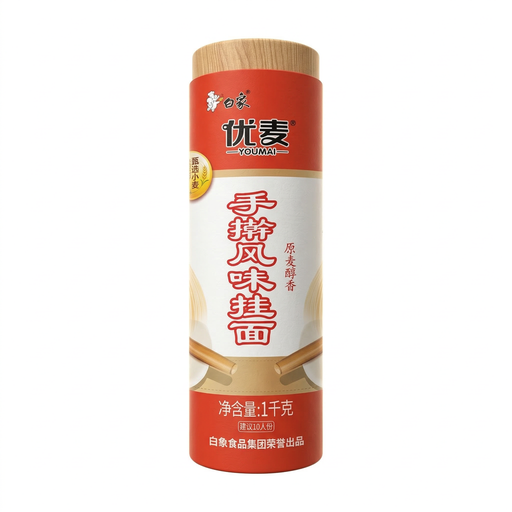
Why this fits the profile: The 1 kg packet gives you plenty to try out different recipes, from soup to stir-fried noodles and cold noodle dishes.
The preparation method is clear: boil for 4 to 6 minutes. The product is not intended to be eaten raw.
Wheat flour, starch, salt and raising agent as main ingredients; suitable for soup, stir-fries and cold dishes.
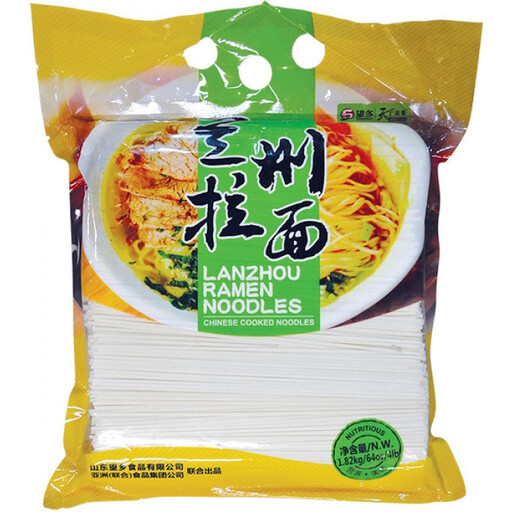
Why this fits the profile: If you want a sturdy base for noodle soup, you get a large packet with a short list of ingredients.
The product specification lists only wheat flour, water and salt. The noodles are dried and need to be boiled.
1.82 kg net weight; according to the product description, intended for broth and combinations with toppings.
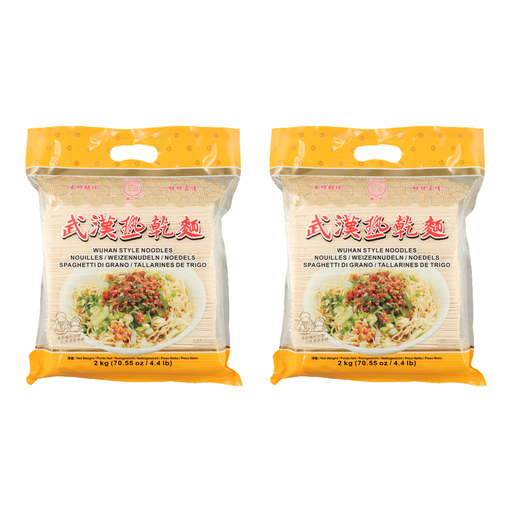
Why this fits the profile: This bulk pack is aimed at households that cook often or want to make Wuhan hot dry noodles with sesame paste.
The preparation is clearly described: boil for about 4 minutes, rinse briefly and mix with sesame paste, soy sauce or chilli oil.
2 kg per packet; according to the product specification, made with 99% wheat flour and salt.
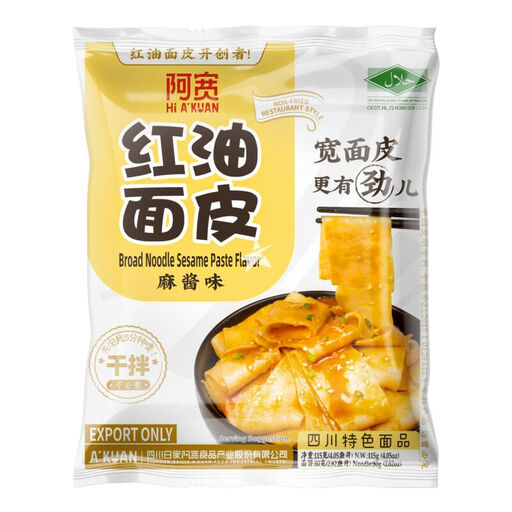
Why this fits the profile: A single-serving pack with wide noodles and separate flavour sachets is handy for busy weekdays or when you want to eat quickly.
The preparation time is stated: soak for 5 to 6 minutes in boiling water. The sauce and oil can be added separately to taste.
115 g per pack; wide wheat noodles, sesame paste, chilli oil, vinegar and toppings in separate sachets.
We’ve put together a full, up-to-date list of products that fully meet these strict selection criteria and comply with current European safety regulations.
For soup, firm wheat noodles, Lanzhou noodles and hand-cut noodles are practical choices. Wide noodles absorb more broth and sauce. Check the cooking time and only rinse the noodles if the recipe calls for it.
Store dried noodles in a cool, dry place away from direct sunlight. Seal the packet well or use an airtight container. Always check the packet for the best-before date and specific storage instructions.
Not always. Some instant noodles still need to be soaked or boiled for 4 to 6 minutes. Other varieties are already pre-cooked and are mixed straight away with sauce. So before you buy, check whether the product says “ready to eat”, “cooking required” or a similar preparation instruction.
