
Livraison le jour même et le lendemain

Qualité garantie

Débloquez vos offres de bienvenue: Livraison GRATUITE | Jusqu'à -80 % | 30 jours d'essai gratuits à JoyPlus
Téléchargez l'application
Buying Chinese noodles seems straightforward, until you have to choose between wide noodles, rice vermicelli, glass noodles, instant noodles and dried Chinese noodles. The packaging often boasts words like “authentic”, “traditional” or “extra spicy”, but those terms don’t always tell you enough about the preparation, texture or portion size.
With this buying guide, you can compare the key features and discover which Asian noodles suit your kitchen: from a quick lunch to stir-fries, noodle soup and spicy Sichuan dishes.
A family bag of 750 g, 1.8 kg or 2 kg can be practical, but only if you use noodles regularly. So check:
For a household that eats noodles occasionally, portion packs or bags of 200 to 460 g are often easier to manage. Heavy users, on the other hand, can benefit from a larger pack of dried noodles.
Some Chinese instant noodles are ready in a few minutes after adding boiling water. Other products need to be soaked, boiled or heated in the microwave first. A product like a ready-to-eat cold noodle meal only needs to be mixed with the sauce and toppings, whereas dried noodles still need to be cooked in a pan.
So always read the preparation instructions. Also look out for the difference between:
With spicy noodles, the oil, vinegar and seasoning sachets determine a large part of the flavour. The amount of salt, oil and flavourings can therefore be higher than you might expect from the noodles alone. Check the nutritional values per 100 g and see whether these include all the seasoning sachets.
For allergies, pay particular attention to wheat, gluten, soya, sesame, peanuts, mustard and egg. Always use the label on the packaging for the most up-to-date information.
The main ingredient determines how the noodle behaves in a dish:
Don’t just look at the name. Check the ingredients list and the shape. A product with 15% buckwheat flour is different from a noodle that is mainly made from buckwheat.
For busy weekdays, instant noodles are handy, but the preparation time and method vary:
A short preparation time is practical, but it doesn’t tell you anything about suitability for a particular dish. For stir-frying, for example, you want a noodle that stays firm after cooking.
Check whether the weight refers only to the noodles or also includes the sauce, oil and toppings. A pack of 460 g with four portions is different from a bag of 460 g that contains one large meal.
For a store cupboard, 750 g to 2 kg of dried noodles is a good option. For variety, multi-packs with individual portions are more practical. Also pay attention to the nutritional values, ingredients, allergens and storage instructions.
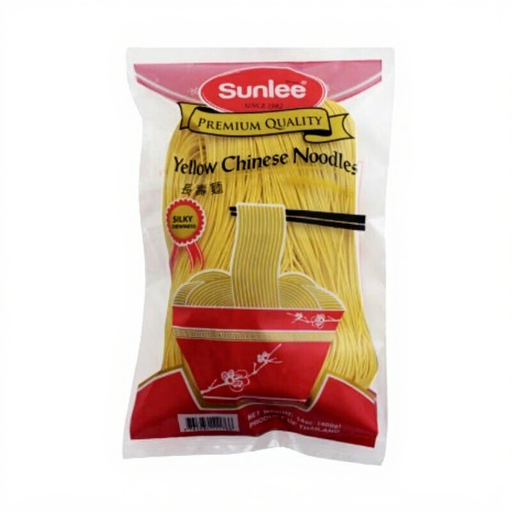
Why this fits the profile: These basic noodles are suitable for soup and stir-fries. The product description states a preparation time of 2 to 4 minutes and a 400 g pack.
The preparation method and ingredients are clearly stated, without separate seasoning sachets that heavily influence the flavour or nutritional value.
Simple base of wheat flour, water, salt and turmeric; suitable for multiple dishes.
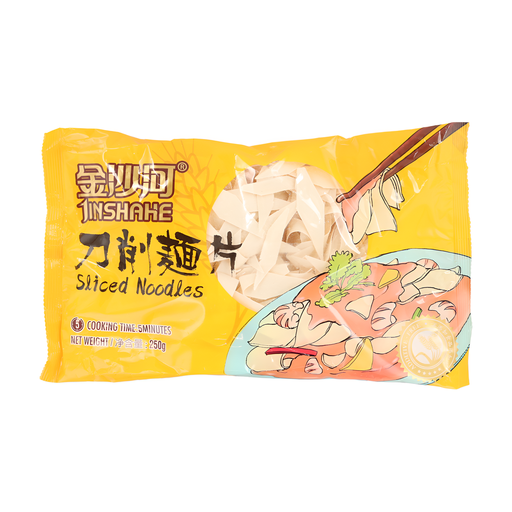
Why this fits the profile: The wide, ribbon-like hand-cut noodles are designed for soup, stir-fries and sauces that cling to the surface.
The product information states the shape, ingredients and cooking time of 5 to 7 minutes, so you don’t have to rely solely on marketing terms.
Wide shape; wheat flour, water and salt as main ingredients; suitable for various preparations.
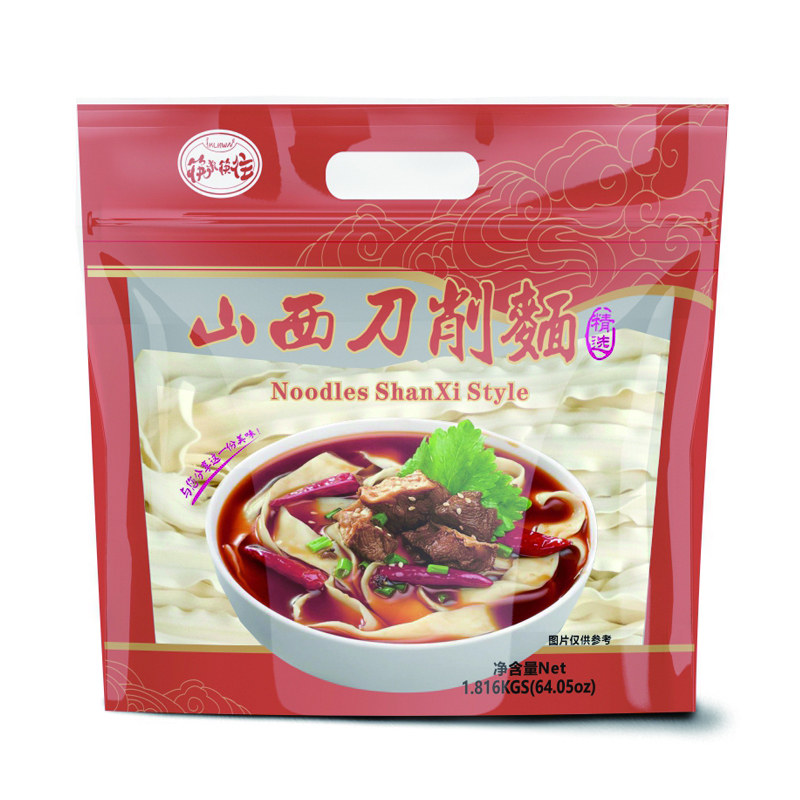
Why this fits the profile: The 1.816 kg pack is aimed at households that cook noodles often, meal prep or serve multiple people.
The product description states specific dimensions, a cooking time of around 5 minutes and a dry storage method.
Large bulk pack; wide square noodles; suitable for soup, stir-frying, cold noodles and hotpot.
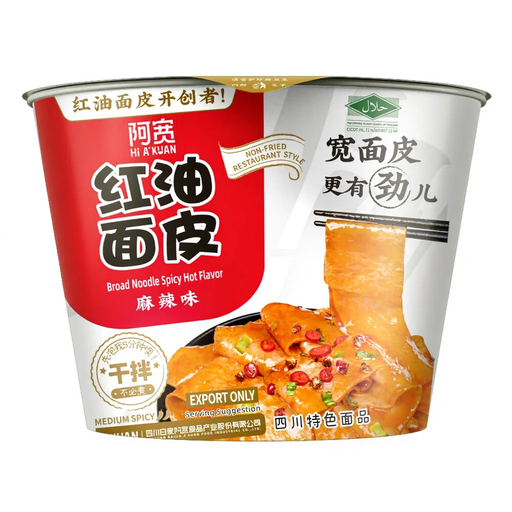
Why this fits the profile: This 110 g portion combines wide, thin wheat noodles with chilli oil, spices and vinegar. According to the product information, the noodles are soaked for 5 to 6 minutes.
The flavour components are packed separately, so you can control the amount of oil, spices and vinegar yourself.
Wide, elastic noodle shape; separate oil, powder, vinegar and vegetable sachets; 110 g portion pack.
We’ve put together a full, up-to-date list of products that fully meet these strict selection criteria and comply with current European safety regulations.
Choose a wheat noodle that stays firm after cooking, such as yellow Chinese noodles, wide dried noodles or hand-cut noodles. Cook them according to the pack instructions, rinse them briefly if needed, and then add them to a hot wok. Glass noodles can also be stir-fried, but usually need to be soaked first.
Store unopened noodles in a cool, dry place, away from direct sunlight and moisture. Seal an opened pack tightly. For large packs, it’s a good idea to keep the noodles in an airtight storage container. Always check the instructions on the label.
That depends on your diet and the product’s composition. Pay particular attention to the salt content, the amount of oil and the portion size. You can use the seasoning sachets partially, or add fresh vegetables, egg or other toppings. For allergies, always check the full ingredients and allergen information on the packaging.
