
当日/次日达

品质保障

开启新人专享福利: 全场免邮 | 低至 2 折 | 免费试用 30 天 JoyPlus 会员
下载 Joybuy
Chinese frozen food is a handy option for a quick meal, a hotpot evening or a table full of snacks. However, not every pack is right for your situation. If you rely solely on a photo, a discount or the word “authentic”, you could end up with a product that’s too small, tricky to prepare or unsuitable for an allergy.
In this guide to buying Chinese frozen food, you’ll focus on verifiable information: weight, ingredients, allergens, cooking instructions and storage temperature. That way, you can compare Chinese dumplings, frozen dumplings, baozi, Chinese sausage and other Asian frozen foods in a practical way.
A 600g bag might seem generous, but the number of dumplings and their individual size can vary. So don’t just check the net weight – also look at the portion size and when you plan to use them. For families, value packs are convenient; for a first try, a 300g or 400g pack may be enough.
Some products need to be boiled, others steamed or pan-fried. A xiao long bao also contains hot liquid after steaming. A product that’s simply labelled “quick to prepare” isn’t automatically suitable for the air fryer or microwave. Always check the instructions on the pack, and never eat a raw frozen product straight as a snack without heating it.
Terms like “traditional”, “handmade” or “generous filling” are only useful when the composition backs them up. Pay attention to the percentage of meat, vegetables or seafood. According to the product specification, the Freshasia Pork & Chinese Leaf Dumplings contain 30% pork and 15% cabbage. The Freshasia Xiao Long Bao lists 30% pork, alongside prawns, shiitake and water chestnut.
Brand information about taste or preparation quality should be read as a claim from the brand. According to Freshasia’s own product description, the Xiao Long Bao have a thin wrapper and a rich filling; you should always check the ingredients, allergens and cooking instructions yourself.
For dumplings, three details matter:
With pork dumplings, you can compare flavours based on the filling. According to the product specification, Pork & Chive contains 25% pork and 15% chives. The variant with shiitake and black fungus contains 23% pork, 5% black fungus and 3% shiitake. These are more concrete points of comparison than just a product name.
For a steamer basket, xiao long bao and baozi are logical choices. According to the instructions, the Freshasia Soup-Filled Xiao Long Bao with Pork Filling (300g) needs to be steamed from frozen for 8 to 10 minutes. The Siu Long Soup Bun with prawn and pork requires 10 to 12 minutes of steaming.
Dumplings are often more versatile:
Exact timings vary by product and appliance. Always follow the pack instructions, especially with larger dumplings or products containing meat and seafood.
Frozen products should generally be stored at -18 °C or colder. Don’t leave them out of the freezer for longer than necessary after delivery, and never refreeze thawed products.
Also check the allergens. Many Chinese dumplings contain wheat, soya and sesame. Xiao long bao may also contain prawns or crab. The Freshasia Pork, Shiitake Mushroom & Black Fungus Dumplings list wheat, soya, sesame and crustaceans. The ingredients on the pack are what matters, especially when cooking for someone with an allergy.
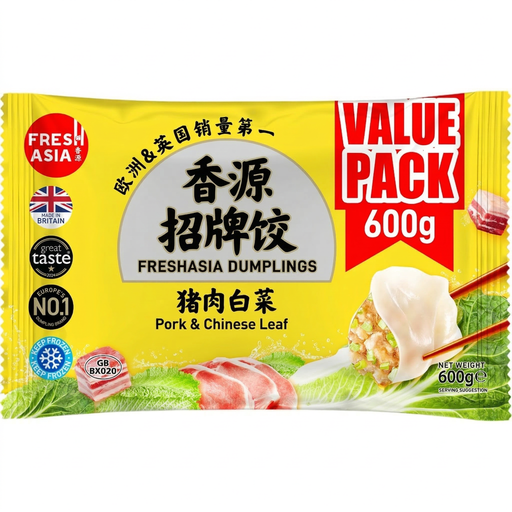
Why this fits: A practical pack for students, families and anyone making Chinese dumplings at home for the first time. Boiling, steaming and pan-frying are all possible.
The 600g net weight and stated filling percentages make comparison easier than relying on the product photo alone.
30% pork and 15% cabbage according to the product specification; cooking from frozen takes around 6 to 8 minutes.
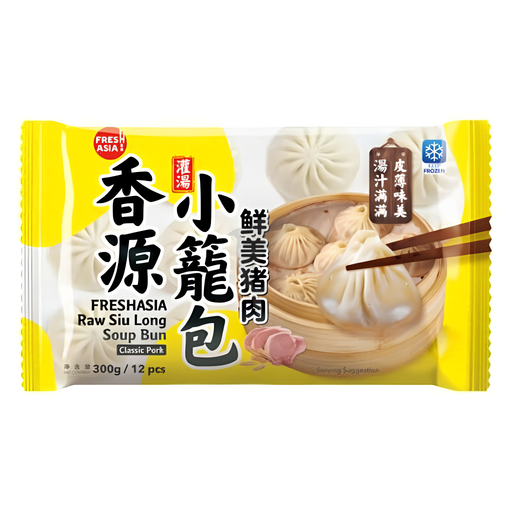
Why this fits: Ideal for serving a steamed speciality at home during a dinner party or Asian cooking night.
The cooking method is clear: steam from frozen for 8 to 10 minutes. This prevents you from using an unsuitable pan or microwave method.
300g per pack; the product specification lists pork, prawns, shiitake and water chestnut. Allow to cool gently after steaming.
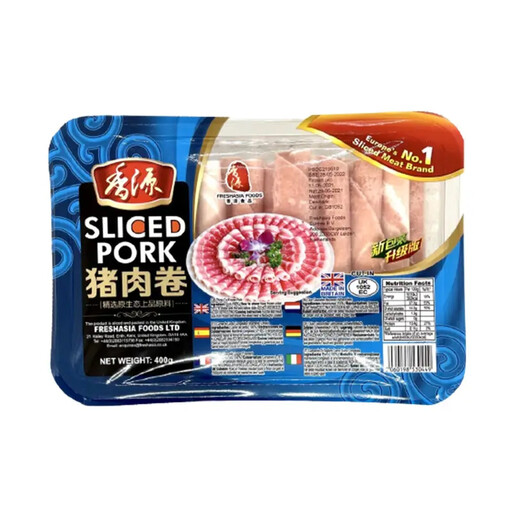
Why this fits: A useful ingredient for hotpot, noodle soup and stir-fry dishes when you’re serving several people.
The instructions describe specific use: 30 to 60 seconds in hot hotpot broth or a few minutes in a stir-fry.
400g of sliced pork product, designed to be added to broth from frozen. Ensure it’s cooked through thoroughly.
Browse a current selection of products and compare weight, ingredients, cooking method and storage information before you order.
For a simple meal, you can serve dumplings with soy sauce, black rice vinegar, spring onion and cucumber. For a hotpot, combine the Fresh ASIA Pork Roll with pork balls, vegetables, tofu and noodles. According to the product specification, the Freshasia Wanjiang Pork Ball (200g) is suitable for soup, hotpot and stir-frying, but must be fully heated through.
For a snack table, a small portion of dumplings, steamed baozi and Chinese meat snacks are practical. According to the product information, the Jie Chan Fang Braised Pork Trotters (170g) are ready to eat and should be kept chilled after opening. The Laweiju Chinese sausage (260g), on the other hand, still needs to be steamed or fried and should not be eaten raw.
Usually, you add them straight from frozen to boiling water or place them in a preheated steamer. Not thawing them prevents the dough from tearing more easily. Always check the specific time on the pack.
Store frozen products at -18 °C or colder until the stated best-before date. According to the product instructions, they should not be refrozen after thawing. Seal an opened pack tightly and use it as soon as possible.
Check the chilled or frozen delivery, the net weight, the origin, the ingredients and allergens. Also note the difference between ready-to-eat Chinese meat snacks and raw products that still need to be fully cooked.
