
Vandaag of morgen in huis

Kwaliteit gegarandeerd

Welkomstaanbiedingen ontgrendelen: GRATIS bezorging | Tot 80% korting | Gratis 30 dagen JoyPlus-proefperiode
Download de app
A jar of chilli powder might seem simple to pick, but the differences between products are significant. One pack contains 100% ground red chilli, while another is a blend with salt, oil, sesame or extra spices. Terms like "hot", "Korean" and "Sichuan" don't always tell you exactly how the product tastes or what you can use it for.
For home cooks, fans of Asian cuisines and professional kitchens, there are three main pitfalls to watch out for:
The ingredients list tells you exactly what you're buying. For pure chilli powder, look for a short declaration such as "100% chilli", "100% red pepper" or "100% dried red pepper". That way you know no salt, oil, sugar or extra flavourings have been added.
A spice blend, on the other hand, may contain sesame, oil, garlic, cumin, sugar or Sichuan pepper. That's not necessarily a bad thing, but the product will have a different purpose. For example, ChuanLaoHui Sesame Chilli Powder contains chilli, sesame and vegetable oil. It works well with noodles, dumplings and hotpot, but less so when you want to control only the heat of red pepper.
Also check for allergens. Products containing sesame must state this clearly. Some blended rubs may also mention traces of soya, mustard, celery or gluten. Always read the current label before use; product information online can change.
A fine grind mixes easily into sauces, marinades and soups. Coarser flakes give more texture and work well as a topping. The colour doesn't automatically tell you how hot the product is: a bright red powder can be mild, while a darker powder may taste smoky or very hot.
Be aware of the difference between gochugaru and ordinary cayenne or red pepper powder. Gochugaru is Korean chilli powder used for making kimchi, among other things. The exact grind and heat level can vary from product to product. So look at the product description and label rather than relying on the name alone.
Small packs of 26 to 35 grams are handy if you want to try a flavour first or only cook with heat occasionally. For everyday use, sizes from 100 to 500 grams are more practical. Catering kitchens and heavy users can look at packs of 454 grams or more.
Store chilli powder in a cool, dry, dark place, tightly sealed. Moisture causes clumps and can affect quality. Use a dry spoon and seal the pack immediately after use. A large bag is only good value if you use the powder within a reasonable time and can seal it properly.
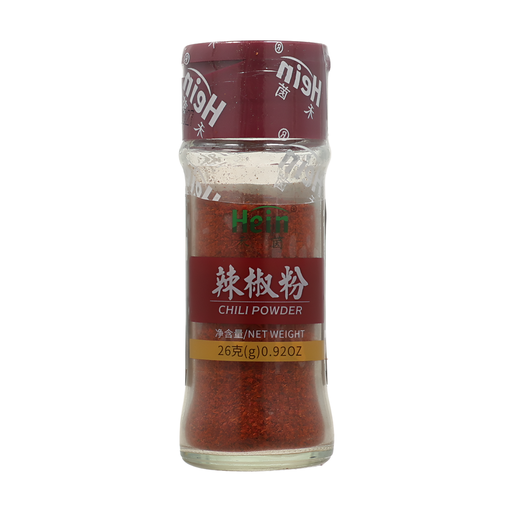
Why this fits the profile: A small pack is easy to manage for occasional chilli powder users who want to try a pure variety first.
The product information states 100% red chilli, with no added sugar or salt. Check the label on arrival.
26 g, 100% red chilli according to the product description, and easy to measure.
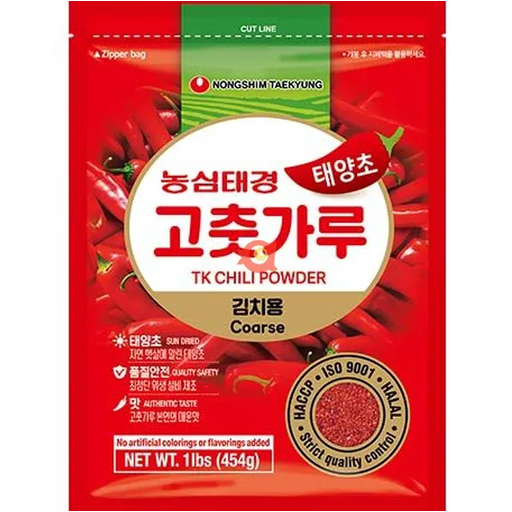
Why this fits the profile: This size suits fans of Korean dishes who regularly make kimchi, marinades, sauces or fried chicken.
The product description states it is suitable as a seasoning and colouring agent. The desired heat level still depends on the amount you use.
454 g, fine red pepper powder, suitable for sauces, marinades and Korean preparations.
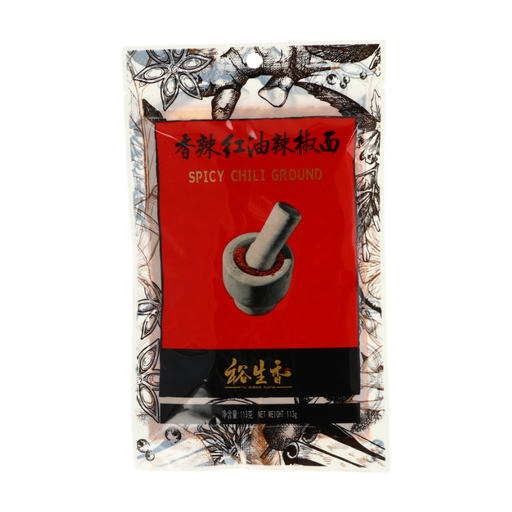
Why this fits the profile: Aimed at cooks who prepare chilli oil, hotpot dips, noodles and Sichuan or Hunan dishes.
The ingredients list states chilli, sesame, rapeseed oil and spices. So you are buying an aromatic blend, not a pure powder.
113 g, designed for chilli oil and dips, with sesame and several spices for extra aroma.
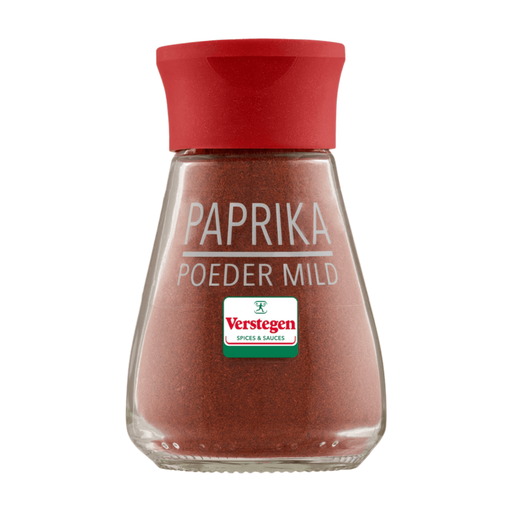
Why this fits the profile: A practical choice for anyone looking mainly for colour and a mild, sweet paprika flavour in fish, potato, egg or chicken dishes.
The product description states 100% paprika powder. It is therefore not a hot chilli powder; check the name before you order.
38 g, 100% paprika powder according to the product information, suitable for everyday cooking.
We've put together a full, up-to-date list of products that fully meet these strict selection criteria and comply with current European safety regulations.
Paprika powder is usually made from milder peppers and mainly adds colour and a gentle flavour. Chilli powder comes from hotter peppers and is intended to add heat. Always check the ingredients list: some chilli powders are pure, while others are spice blends.
For kimchi, Korean chilli powder, also known as gochugaru, is typically used. Choose a product that states it is for Korean dishes and pay attention to the grind. A fine variety mixes easily into the kimchi paste; a coarser variety gives more texture.
For chilli oil, aromatic Sichuan varieties or blends with sesame and spices are practical. Yusheng Fragrant Spicy Red Oil Chili Powder is described as being intended for chilli oil. If you want to control the flavour completely yourself, choose a product with only dried chilli and add oil and spices separately.
Store the pack tightly sealed in a dry, dark and cool place. Use a dry spoon and avoid moisture over the pan. Always check the best-before date and storage advice on the current packaging.
