
Vandaag of morgen in huis

Kwaliteit gegarandeerd

Welkomstaanbiedingen ontgrendelen: GRATIS bezorging | Tot 80% korting | Gratis 30 dagen JoyPlus-proefperiode
Download de app
Buying cat food seems simple enough – until you have to choose between wet cat food, dry cat food, kitten food, grain-free cat food and special formulas for neutered or senior cats. Packaging often emphasises flavour, appealing ingredients or claims about how the food works. Yet a striking front label doesn't always tell you enough about whether it's suitable for your cat.
1. Confusing a catchy flavour name with a high proportion of that ingredient
“With chicken” or “with fish” doesn't automatically mean chicken or fish is the main ingredient. Always check the composition. For example, some products state that the named meat makes up just 4% of the pieces, while the overall composition also contains grains, plant-based protein extracts and animal by-products.
2. Using a supplementary treat as a complete meal
Cat treats, lickable sticks and toppers are not necessarily complete cat food. INABA Churu Cat Tuna, for instance, is labelled as complementary pet food. According to the description, the product contains 91% moisture and is intended as a treat or addition, not as a daily main meal.
3. Buying a large multipack without first checking whether your cat will accept it
A cat food multipack can be good value, but your cat may refuse a particular texture or flavour. When trying a new formula, buy a smaller size first if available. A box of 44 or 60 portions is only practical once you know your cat will eat the food.
Look on the label for complete pet food. This means the product is intended as daily nutrition within the stated guidelines. Wet food in portion pouches, such as Whiskas Adult Wet Cat Food Tasty Mix in Sauce, is described as complete wet food for adult cats.
A complementary product, such as cat treats, should be given alongside a full meal. Keep an eye on the calories and adjust the daily amount of main food accordingly.
Choose cat food for the correct life stage:
A special formula does not replace veterinary advice for illness, persistent symptoms or a prescribed diet.
Dry cat food stays fresh longer after opening if you seal the bag properly and store it in a dry place. Wet cat food typically contains a lot of moisture and is often supplied in individual portions. Once opened, any leftovers should be kept refrigerated according to the label and usually used within 24 to 48 hours.
Pay attention to these points:
Brands may make additional claims about digestion, urinary tract health, coat condition or immunity. Don't treat such claims as established medical facts. View them as product information from the brand and focus primarily on the verifiable composition.
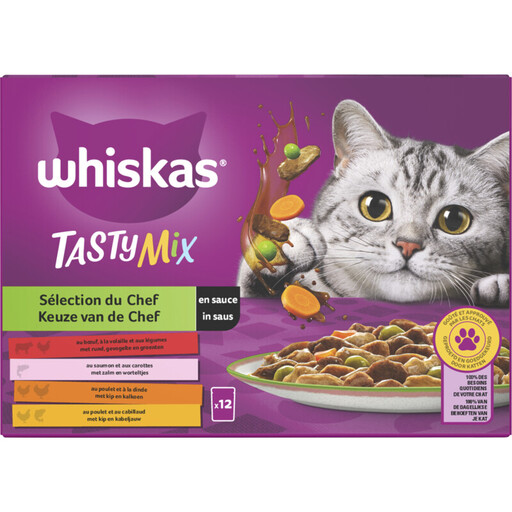
Why this fits the profile: A practical choice for anyone who wants to combine different flavours of wet food and serve them in individual portions.
The product information describes it as complete wet food and provides feeding guidelines per body weight. Just be sure to check which variant you open.
85g per pouch, multiple meat and fish varieties, and clear storage instructions after opening.
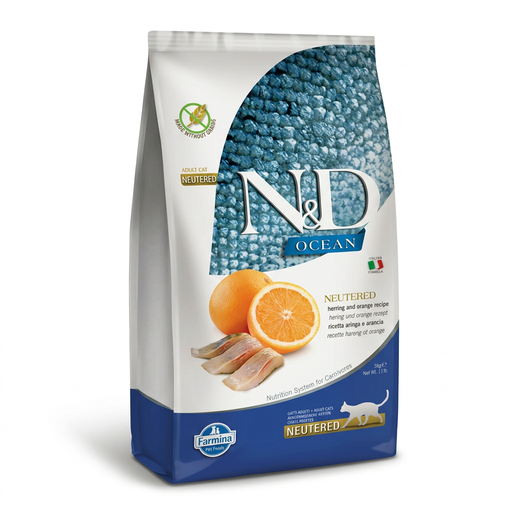
Why this fits the profile: For owners looking for a grain-free formula with fish as the main ingredient and a large bulk pack.
The composition lists herring and dehydrated herring protein with percentages. Fat, protein and moisture are also listed separately.
11% fat, 46% crude protein, grain-free composition and 5 kg content for daily dry feeding.
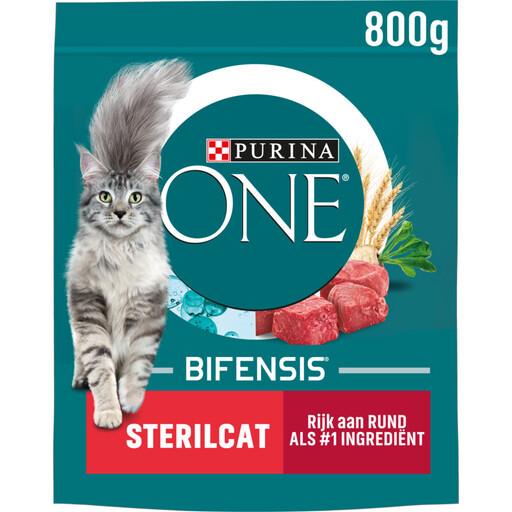
Why this fits the profile: Aimed at adult neutered or spayed cats where the owner wants to monitor portions and body condition closely.
The packaging lists separate amounts for neutered cats of different weights. This helps with controlled weighing.
800g dry food, 37% crude protein, 13% fat and a formula specifically offered for neutered adult cats.
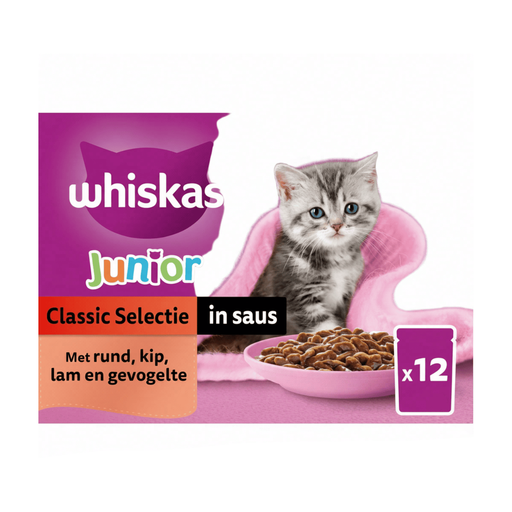
Why this fits the profile: Handy for kitten owners who want to prepare multiple portions of wet food and split the daily amount.
The product is described as complete food for kittens and includes a feeding guide by age stage.
12 pouches of 85g, four varieties and feeding guidelines for kittens from under 3 months up to 12 months.
We've put together a full, up-to-date list of products that fully meet these strict selection criteria and comply with current European safety regulations.
Choose a product labelled complete food for adult cats. Then consider your cat's weight, activity level and life stage. An indoor cat with little exercise may need a different portion size than an active outdoor cat. It's best to weigh dry food rather than relying on guesswork.
That depends on your cat's preference, the composition and your daily routine. Wet food typically contains a lot of moisture and is easy to serve in individual portions. Dry food is practical to store and weigh out. A combination can also work, as long as you monitor the total daily amount and follow the feeding guide.
Gradually mix the new food with the old over at least seven days. Increase the proportion of new food each day if your cat tolerates it well. Stop if you see persistent diarrhoea, vomiting or refusal to eat, and contact a vet if you're unsure. Always provide fresh drinking water and store opened food according to the instructions on the packaging.
