
Vandaag of morgen in huis

Kwaliteit gegarandeerd

Welkomstaanbiedingen ontgrendelen: GRATIS bezorging | Tot 80% korting | Gratis 30 dagen JoyPlus-proefperiode
Download de app
Buying cat food seems straightforward, until you have to choose between dry food, wet food, grain-free cat food, treats and multipacks. Packaging often emphasises words like “natural”, “premium” or “with fish”, yet those terms don’t always tell you whether the food suits your cat’s age, lifestyle and daily needs.
Pay particular attention to three common pitfalls:
First, choose a product that clearly matches your cat’s life stage. Kitten food is tailored to the growth phase, while cat food for adult cats has a different nutritional composition and feeding guideline. For kittens, it’s wise to look for the phrase “complete pet food” and the appropriate age range, for example from weaning up to twelve months.
Nutritional needs can also change after neutering. Cat food for neutered cats sometimes contains an adjusted energy density and a specific feeding guide. Always follow the amount on the packaging and adjust the portion according to weight, activity and body condition.
The label will state whether the product is complete or complementary pet food. Complete food is intended as a daily meal when given according to the guidelines. Complementary food, such as cat treats, soup or a topping, is an extra part of the menu.
Examples:
When giving treats, reduce the main food if necessary according to the feeding guide. This way, you prevent small extras from adding unnoticed calories.
With dry cat food, the moisture content is low and fresh drinking water must always be available. Wet food generally contains more moisture and is often chosen for cats that enjoy soft food. That doesn’t automatically make wet food suitable for every cat; acceptance, composition and the total daily portion remain decisive.
If you want to buy grain-free cat food, check whether grains are actually absent from the ingredients list. A grain-free formula isn’t automatically necessary for every cat. If you know your cat has allergies or persistent issues, consulting a vet is wiser than repeatedly switching between different types of food yourself.
Also pay attention to:

Why this suits the profile: A straightforward 800g pack is practical when you’re buying kitten food for the first time and want to see if your kitten accepts it.
The packaging states the target group: kittens from weaning up to twelve months. This prevents you from choosing adult cat food for a growing animal.
Complete food for kittens; 17% chicken and 13% whole wheat according to the stated composition; can be fed dry or with a little water.
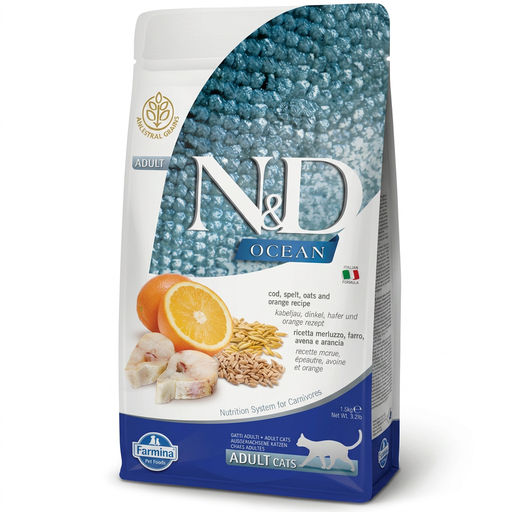
Why this suits the profile: Ideal for those who want to compare ingredients and nutritional additives carefully and are looking for a fish-based option for adult cats.
The composition lists fresh cod at 27% and dehydrated cod at 26%, alongside spelt and oats. This allows you to verify the marketing claim about fish against the percentages.
1.5kg pack; fish as a clearly stated protein source; contains taurine, vitamins and minerals among other ingredients according to the product information.
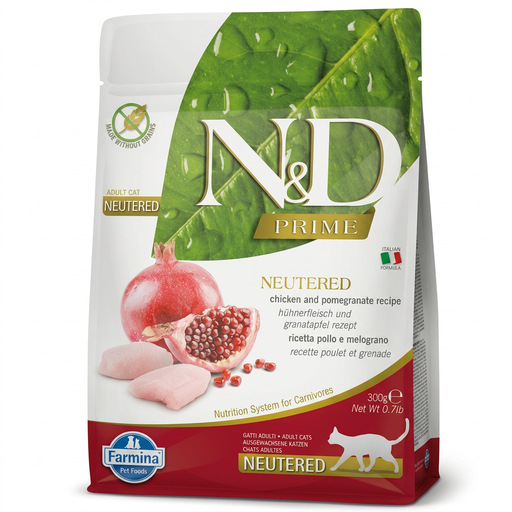
Why this suits the profile: A targeted choice for owners of neutered cats who actively want to tailor portions and composition to weight and activity.
The product information is specifically aimed at neutered cats and provides daily amounts per body weight. This helps with more accurate portioning than feeding by instinct.
Grain-free formula; 38% crude protein and 16% crude fat according to the stated analysis; 300g pack to assess acceptance first.
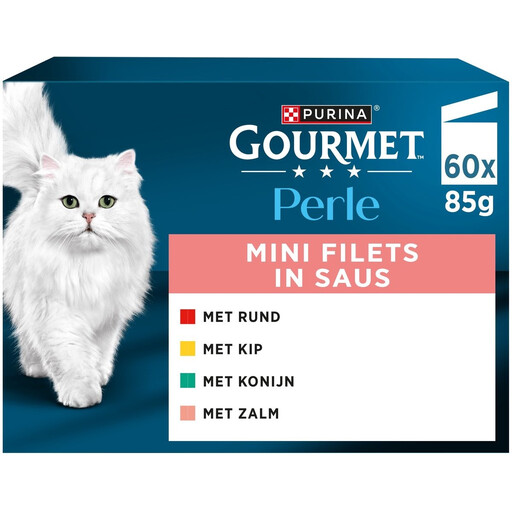
Why this suits the profile: A large cat food multipack suits households with an adult cat that enjoys different flavours and regularly receives wet food.
The multipack contains four varieties and 85g portions. This means you don’t have to store a large opened pack for as long, and you can alternate flavours.
60 portions of 85g; complete nutrition for adult cats; four stated flavours and no added artificial colours, preservatives or flavourings according to the product information.
Dry cat food is easy to portion and store. A 2kg or 3kg bag can be economical for daily use, but seal the pack well to preserve aroma and freshness. Examples include IAMS Adult Salmon 3kg, IAMS Adult Tuna 3kg and g’woon Adult Cat Bites with Fish 2kg.
Wet cat food is often chosen for its soft texture and moisture content. Store leftovers in the fridge according to the label and use them within the stated period. Gourmet Gold Mousse and g’woon Cat Pate Salmon are examples of portion packs for adult cats.
Cat treats are suitable for rewards or interaction, but should remain supplementary. Felix Deli Moments Salmon comes in 10g sachets; INABA Churu Cat Tuna contains 91% moisture according to the product information and is intended as a treat or topping. Give the recommended amount and adjust the main food if necessary.
We’ve put together a full, up-to-date list of products that fully meet these strict selection criteria and comply with current European safety regulations.
Generally, let a cat transition gradually. Over about five to seven days, mix a little more of the new food into the familiar food each day. Stop or slow down the transition if there are clear problems, and consult a vet if issues persist.
That depends on the brand, pack size, daily amount and energy content. Don’t just compare the price per tin or bag; calculate the cost per day based on the feeding guide. A multipack can reduce the price per portion, while a smaller pack is handy for limiting waste.
Always follow the label. Dry food should be stored in a cool, dry place and kept tightly sealed. Opened wet food should generally be covered and kept in the fridge. Some product information states use within 48 hours; for INABA Churu Cat Tuna, it’s a maximum of 24 hours after opening. Throw away food that smells different, has changed colour or has been out of the fridge for too long.
